current location : home

Fuel Cell Hydrogen Recirculation System​

The hydrogen supply system significantly impacts vehicle safety and operational lifespan.

The hydrogen recirculation system serves as a core component of the fuel cell engine's hydrogen supply system. Its primary function is to recirculate high-humidity gas from the anode outlet back to the stack inlet. This process not only enables the reuse of unreacted hydrogen but also humidifies the incoming hydrogen stream, eliminating the need for an external humidification system and thereby simplifying the fuel cell system architecture. Currently, the mainstream hydrogen recirculation pumps include Roots-type, claw-type, scroll-type, and vane-type, with vane-type pumps being relatively uncommon in domestic markets.

A high-performance hydrogen supply system must exhibit substantial hydrogen storage capacity, operational stability, and high safety standards to ensure extended driving range and durability of fuel cell vehicles. The onboard hydrogen supply system comprises pressure/flow regulation components, hydrogen leakage sensors, supply pipelines, control systems, and hydrogen recirculation systems (typically excluding the hydrogen storage vessel). The operational workflow consists of three phases: refueling, storage, and delivery.

1.Refueling: Hydrogen refueling stations deliver hydrogen to onboard storage tanks via check valves.

2.Storage: The tanks maintain high-purity (99.999%) hydrogen at 35 MPa or 70 MPa pressures. 

3.Delivery: During fuel cell operation, hydrogen passes through pressure-reducing/regulating valves to achieve operational pressure before entering the stack via electronically controlled valves, pressure sensors, flow meters, and humidifiers. Excess hydrogen either enters the recirculation system or undergoes treatment before atmospheric release.

​​Critical System Requirements:​​

1.Stable hydrogen supply enhances fuel cell durability​​:

Storage tank outlet pressure (35/70 MPa) substantially exceeds stack operational requirements.

Improper pressure regulation may cause irreversible proton exchange membrane damage, necessitating precision pressure control.

2.Intrinsic safety is mandatory​​:As a highly combustible gas, hydrogen systems require comprehensive monitoring of pressure, temperature, and flow parameters.

Implementation of safety components (e.g., sensors, relief valves) prevents leaks, overpressure, overheating, and flow anomalies.

​​Hydrogen Recirculation Device: Optimizing Utilization and Water Management​​

The hydrogen recirculation device significantly improves hydrogen utilization while addressing stack water management challenges, directly influencing fuel cell engine longevity. Standard practice involves extracting water generated during operation through gas-liquid separation, with recovered hydrogen reintroduced into the system. This process:

Provides inherent humidification via water vapor in recirculated gas

Increases anode flow velocity to prevent water accumulation ("flooding")

Enhances overall hydrogen utilization efficiency

​​Recirculation System Configurations:​​

Current implementations primarily utilize hydrogen recirculation pumps and ejectors, either individually or in combination:

1.Hydrogen Recirculation Pump​​:

Employs variable-frequency motor control for dynamic flow adjustment

Advantages: Enhanced hydrogen circulation flexibility across power ranges

Disadvantage: Additional electrical power consumption

2.Ejector​​:

Passive operation without auxiliary power requirements

Advantages: Simple construction, operational reliability, extended service life

Limitation: Fixed recirculation rate constrains effective operating range

...

How Do Hydrogen-Powered Bicycles Revolutionize Green Transportation?

Hydrogen-powered bicycles revolutionize green transportation through the following aspects:

1.Zero-Emission Environmental Performance

Hydrogen-powered bicycles use hydrogen as fuel, converting chemical energy into electricity through fuel cells, with pure water as the only byproduct, achieving true zero carbon emissions. Compared to traditional gasoline vehicles and electric bikes reliant on fossil-fuel-generated electricity, hydrogen bicycles have a lower carbon footprint throughout their lifecycle, making them ideal for urban areas with strict air quality requirements.

2.High Efficiency & Extended Range

Hydrogen fuel cells achieve over 60% energy conversion efficiency, far surpassing internal combustion engines. Certain models (e.g., France’s Alpha) boast a range exceeding 150 km, with refueling taking just 3 minutes, effectively addressing the "range anxiety" and "charging delays" common in electric bicycles—particularly suited for high-frequency, long-distance commuting.

3.Lightweight Design & Convenience

The vehicles utilize lightweight materials and structural designs, enhancing maneuverability and comfort. Modular hydrogen cartridges enable quick swaps, eliminating the need for battery charging and significantly improving user convenience.

4.Economic Potential

As the hydrogen industry matures and scales, costs for hydrogen production, storage, and transportation will decline. Future reductions in vehicle prices and refueling expenses are expected. Unlike grid-dependent electric bikes, hydrogen bicycles are unaffected by electricity price fluctuations, offering more predictable long-term costs.

5.Driving Industry Chain Synergy

Widespread adoption of hydrogen bicycles stimulates hydrogen refueling infrastructure development, creating stable demand for downstream stations and enabling upstream hydrogen producers to scale up, lowering overall costs. This "demand-growth-cost-reduction" cycle accelerates the maturity and adoption of the entire hydrogen industry chain.

6.Adaptability to Special Scenarios

Hydrogen fuel cells maintain stable performance even in low temperatures (e.g., -20°C), overcoming the severe capacity degradation of lithium batteries in cold climates. They also serve areas with limited grid coverage, such as remote islands, plateaus, and polar regions, expanding access to green mobility.

While challenges like higher component costs and limited infrastructure persist, hydrogen bicycles—supported by technological advances and policy incentives—are poised to become a key solution for "last-mile" travel, driving green transportation toward greater efficiency and sustainability.

...

Membrane Electrode Assembly (MEA) – The Core Component of AEM Electrolyzers

The membrane electrode assembly (MEA), as the core component of an anion exchange membrane (AEM) electrolyzer, governs the critical process of water electrolysis for hydrogen production, much like the heart drives blood circulation. It primarily consists of an anion exchange membrane (AEM), catalyst layers, and gas diffusion layers, each functioning in synergy to enable efficient and stable electrolysis.

In an AEM water electrolysis system, when a DC voltage is applied across the electrodes, the "heart" begins its vigorous "beating." Water flows into the inlet, and at the cathode catalyst, water molecules gain electrons through the hydrogen evolution reaction (HER), releasing hydrogen gas while generating hydroxide ions (OH⁻). The anion exchange membrane, acting like a heart valve, precisely directs these hydroxide ions from the cathode to the anode. Upon reaching the anode, the hydroxide ions undergo the oxygen evolution reaction (OER) at the anode catalyst, producing oxygen. In this way, the MEA efficiently decomposes water into pure hydrogen and oxygen through controlled ion transport—a clean, pollution-free process akin to a finely orchestrated energy "symphony."

The Powerful Advantages of the AEM Electrolyzer "Heart"​​

1. Significant Cost Advantages​​

Compared to proton exchange membrane (PEM) electrolysis, AEM water electrolysis MEAs do not rely on expensive precious metal catalysts such as iridium. Instead, they utilize low-cost transition metal catalysts, substantially reducing hydrogen production costs. Additionally, AEM electrolyzers have lower water quality requirements, operating effectively with dilute alkaline solutions, which simplifies liquid handling and reduces risks. The electrode materials are also more flexible, allowing the use of common materials such as nickel-plated stainless steel for bipolar plates, further cutting costs and making green hydrogen production more accessible.

2. High Efficiency and Environmental Sustainability​​

AEM MEAs exhibit excellent ion selectivity and conductivity, accelerating ion transport and significantly improving overall electrolysis efficiency. The entire hydrogen production process consumes only water as a feedstock, with hydrogen and oxygen as the sole byproducts, ensuring zero pollution. This positions AEM technology as a green pioneer in the global energy transition, contributing strongly to carbon neutrality goals.

3. Compatibility with Fluctuating Energy Sources​​

In response to the intermittent and variable nature of renewable energy sources such as solar and wind power, AEM electrolysis acts like an "intelligent heart," dynamically adjusting hydrogen production rates based on energy supply fluctuations. It efficiently integrates with unstable renewable power generation, converting excess electricity into storable hydrogen energy. This capability addresses the intermittency challenge of renewable energy, enabling effective energy storage and conversion.

...

The Application of Hydrogen Energy in Drones​​

Amid the rapid advancement of global technology, the low-altitude economy has emerged as a new economic form entering a phase of accelerated development. Drones, as one of its core enablers, are becoming a vital force driving industrial progress due to their flexible and diverse applications.


Traditional drones primarily rely on lithium batteries for power, facing limitations in endurance and payload capacity. The emergence of hydrogen energy has brought a breakthrough opportunity for drone performance. Currently, the global drone industry is transitioning from conventional lithium batteries to hydrogen-powered systems, reflecting a trend toward diversified energy sources.


Hydrogen fuel cell drones offer advantages such as zero emissions, extended flight times, and excellent low-temperature adaptability. They are widely applicable in power line inspections, emergency disaster relief, agricultural crop protection, emergency firefighting, high-altitude logistics, and emergency communications. In recent years, major global economies have accelerated the development of hydrogen energy, achieving breakthroughs in hydrogen production, storage, transportation, and infrastructure. These advancements have laid a solid foundation for hydrogen fuel cell drones. Currently, this technology is transitioning from conceptual exploration to market practice, moving from demonstration phases toward commercialization.


Technologically, the development of hydrogen fuel cell drones focuses on hydrogen fuel cell technology, energy management systems, flight control systems, airframe design and materials, and hydrogen storage and supply. Engineers are working to optimize the integration of fuel cells, hydrogen storage systems, motors, and control systems to ensure efficient coordination under various operating conditions. This enhances overall system efficiency and reliability while ensuring stable performance. Recent progress has led to continuous improvements in endurance, payload capacity, and extreme-environment adaptability.


In terms of applications, hydrogen fuel cell drones are being tested globally in civil-industrial fields such as geographic mapping, agricultural monitoring, infrastructure inspection, security surveillance, disaster response, and delivery logistics. Their use is also expanding into consumer and military applications.


The global low-altitude economy is developing rapidly, and hydrogen fuel cell drones are reshaping its ecosystem at an unprecedented pace. With the refinement of policies and standards, technological maturity, and cost reductions, hydrogen fuel cell drones are expected to become a key driver of low-altitude economic development in the future.


...

Why Are Air Compressors Core Components of Hydrogen Energy Systems?

Air compressors serve as core components of hydrogen energy systems, primarily reflected in the following aspects:

1.Supplying Critical Reaction Gases​​

Hydrogen fuel cell systems convert hydrogen and oxygen into electrical energy through electrochemical reactions, with oxygen being a key participant. Air compressors are responsible for compressing and delivering clean air to the cathode of the fuel cell stack, providing the necessary oxygen for the electrochemical reaction to ensure high efficiency. Insufficient or poor-quality oxygen supply can lead to reduced performance or even failure of the fuel cell.

2.Influencing System Efficiency and Power Density​​

The performance of the air compressor directly affects the overall efficiency and power density of the fuel cell system. High-efficiency compressors can deliver adequate oxygen with lower energy consumption, reducing parasitic power losses and thereby improving energy utilization efficiency. Meanwhile, by precisely controlling air flow and pressure, air compressors help enhance the power output of fuel cells, enabling the system to achieve higher energy density within a compact space.

3.Ensuring System Stability​​

Fuel cell systems require strict control of air parameters such as flow rate, pressure, temperature, and humidity. Air compressors must possess rapid response capabilities to adjust output in real time according to changes in system power demand. For example, during vehicle acceleration or deceleration, the compressor must quickly adapt the air supply to ensure stable fuel cell operation. Moreover, the reliability of the air compressor directly impacts the stability of the entire hydrogen energy system—any failure could lead to system shutdown.

4.Meeting Oil-Free and Cleanliness Requirements​​

Hydrogen fuel cells have extremely high requirements for air purity. Lubricating oil can contaminate the fuel cell stack, causing catalyst poisoning and severely impacting performance and lifespan. Therefore, air compressors must adopt oil-free designs, such as air bearings or water-lubricated bearings, to ensure the delivered air is pure and uncontaminated.

5.Promoting Industrialization of Hydrogen Energy​​

The miniaturization, low cost, and high reliability of air compressors are critical to the commercial application of hydrogen energy technology. With technological advancements, the widespread adoption of high-performance air compressors will help reduce the cost of fuel cell systems, enhance their competitiveness in applications such as vehicles and distributed power generation, and accelerate the scaled development of the hydrogen energy industry.

In summary, as a core component of hydrogen energy systems, air compressors not only provide essential conditions for electrochemical reactions but also significantly impact system efficiency, stability, cost, and industrialization progress. They are indispensable critical equipment for advancing hydrogen energy technology.

...

Why Hydrogen Storage Tanks Are Critical for Drones and Other Hydrogen-Powered Vehicles

Hydrogen storage tanks are essential for drones and other hydrogen-powered vehicles, primarily for the following reasons:


1. ​​Energy Storage and Endurance​​

High Energy Density: Hydrogen has a significantly higher energy density than traditional lithium batteries. Hydrogen storage tanks can store large amounts of hydrogen in a compact and lightweight form, substantially extending the operational range of drones and hydrogen-powered vehicles. For example, hydrogen-powered drones can achieve flight times of several hours, far surpassing those powered by lithium batteries.

Rapid Refueling: Compared to the lengthy charging process of lithium batteries, hydrogen refueling can be completed in minutes, greatly enhancing operational efficiency, particularly in scenarios requiring frequent missions.


2. ​​Environmental Adaptability​​

Superior Low-Temperature Performance: Hydrogen fuel cells maintain stable performance in low-temperature environments, whereas lithium batteries suffer from significant capacity degradation. Hydrogen storage tanks, combined with fuel cells, enable drones and hydrogen-powered vehicles to operate reliably in extreme conditions such as cold climates and high altitudes.

Strong Resistance to Interference: Hydrogen's stable chemical properties make it less susceptible to external factors (e.g., electromagnetic interference, vibrations), ensuring reliable energy supply.


3. ​​Safety and Stability​​

Multi-Layered Safety Design: Hydrogen storage tanks are constructed from high-strength materials (e.g., carbon fiber composites) and equipped with multiple safety mechanisms (e.g., pressure sensors, relief valves) to ensure safe hydrogen storage under high pressure. Even under extreme conditions, risks of leakage or explosion are effectively mitigated.

Real-Time Monitoring and Protection: Integrated sensors and intelligent control systems enable continuous monitoring of parameters such as pressure and temperature, providing timely warnings and corrective actions to ensure operational safety.


4. ​​Environmental Sustainability​​

Zero Emissions: The only byproduct of hydrogen fuel cells is water, aligning with global carbon neutrality goals and making them ideal for environmentally sensitive applications (e.g., monitoring in nature reserves or urban air quality assessments).

Clean Energy Production: Hydrogen can be produced via electrolysis powered by renewable energy (e.g., solar, wind), enabling a sustainable energy cycle and reducing reliance on fossil fuels.


5. ​​Technological Synergy and System Integration​​

Efficient Collaboration with Fuel Cells: As the "energy reservoir" for hydrogen, storage tanks work seamlessly with fuel cells to efficiently convert chemical energy into electricity, delivering stable power to drones and hydrogen-powered vehicles.

Modular Design: Hydrogen storage tanks can be flexibly integrated into various vehicle models, supporting rapid replacement and scalability to meet diverse mission requirements.


In summary, hydrogen storage tanks are not only a core component of hydrogen-powered systems but also a critical enabler for advancing clean energy technologies and achieving low-carbon transitions. Their importance will become increasingly prominent in the future energy revolution.

...

How to Mount Solar Panels Without Drilling Holes?

For many property owners, the idea of installing solar panels brings up an important concern: how to secure them without damaging the roof or other structures. Drilling holes can create long-term issues such as leaks, weakened roofing materials, or complicated repairs in the future. Fortunately, advances in solar technology and racking design have made it possible to mount solar panels securely without the need for drilling.

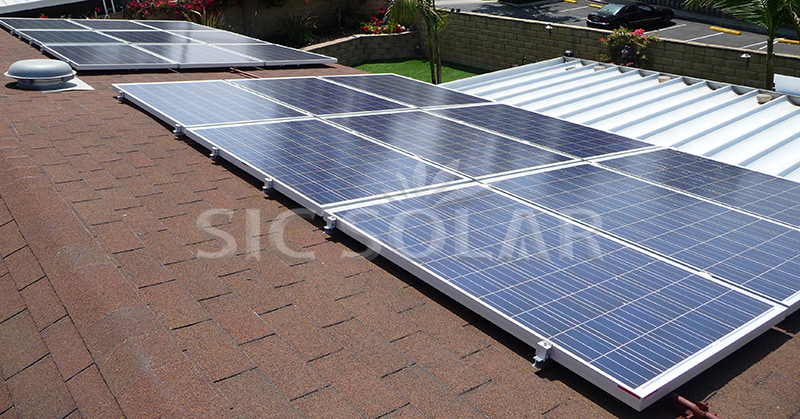
One of the most common alternatives is ballasted mounting systems, often used on flat roofs. Instead of penetrating the surface, these systems rely on weighted bases, typically made of concrete blocks, to keep the panels in place. The weight holds the racking steady against wind uplift and other forces while preserving the integrity of the roof. Ballasted systems are particularly popular for commercial buildings, where roof protection and speed of installation are top priorities.

Another solution is clamp-based systems, designed specifically for metal roofs. These use specialized clamps that grip the seams of standing seam metal roofs without drilling. By attaching directly to the seams, the panels are mounted securely while leaving the roof untouched. This method provides a leak-free and highly durable solution, especially in industrial or warehouse settings where standing seam roofs are common.

non penetrating solar panel mount

For residential applications, adjustable roof hooks and adhesive-based systems are sometimes used. While adhesives are less common for large installations, they can be effective in certain smaller projects, such as balcony or lightweight roof setups. The key is ensuring the adhesive or bonding method is weather-resistant and capable of withstanding long-term exposure to sun, wind, and rain.

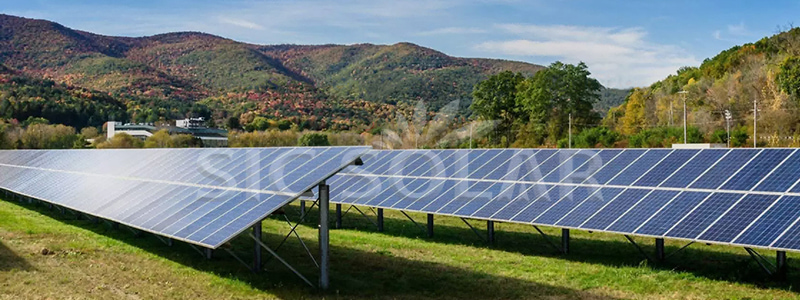
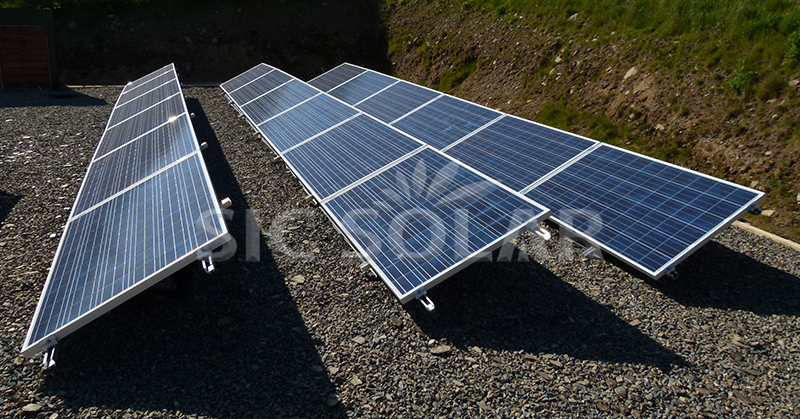
Ground-mounted systems also eliminate the need for drilling into roofs altogether. By installing panels on open land with pile-driven posts, concrete footings, or ballasted racks, property owners can generate clean energy without altering their rooftops. This option is ideal for homeowners or businesses with available land space and higher energy demands.

High-quality non-penetrating mounting solutions are designed with both durability and ease of installation in mind. Companies like SIC Solar, a manufacturer of photovoltaic mounting brackets, provide ballasted and clamp-based systems that allow solar panels to be installed securely without roof damage. Their products combine strength, weather resistance, and adaptability, making them suitable for a wide range of applications.

Mounting solar panels without drilling not only preserves the structure of the roof but also simplifies installation and maintenance. With the right racking system, property owners can enjoy the benefits of solar energy while keeping their building envelope intact and protected.

...

What Is a Solar Roof Clamp?

When it comes to solar installations, the mounting system is just as important as the panels themselves. One of the key components that ensures panels are safely secured is the solar roof clamp. Though small in size, these clamps play a critical role in keeping solar arrays stable, weather-resistant, and long-lasting. Without them, it would be impossible to maintain the structural integrity of most rooftop solar systems.

A solar roof clamp is a mechanical fastening device designed to attach solar panel rails or frames securely to a roof surface without causing unnecessary damage. They are particularly common in metal roof installations, where drilling holes is undesirable because it can compromise waterproofing. Instead, clamps grip onto the raised seams or edges of the roof panels, providing a strong anchor point for the racking system while preserving the integrity of the roof.

There are different types of solar roof clamps depending on the application. Standing seam clamps are designed for roofs with raised seams, gripping tightly without penetration. Corrugated or trapezoidal clamps are shaped to match the contours of wavy metal roofs, ensuring a secure fit. These variations allow installers to match the right clamp type with the specific roof profile, ensuring both safety and durability.

customized tin roof solar panel clamp

The advantages of solar roof clamps are significant. First, they enable non-penetrating installation, which reduces the risk of leaks or structural damage. Second, they make the installation process faster and simpler, since no additional sealing or waterproofing is required. Third, they provide long-term durability, as clamps are typically made from stainless steel or aluminum, materials that resist corrosion and can withstand harsh environmental conditions.

In addition to securing solar panels, clamps also help maintain aesthetic appeal. Since they attach neatly to existing roof features, they allow solar systems to blend seamlessly with the building structure. This makes them especially attractive for commercial and industrial projects where appearance and roof protection are top priorities.

Companies like SIC Solar, a manufacturer of photovoltaic mounting brackets, produce a range of high-quality solar roof clamps designed for different roof types. Their products are engineered to provide maximum strength while keeping installation efficient and non-invasive. With solutions tailored for standing seam and trapezoidal profiles, SIC Solar ensures that panels remain securely mounted through years of exposure to wind, rain, and sun.

In essence, a solar roof clamp may be a small component, but it holds immense importance in the overall success of a rooftop solar project. By allowing secure, leak-free, and durable installations, these clamps make it possible to harness solar energy without compromising the structure beneath.

...

What Is Recommended for a Solar PV Mounting Structure?

When planning a solar PV installation, one of the most critical components to consider is the mounting structure. While solar panels capture the sun’s energy, the mounting system is what keeps them safely and efficiently positioned for decades. Choosing the right structure ensures not only long-term performance but also protection against environmental challenges. So, what exactly is recommended when selecting a solar PV mounting structure?

The first recommendation is material quality. Mounting systems are constantly exposed to wind, rain, and temperature fluctuations. For this reason, materials such as high-grade aluminum and stainless steel are widely preferred. These metals resist corrosion, provide durability, and maintain their strength over time. A well-built mounting system minimizes maintenance and extends the lifespan of the entire solar installation.

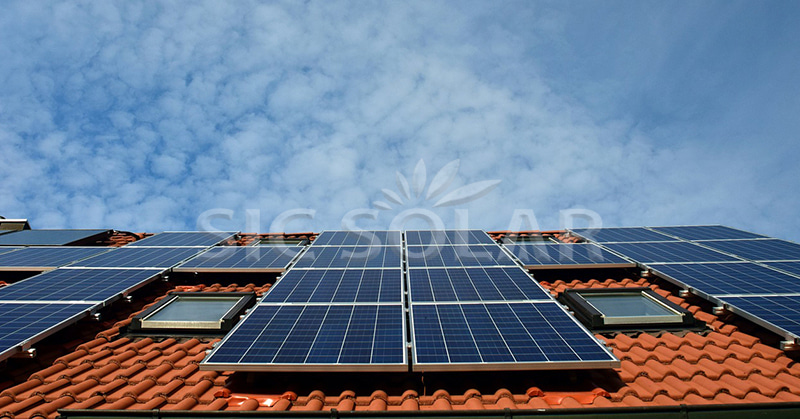
The second factor is design compatibility with the roof or ground type. Not every project is the same—some are mounted on sloped tile roofs, while others may be installed on flat roofs or directly on the ground. Each scenario requires a tailored solution. For example, tile roofs need specialized hooks to avoid damaging tiles, while flat roofs often rely on ballast systems that do not penetrate the roof surface. Ground-mounted systems, on the other hand, demand heavy-duty frames that can withstand soil conditions and wind loads.

roof mounted solar pv

Ease of installation is another important recommendation. A mounting system should be designed for quick assembly with minimal tools, reducing labor costs and installation time. Pre-assembled components, sliding nuts, and adjustable clamps simplify the process, making the installation more efficient. Companies like SIC Solar, which specializes in manufacturing and selling photovoltaic mounting brackets, offer systems designed to streamline installation without compromising strength or safety.

Structural stability and safety are also key considerations. A reliable mounting system must comply with local building codes and international standards, ensuring it can endure high wind speeds, snow loads, and even seismic activity where relevant. Safety is not only about protecting the equipment but also about safeguarding people working around the system.

Another recommendation is to consider scalability and flexibility. As solar technology advances, system owners may want to expand or modify their installations. A flexible mounting structure allows for adjustments, additional panels, or changes in configuration without needing to replace the entire system.

Finally, attention should be given to grounding and electrical bonding. Mounting systems often serve as a path for grounding to enhance system safety. Using the correct grounding washers, bonding jumpers, and accessories ensures compliance with safety standards and reduces risks of electrical faults.

Selecting the right solar PV mounting structure is not just about holding panels in place—it is about ensuring long-term reliability, safety, and performance. With expertise from manufacturers such as SIC Solar, project owners can choose systems that meet these recommendations while aligning with the unique requirements of their installations.

...

What Is the Meaning of Agri Solar?

The growing demand for renewable energy has led to innovative solutions that combine sustainability with land optimization. One of the most promising developments in this field is agri solar, also known as agrivoltaics. But what exactly does this term mean, and why is it becoming an important concept for the future of both energy and agriculture?

solar farm agriculture

Agri solar refers to the dual use of land for both solar energy production and agricultural activities. Instead of choosing between farmland and solar farms, agrivoltaic systems allow crops and solar panels to coexist on the same piece of land. This approach not only helps generate clean electricity but also supports food production, creating a balance between renewable energy development and agricultural sustainability.

In practice, agri solar systems typically involve installing solar panels on raised structures that allow sufficient sunlight and airflow to reach the crops below. The panels may be fixed at a certain tilt or designed with adjustable angles to optimize light distribution. Farmers can continue cultivating vegetables, fruits, or even raising livestock beneath the solar arrays, while the panels generate electricity that can be used on-site or sold back to the grid.

One of the main benefits of agri solar is efficient land use. In many regions, farmland is limited and valuable, so dedicating large areas exclusively to solar farms is often met with resistance. By combining both functions, agrivoltaics reduces competition for land resources. Additionally, the partial shading from solar panels can help protect crops from excessive heat, reduce water evaporation, and create a more favorable microclimate for certain plants.

Another advantage lies in the economic opportunities. Farmers can diversify their income by generating electricity in addition to growing crops. This dual-income model increases resilience against market fluctuations or poor harvests. Communities also benefit from localized clean energy, contributing to energy independence and reduced carbon emissions.

The success of agri solar depends heavily on the design and quality of mounting systems. Solar structures must be strong enough to withstand environmental conditions while elevated to provide space for agricultural activities. Companies like SIC Solar, a manufacturer specializing in photovoltaic mounting brackets, contribute to this sector by providing durable, adaptable solutions that meet the unique requirements of agrivoltaic projects.

As the world seeks sustainable solutions to address climate change and food security challenges, agri solar presents a powerful synergy between two essential needs: renewable energy and agriculture. It demonstrates how innovation in solar mounting systems and careful land management can create a future where clean power and productive farmland thrive together.

...