For a long time, the durability of electric vehicle batteries has been a key topic for users. Many users have this question, which is how to make the vehicle run more than ten kilometers? Actually, in my opinion, only these four points need to be achieved to maximize the vehicle's range.
1. Try to control the remaining battery level to 30% to 50% for charging, and do not use it all up
Firstly, the first point is not to recharge the vehicle's battery every time you ride, as doing so for a long time can damage the battery and affect its durability. The correct approach is to try to control the remaining battery power to 30% to 50% for charging, which is more conducive to protecting the battery and extending its service life.
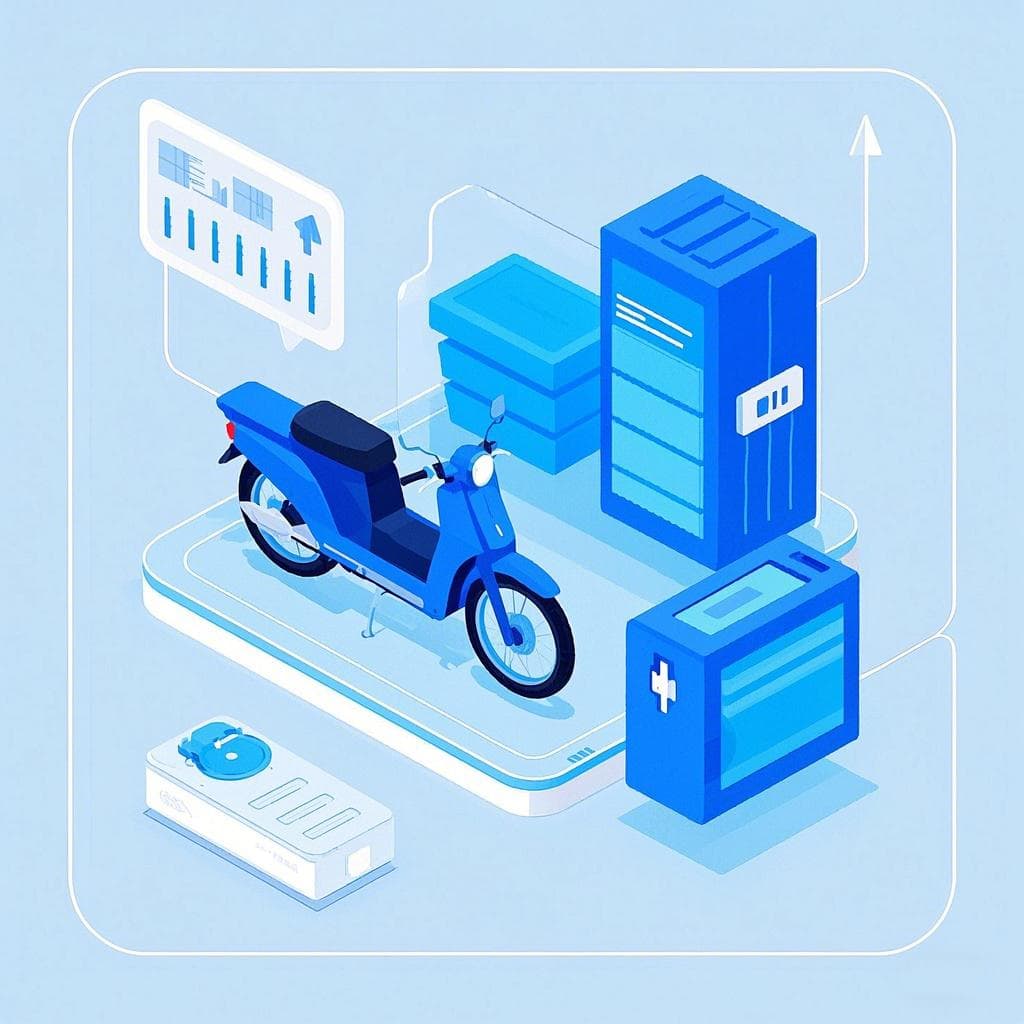
2. Try to maintain low-speed driving as much as possible
Secondly, for electric vehicles, many vehicles have three gears, and although the low gear is slower, it runs the most energy-efficient and has the longest range.
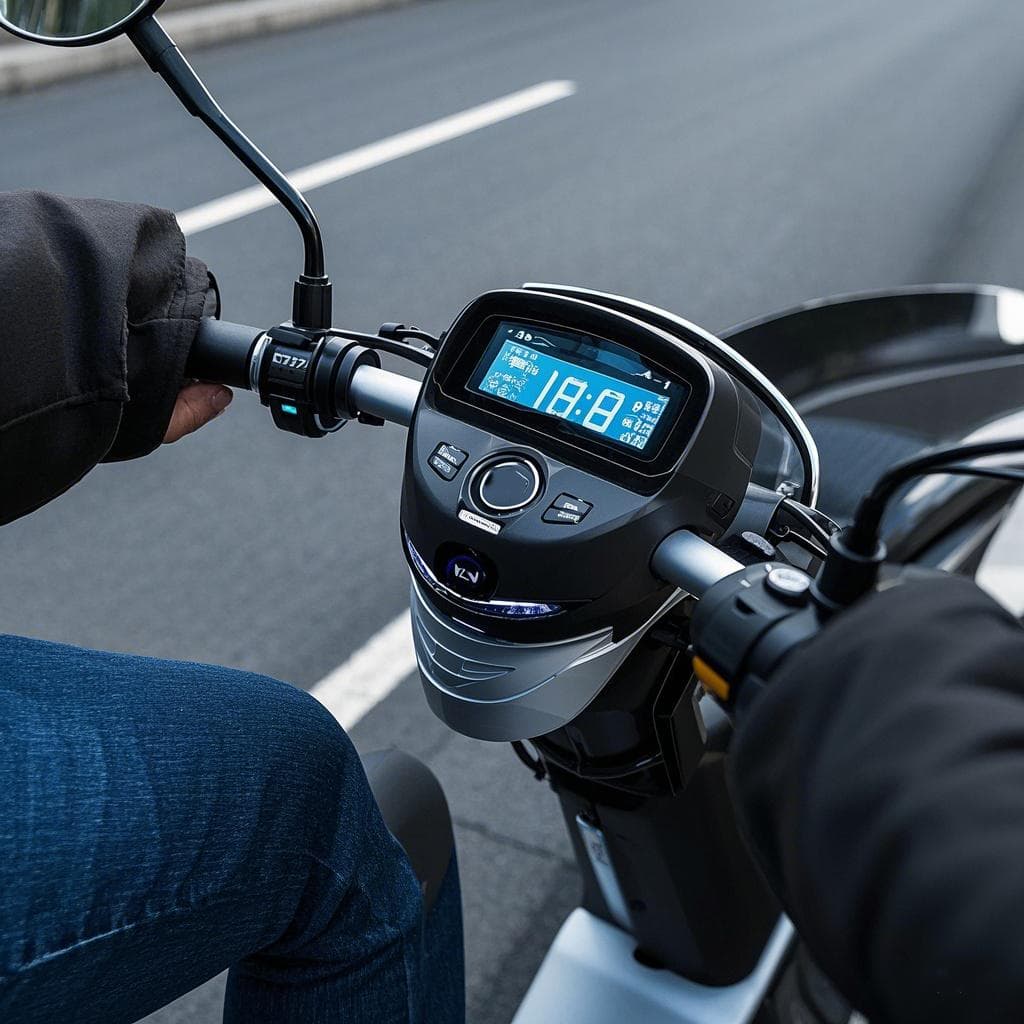
3. Maintain reasonable tire pressure
In addition, tire pressure can also affect the vehicle's range. For ordinary vehicles, if the tire pressure is insufficient, the resistance during driving will increase and the range will be shortened. Therefore, maintaining a reasonable tire pressure can minimize driving resistance and ensure a longer range of the vehicle.

4. Do not mix inferior chargers for charging
Finally, it is important not to mix chargers for charging, as mixing inferior chargers not only poses safety risks, but also results in insufficient or insufficient charging, and in severe cases, may even damage the battery. Therefore, not mixing inferior chargers for charging, and using dedicated chargers for vehicles, is beneficial for protecting the battery and extending its range.
In short, electric vehicle batteries are not durable. Under normal and fault free conditions, the above four methods can be tried. Generally speaking, they are beneficial for extending the range of electric vehicles, and it is also possible to run more than ten kilometers. However, it should be noted that choosing high-quality batteries is also necessary.
Jubao New Energy always adheres to the corporate philosophy of "technology empowers the future, quality forges excellence", and is committed to creating top-notch solutions in the field of new energy for you. We rely on our industry-leading R&D team and provide you with a full industry chain product matrix covering photovoltaic energy storage systems, intelligent charging equipment, and core components of new energy vehicles through ISO 9001 quality management system and multiple international certifications such as CE and UL. Each product undergoes 21 precision testing processes, using nano coating technology and AI intelligent control system, and exceeds industry standards by more than 15% in key indicators such as conversion efficiency, service life, and safety performance. We have also launched a full cycle butler service, from customized solution design in the early stage to intelligent operation and maintenance management in the later stage, with an average annual customer satisfaction rate of 98.7%, continuously creating green energy value for customers in more than 50 countries and regions around the world
...
 Power Supply Issue: Check if the main power outlet is on and ensure the power supply is working.
 Charging Contact Issue: Make sure the stair lift is parked at the charging point. Check if the charging strip is clean and undamaged.
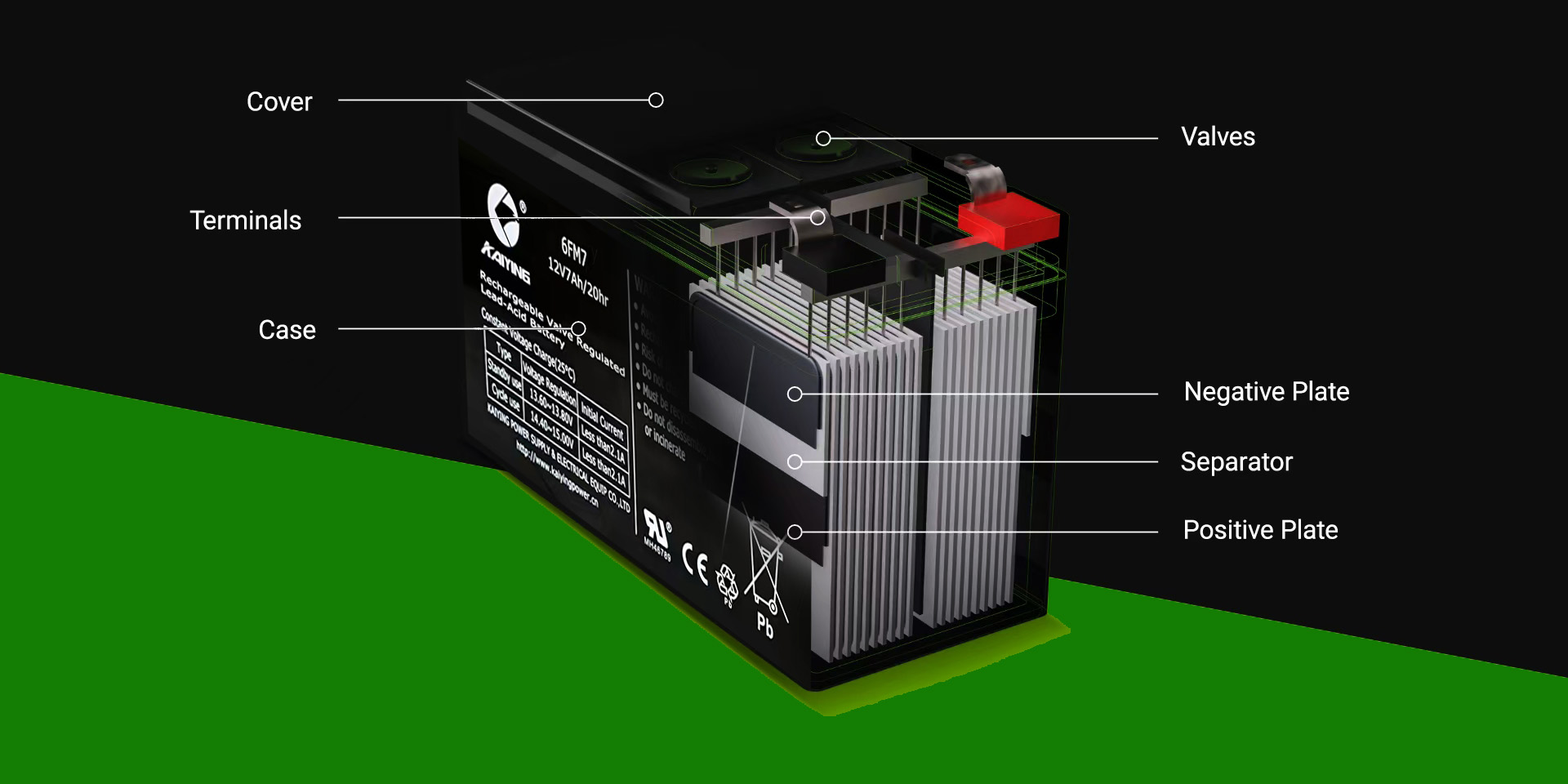
 Medical Equipment: Used in 65% of fixed UPS systems (e.g., ventilator backups) due to deep-discharge resilience (92% capacity retention at 80% DOD) and minimal maintenance.
  Security Systems: Dominate fire alarms and access control units, withstanding high temperatures (30% longer lifespan at 45°C) and offering rapid global delivery (72-hour turnaround).
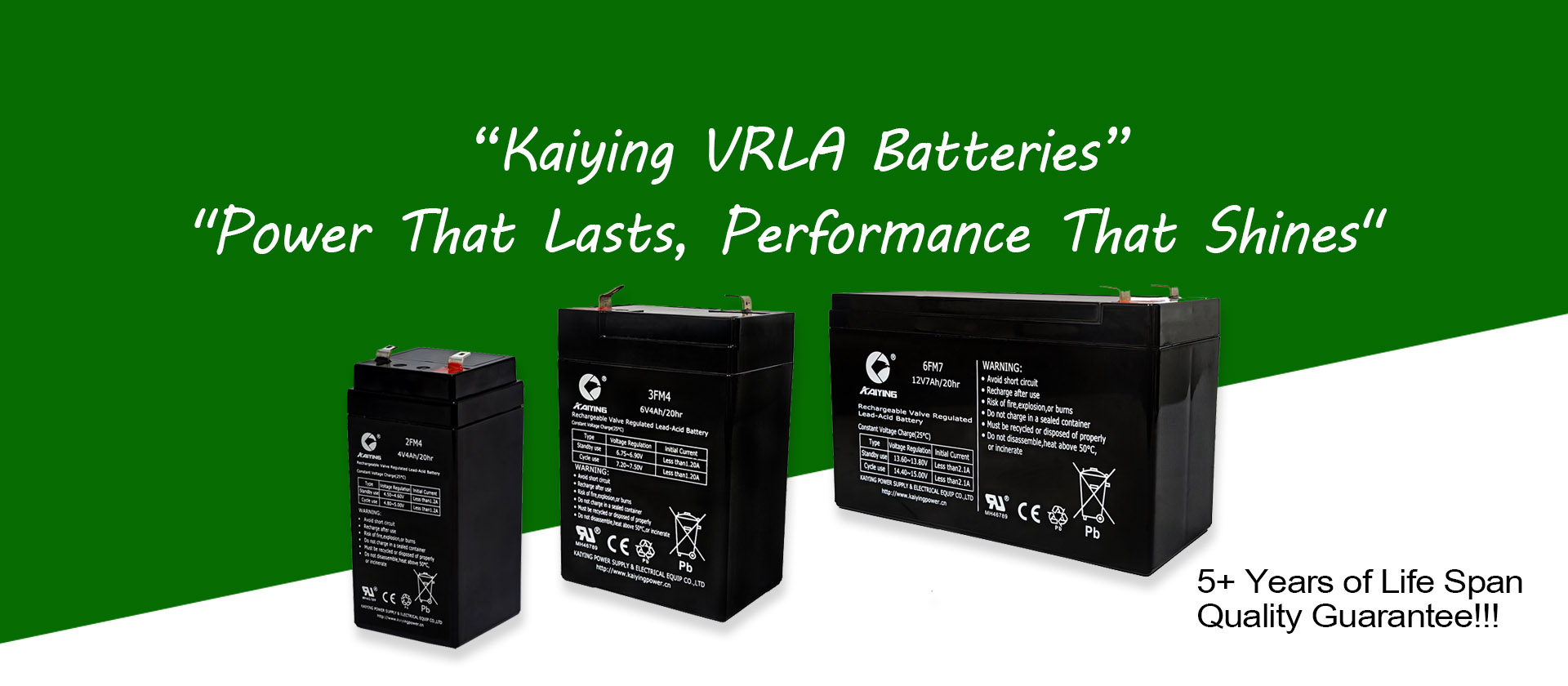
  Kids’ Ride-On Cars: Hold 90% market share with low cost (<$7 per 12V7AH unit) and plug-and-play compatibility.
  Data Centers: AI-driven power demands favor lithium-ion BBUs (Backup Battery Units). NVIDIA’s GB300 servers now use lithium cells, with global BBU demand hitting 220 million units by 2025—60% driven by cloud giants like Microsoft and Google.
  Portable Medical Devices: Handheld ultrasound tools adopt 18650 lithium cells, cutting weight by 30% while meeting UL 1642 safety standards.
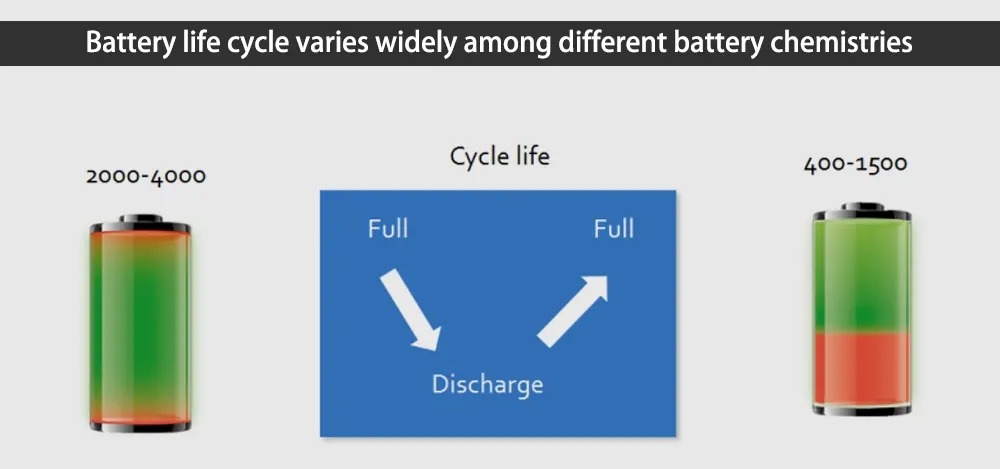
  Smart Security Cameras: Lithium batteries power wireless cameras, offering 2,000+ cycles (vs. 350 cycles for lead-acid) and cold-weather performance (-30°C operation).
  Southeast Asia: Frequent blackouts (>120 hours/year) keep lead-acid dominant (78% share), but India and Indonesia impose 15% tariffs to protect local producers.
  Europe & North America: Lithium penetration exceeds 60%, driven by EU’s CE certification (phasing out 30% of low-quality products) and Germany’s 5,000-cycle lifespan mandate for energy storage.
  China: Lead-acid demand grows 25% annually in western data centers (“East Data West Computing” project), while new energy policies push lithium adoption.
  Lead-Acid Costs: High lead prices (~$2,450/ton) favor companies with in-house smelting (e.g., Yuguang Gold Lead), while smaller recyclers struggle.
  Lithium Tech Race: Samsung SDI’s “all-pole ear” cells boost power density by 15%, and Chinese firms like Tianneng Energy supply Microsoft/NVIDIA in non-U.S. markets.
  Regulatory Hurdles: EU’s RoHS 2.0 rules (lead content ≤0.1%) force lead-acid makers to upgrade recycling tech (e.g., silver paste recovery).
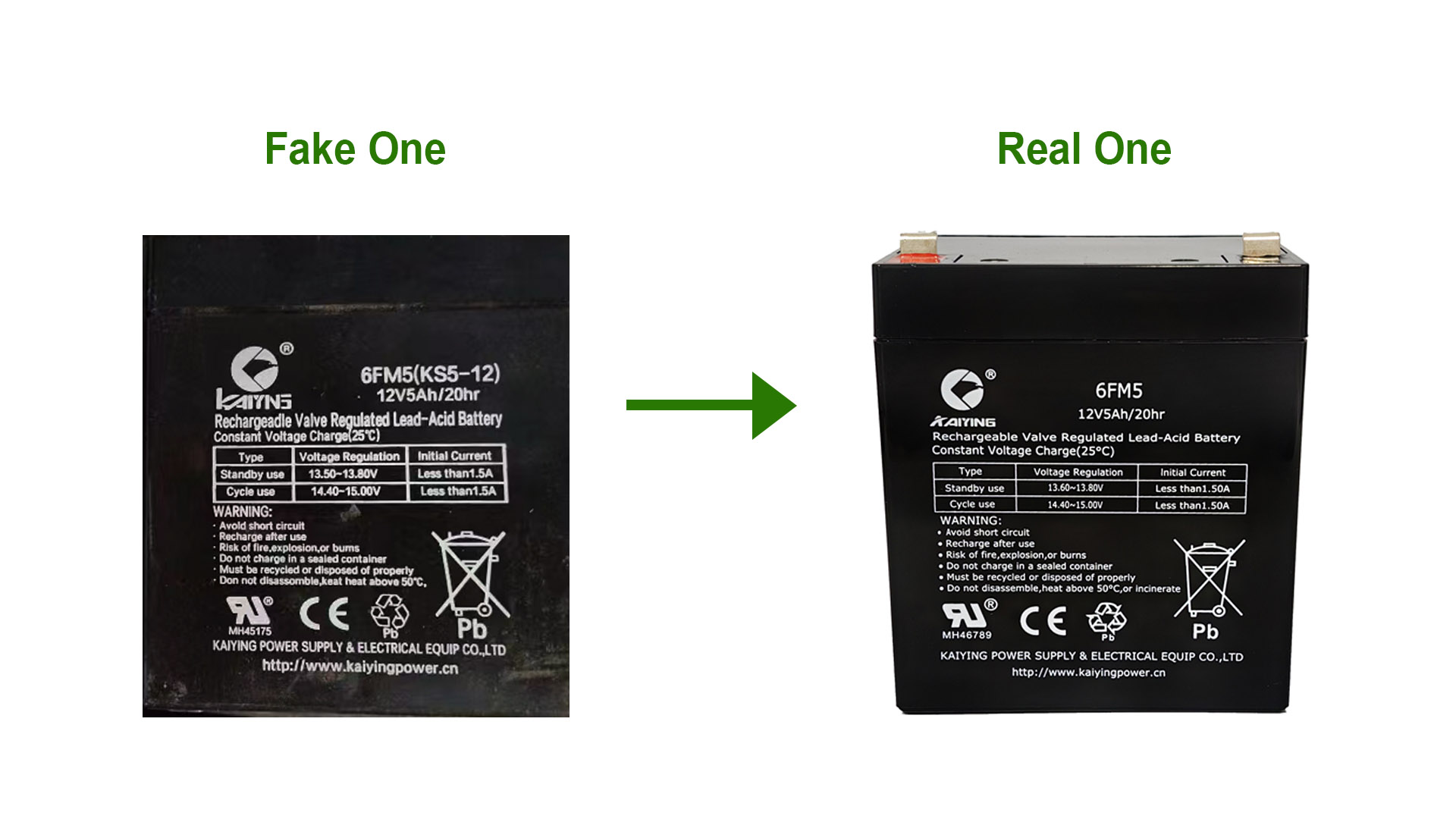
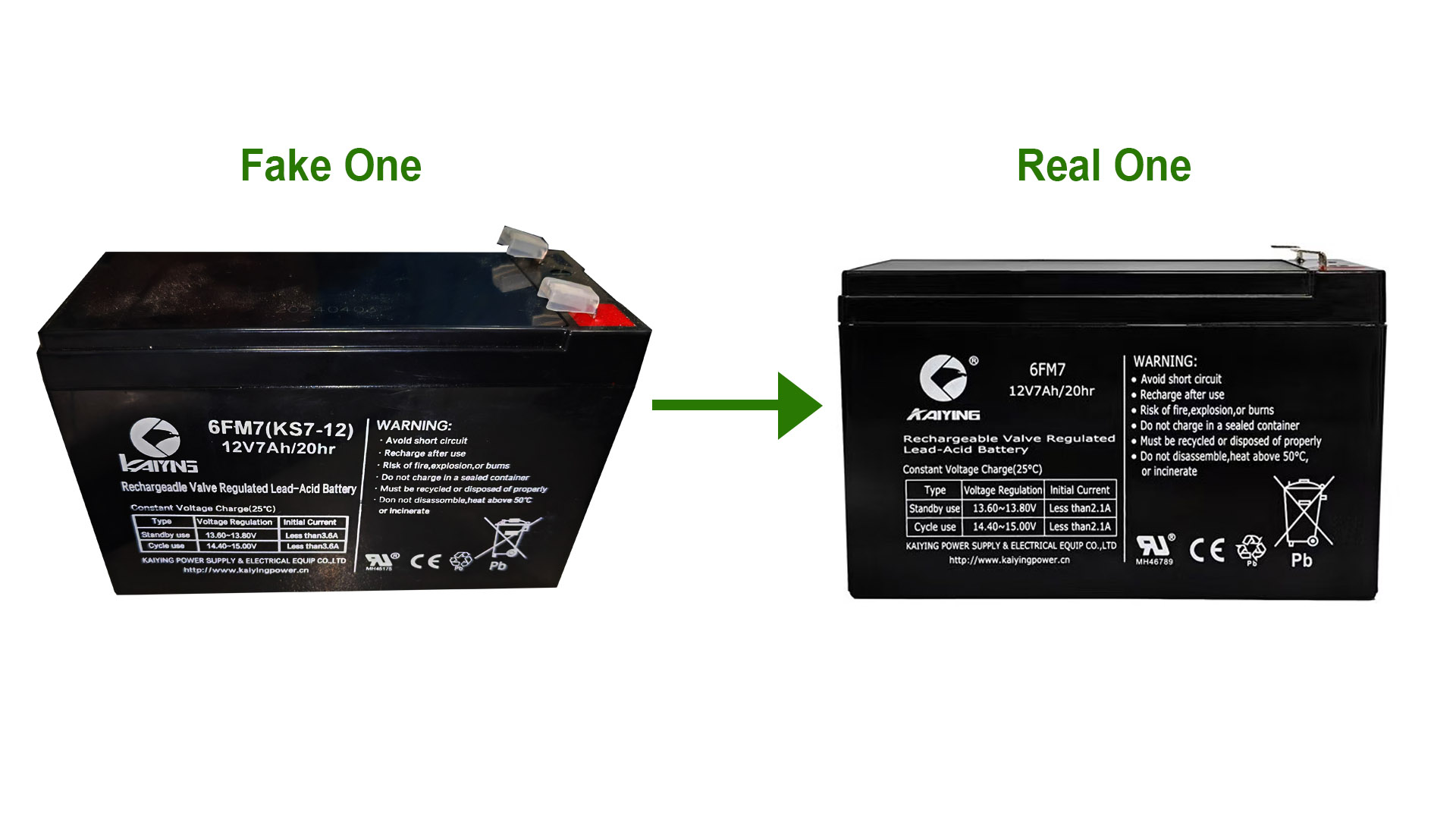
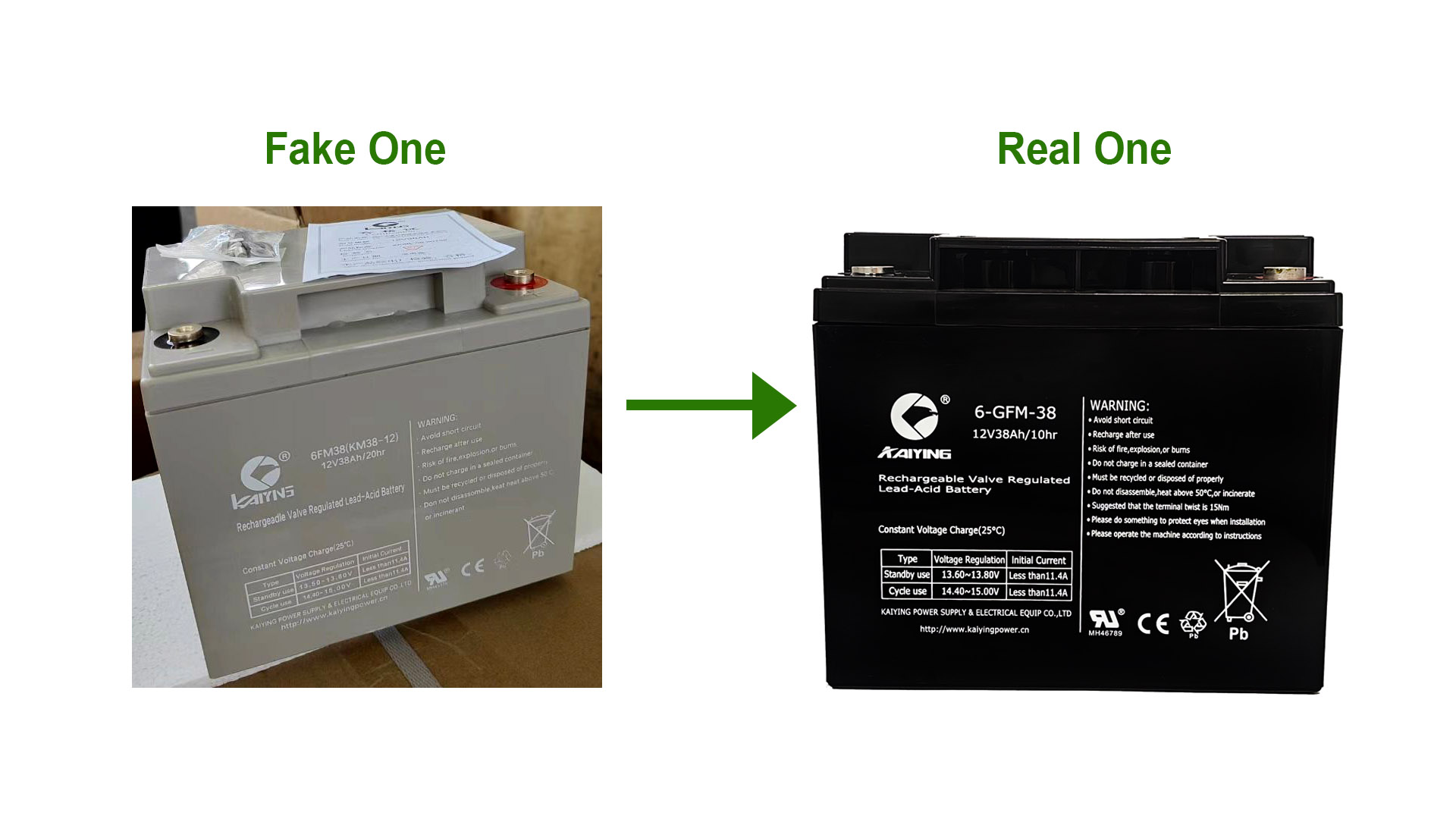
  Poor Casing Quality: Counterfeit batteries have thin casings with numerous scratches.
 Inferior Silk-Screen Printing: The silk-screen printing on counterfeit batteries contains errors in text, data, and certification codes, and is often blurry. These issues not only affect the product's appearance but also indicate unstable internal quality.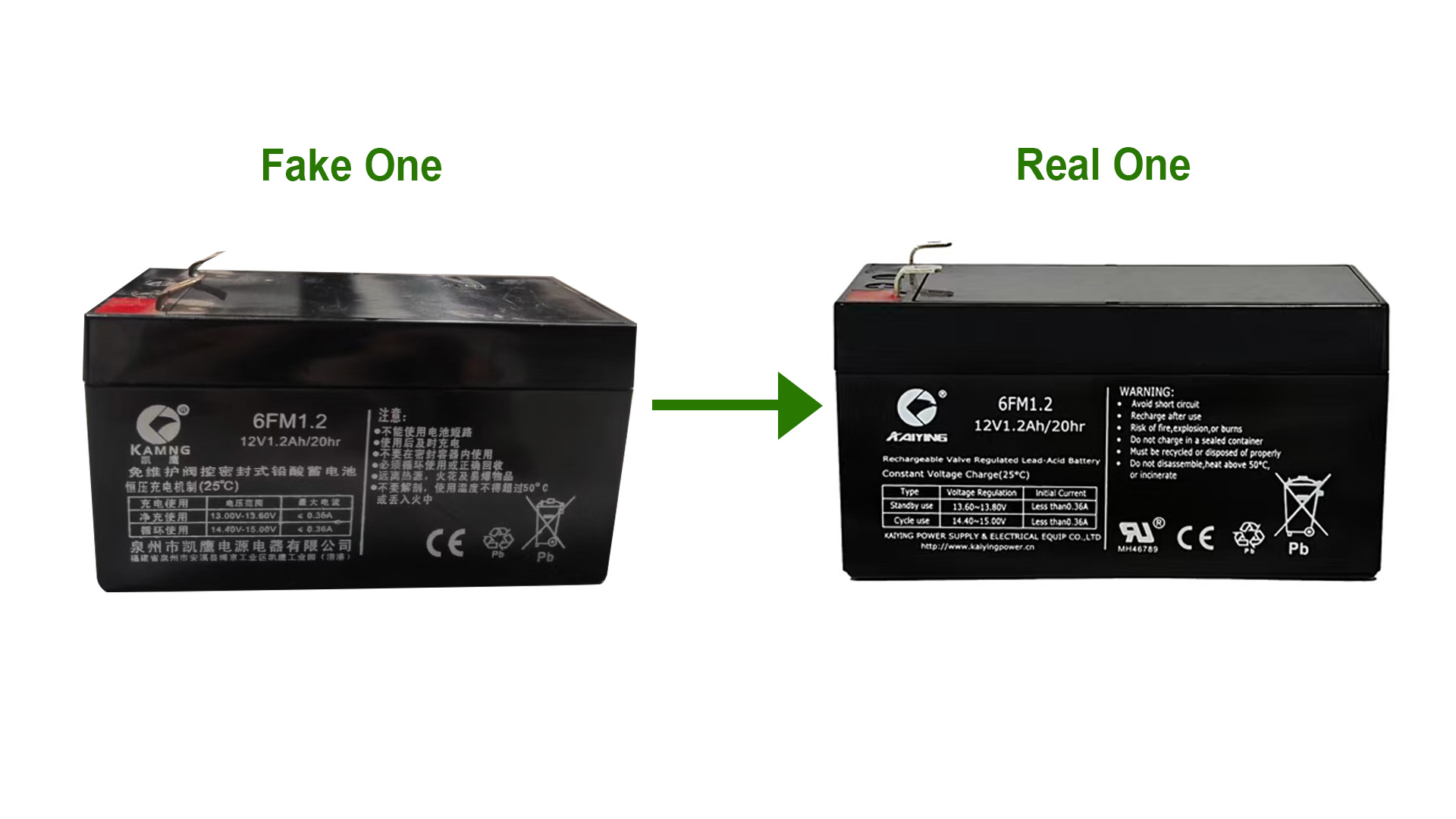
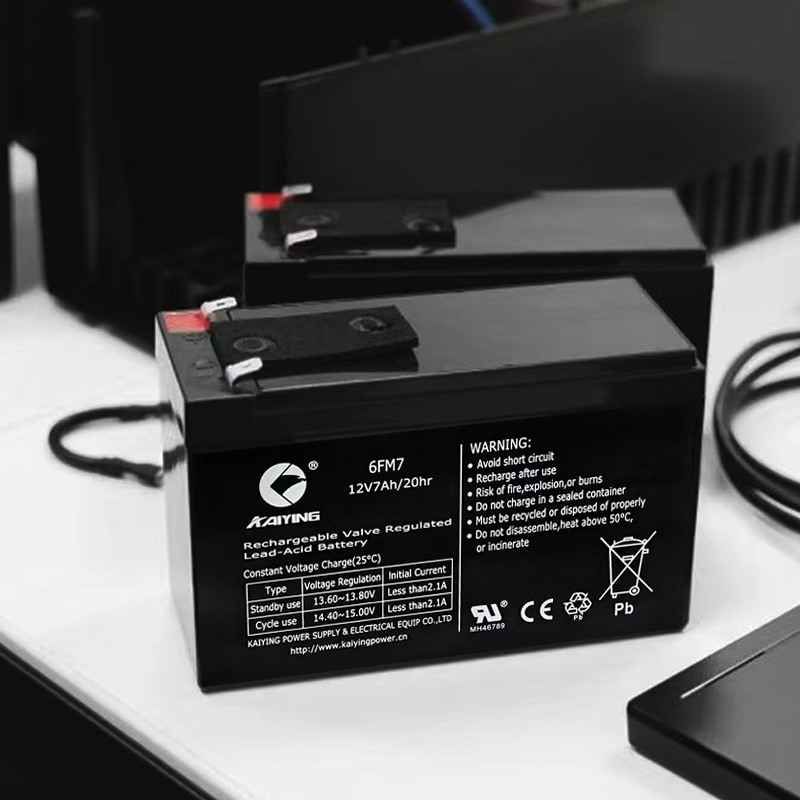


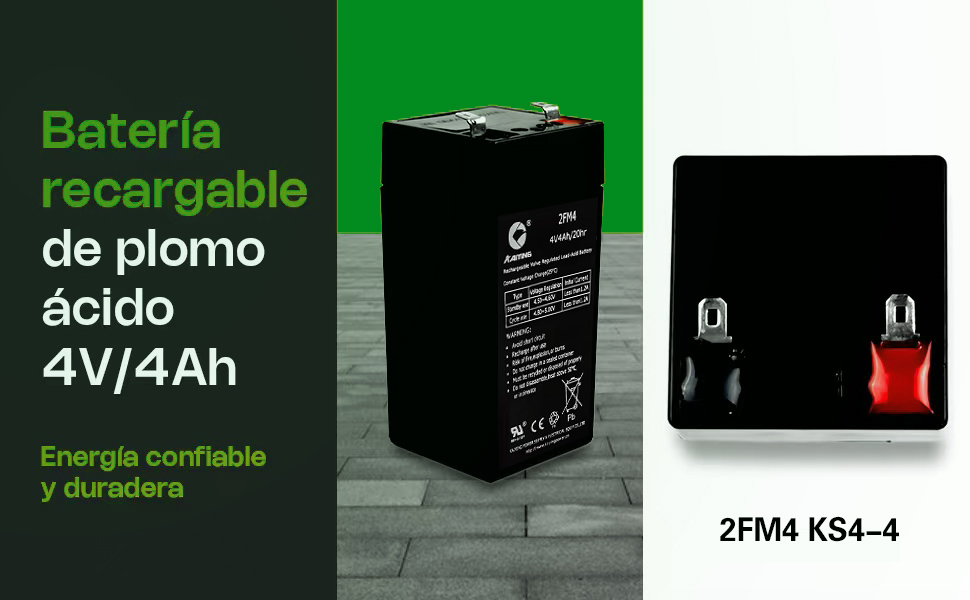
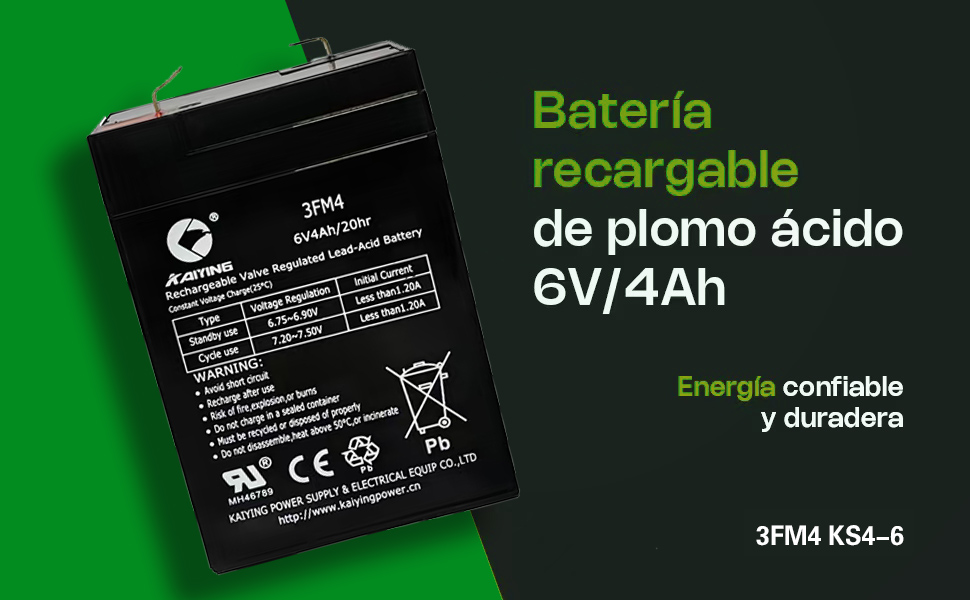
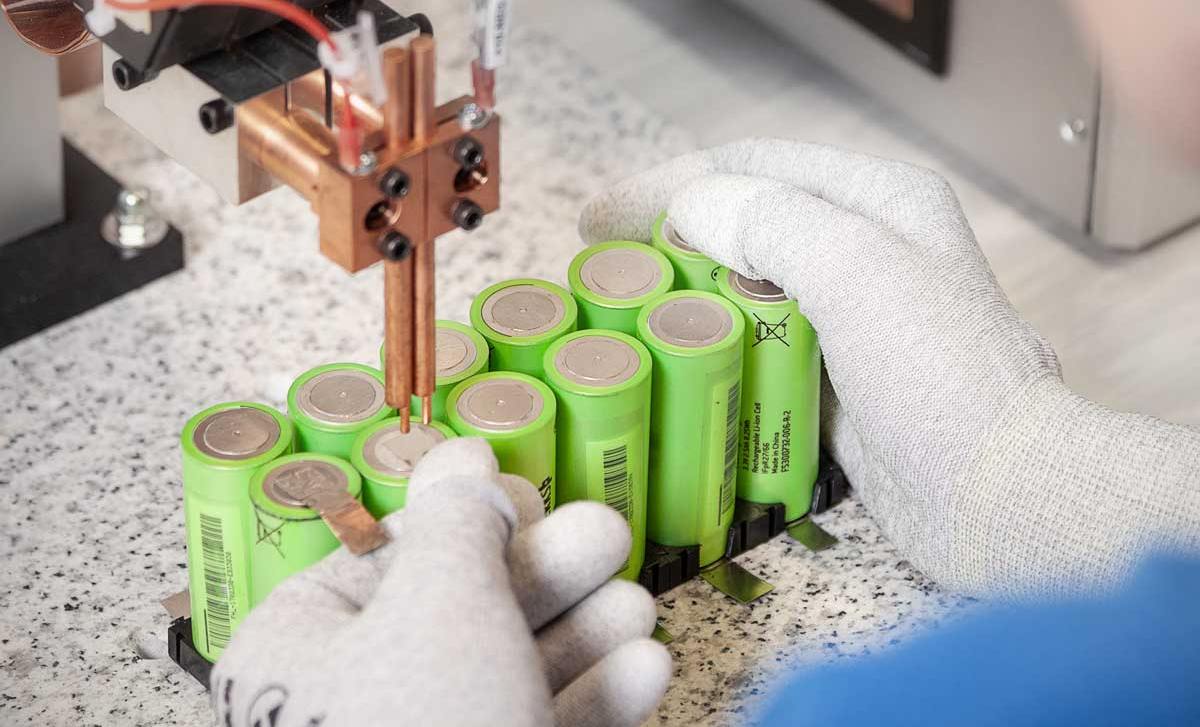
 Strict Quality Control: Fully automated production lines ensure consistency in every battery.
 Quick Response: Support for model customization and bulk delivery.