current location : home

What Is Flat Roof Solar Mounting? A Complete Beginner’s Guide

When you put solar panels on flat roofs (like you see on stores, factories, and some houses), it's a bit different than on slanted roofs. Since there's no natural slope, you need special stuff to hold the panels at the right angle to catch the sunlight best, keep the roof safe, and not cause any damage.

install solar panels on flat roof

The cool thing about flat roof setups is that you can adjust the panel angles. Because the roof is flat, the mounting gear lets you tilt the panels to get more sunlight. Usually, they're tilted between 5 and 15 degrees, depending on where you live, how windy it gets, and if anything blocks the sun. This gives you the best balance between making power and keeping the panels steady.

There are mainly two ways to keep the panels on a flat roof: with weights or by screwing them down. Weight systems use heavy stuff, like concrete blocks, to keep the panels from moving without making holes in the roof. People like these because they don't mess with the roof's waterproof layer. Screw-down systems attach straight to the roof and are good if you need something that can handle really strong winds or if you don't want the system to be too heavy.

How far apart you put the rows of panels is also key. You don't want one row of panels shading the next, most during the winter when the sun is lower. Good setups keep this in mind so you get the layout that makes the sunlight and uses as much roof space as can. Companies like SIC Solar make flat roof mounts that are shaped to cut down on wind lift and keep the whole thing reliable.

What the system is made of is also pretty important. Aluminum is used a lot because it's light and doesn't rust, and stainless steel bolts help it last a long time. These materials help the system hold up in all kinds of weather, even high winds and big temperature swings.

Besides holding the panels up, flat roof mounts need to let water drain right, make it easy to get to the panels for repairs, and keep all the wires organized. Walkways and space between the rows help workers check on and fix the system safely. If you use the design and good parts, solar panels on flat roofs can make plenty of power and keep the building in good shape.

...

Why Pitched Roofs Are Ideal for Installing Solar Panels

Pitched roofs? They're great for solar panels, mostly for homes and small businesses. The slope they already have makes putting in the panels easier and the whole system works better and lasts longer.

pitched roof solar mounting

A big plus is that roofs are tilted just right. Solar panels do their best when they're at the right angle for where they are and how the sun moves. Lots of roofs are already at that good angle, so you don't have to mess with extra stuff to adjust the tilt. This means the panels grab more sun all year without making things harder to set up.

Rain runs off easily too, which is cool. Water, dirt, whatever – it all slides right off. This helps keep the panels clean, so they keep making power. Plus, less water sitting around is always a good thing. And, roofs can handle weight pretty well, so they're good for holding up solar panels if you put them on right.

Putting panels on roofs is usually easier and cheaper. You can use hooks or rails to stick them to the roof. If you do it right, they'll stay put even when it's windy and your roof stays in one piece. SIC Solar manufactures products specifically for this purpose, ensuring they are durable, rust-resistant, and suitable for all types of roofs—tile roofs, metal roofs, and more.

Also, the angle helps air flow under the panels. This cools them down, which makes them work better. Air flowing around up there helps the panels and the stuff holding them up last longer because they don't get as hot and bothered.

Looks matter too. Panels on roofs usually sit closer to the roof, so it looks nicer. People care about that, mostly if it is their houses. You want to keep it pretty. The ways they install panels now let them stick close to the roof and keeps them safe and easy to check.

Roofs let you set things up how you want. You can put the panels sideways or up and down, move them around if something's in the way, and add more later if you have room. If you get the right gear, roofs are a good, easy, and dependable way to get solar power working, no matter where you live or what the weather's like.

...

How Does a Solar Carport Work?

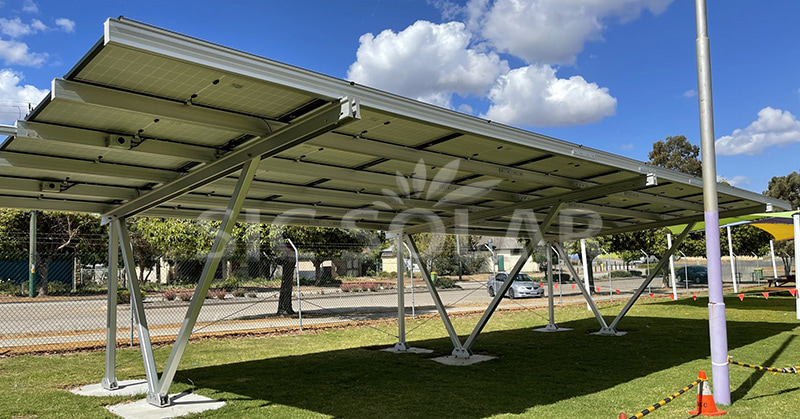
Solar carports are basically parking covers with solar panels on top. Instead of putting solar panels on roofs or the ground, they're put on a frame made of steel or aluminum that's built over parking spots. This way, the same space can be used for two things: to protect cars and to make clean energy.

solar pv carports

They work like any other solar power setup. The panels on top grab sunlight and turn it into DC electricity. Then, this DC power goes through cables to an inverter, which turns it into AC electricity. This AC electricity can then be used in buildings or sent to the power grid. The main difference is just how it's mounted and laid out.

The frame that holds up the solar carport is super important. Columns are stuck into concrete, and beams reach across the parking spots to hold the solar panels. These frames have to be made carefully, so they can handle wind, snow, and being outside for a long time. It’s also important how the water flows off, so rainwater doesn't hit the cars or the base. Companies like SIC Solar, that make solar panel mounting stuff, create carport frames that are strong, use just enough materials, and are easy to install.

Solar carports can be wired up in different ways based on what someone wants to do. At businesses, the power made often fuels nearby buildings, chargers for electric cars, or lights. Sometimes, any extra power is sent back to the grid. For big parking lots, many rows of carports can be hooked up to make a pretty big power plant.

Also, the way solar carports face and how they're tilted matters a lot. Usually, panels are angled to get as much sun as possible, depending on where you are and the weather. With carports, you can change the tilt and direction more easily than you can with rooftops, so you can get the most energy even if the ground is flat.

Besides making energy, solar carports are helpful. They protect cars from the sun, rain, and snow, making things better for people and possibly making cars last longer. The shade also cools down the parking lot, which makes it more comfy.

Structurally, these carports can be made bigger without too much difficulty because of modular mounting design. Parts that are already designed, standard hookups, and rustproof materials help to cut down on setup time and upkeep. This is why solar carports are becoming more popular for businesses, public buildings, and shipping centers that are trying to make better use of space while making renewable energy.

...

How Pitched Roof Solar Mounting Systems Work

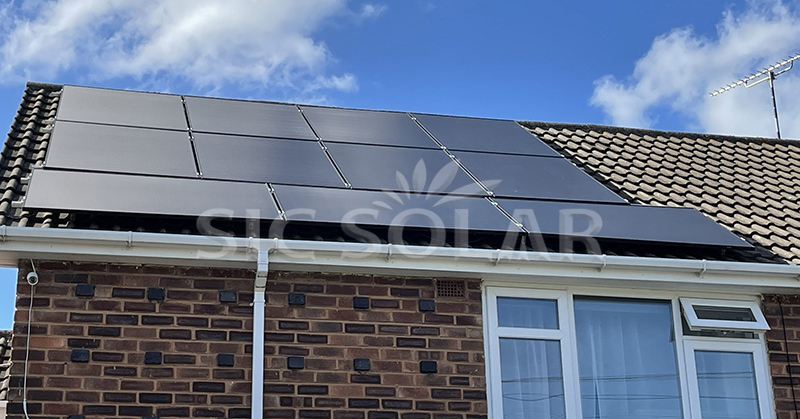
Pitched roof solar mounts? They're super common for homes and small businesses. Basically, they're made for roofs that aren't flat – like roofs with tiles, metal, or shingles. They let solar panels sit at an angle but stay safe from the weather.

solar panels on pitched roof

These mounts make a solid between the panels and the roof. They bolt into the strong parts of your roof, like rafters, not just the shingles. This makes sure they can handle wind, snow, and general wear and tear.

To put them in, you start with attachments on the roof. Depending on your roof type, you might use hooks for tiles, bolts for metal, or clamps for standing seam roofs. Install these at certain spots, figuring in panel size, local wind, and roof strength. And you seal around each spot to keep the roof from leaking.

After that, aluminum rails go on, either sideways or up and down. These hold the solar panels. Getting them straight is important, so the weight spreads evenly and the panels line up right. Good mounts can adjust a bit to deal with roofs that aren't perfectly even, which makes things easier.

Then, the solar panels get clamped onto the rails. These clamps hold the panels tight but still let them expand and contract when the temperature changes. Grounding is often built into the hardware to meet safety rules and keep the install simple.

A cool thing about pitched roofs is that their angle is often pretty good for getting the most sun, especially for houses. So you don't usually need extra stuff to tilt the panels. If the angle isn't quite right, the mounting system can still change the panel angle a bit without ruining the structure.

Companies such as SIC Solar makes these mounts to be tough and easy to install. They usually use stuff that won't rust, like aluminum and stainless steel, so they last a long time outside.

So, all in all, pitched roof solar mounts use strong anchors, straight rails, and secure clamps to turn your angled roof into a good spot to make solar power.

...

Key Components of a Pitched Roof Mounting System Explained

Having the right setup for putting solar panels on slanted roofs is super important for making sure everything is safe, lasts a long time, and works well. If you're putting panels on a house or a small business, it's good to know about the parts of these systems so you can make good choices.

solar panels on tile roofs

The part that holds the whole thing together is what connects to the roof. This piece fastens the structure to the roof's strong parts, like the beams. Different roofs need different connectors. For tile roofs, you might use steel hooks that go under the tiles. For metal roofs, you could use bolts or clamps. These things are made to handle wind and snow without damaging the building.

The rails usually crafted from aluminum , sit on top of these connectors. The rails give the solar panels a straight and flat place to sit. They also help spread the weight across the roof. Good rails can be tweaked to fit uneven roofs and keep the panels lined up.Companies like SIC Solar manufacture rails with standardized profiles, making them compatible with various clamps and accessories.

Clamps hold the solar panels onto the rails. The end clamps keep the panels on the edges in place, and the mid clamps join the panels in the middle. These clamps have to be strong but also flexible, so the panels don't get damaged when the weather changes. The way the clamps are designed can also make installation faster.

Waterproofing is another must-have. Most roof systems require you to make holes in the roof, so stopping leaks is key. Flashings and sealing stuff keep water out and protect the roof. Good systems have these features built in so the roof stays dry.

The parts that ground everything are usually part of the setup, too. Grounding clips or clamps make sure electricity flows correctly between the panels and the ground wire. This keeps everything safe and makes the install easier as there is less wiring to do.

Lastly, the little things like bolts, nuts, and wire clips matter. These make the system last longer, look good, and work well. Companies that focus on these systems use stuff that doesn't rust easily, like steel, so everything works for years even when it's outside.

All these things come together to make a solid system that lets slanted roofs hold solar panels without causing problems to the structure, safety, or how it looks.

...

Can a Metal Roof Support Solar Panels?

Metal roofs? They're often seen as a top choice for adding solar panels. They're tough, last a long time, and are strong enough to be a good base for solar. Actually, they're usually better at holding solar panels than standard roofs, providing safety that lasts.

metal roof support brackets

A great thing about metal roofs is how long they last. Asphalt roofs might go for 20–30 years, but metal ones often hit 40–70 years, depends on the stuff. That matches solar systems well, so you probably won't have to remove and put the panels back on because you need a new roof. Since metal is strong but not too heavy, it can handle the extra weight from solar mounts without needing more support.

Another cool thing is how flexible they are for installing things. Standing seam metal roofs are great for solar since you can put panels on without drilling. Special clamps just attach to the vertical seams so the roof doesn't leak. Companies like SIC Solar make mounting stuff for solar panels, and they've got clamps that don't go through the roof. These clamps keep the panels safe and don't hurt the roof.

For those corrugated or trapezoidal metal roofs, installers use brackets or clamps that fit the roof's shape. These things spread the weight out evenly and can handle strong winds. Well-made metal roof mounts follow the rules and are tested to hold up against heavy snow, strong winds, and temperature changes.

Weight isn't usually a problem with metal roofs. Solar panels and racks are pretty light compared to other stuff on a roof, and most metal roofs are made to hold a lot anyway. But, it’s a good idea to have someone look at the roof before installing to make sure it's in good shape and can handle the extra weight.

Metal roofs also do well in tough weather. They don't rust, they can't catch fire easily, and they handle hot and cold well, which means the solar systems have a stable place to sit for years. If you use good mounting parts, the whole thing is both easy to do and lasts.

Besides doing a good job, metal roofs can also help keep installation costs down. Clamps mean you don't have to drill into the roof or seal it up, which makes the work easier. Clean lines and consistent shapes also mean you can mount things faster compared to roofs that are uneven.

Picking a good mounting supplier is really important. Companies like SIC Solar make solutions that fit different metal roof types, so installers have safe and strong choices for houses, stores, and factories.

...

Complete Guide to Waterproof Solar Carport Systems

Waterproof solar carports are becoming a go-to solution for businesses, apartment complexes, and factories. They not only create clean power but also give cars a sheltered spot, protecting them from weather and falling stuff. More and more people want renewable energy that does more than one thing, so waterproof carports are proving to be a smart move.

solar panels carports

A waterproof solar carport has built-in drains and sealed panels to keep water out. Regular carports don't have this. These systems use special stuff to keep rainwater away from the parking spots. This way, the area stays dry, even when it pours. The result? A clean, safe, and comfy spot for cars and people.

One of the best things about waterproof carports is that they're built to last. They're made with strong frames that can handle wind, rust, and being outside all the time. The parts that hold everything together have to be made just right to keep things steady, especially since they also hold up solar panels. Companies like SIC Solar make these parts, which help the whole thing work well for a long as possible.

Waterproof solar carports are also great at saving space. They turn parking lots into power plants without needing extra land. If a business doesn't have much space, this can cut down on electric bills and make them more eco-friendly. You can get these carports in different sizes and setups, with options like chargers for electric cars.

Setting them up involves a few steps. First, engineers look at the ground to figure out what kind of base to use. Then, they put together the posts and beams and line up the waterproof rails. Next, they stick on the solar panels with parts that keep water out. Gutters and pipes are added to handle the rain. Finally, they wire everything up, install the inverter, and test the system.

Since keeping water out is super important, you need good hardware. Cheap stuff can cause leaks, rust, and a shorter lifespan. Working with experienced suppliers makes sure your carport makes power for a long time and keeps the weather out. Waterproof systems also make parking lots look better, giving businesses a modern feel.

As more people want renewable energy, waterproof solar carports are becoming a popular option for big and small projects because they are efficient and durable.

...

Solar Racking Corrosion Resistance Guide

When you're putting up solar panels, you want them to last, right? So, fighting rust is super important for those mounting systems. Solar setups should work for like, 25 years or more. That means the stuff holding them up needs to handle all kinds of bad weather. If things get rusty, the whole system can get weak, cost more to keep up , and just not work as well overall.

ground mounting systems

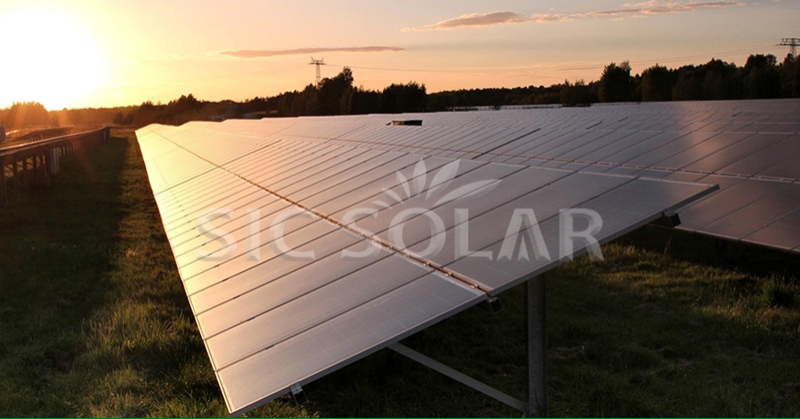
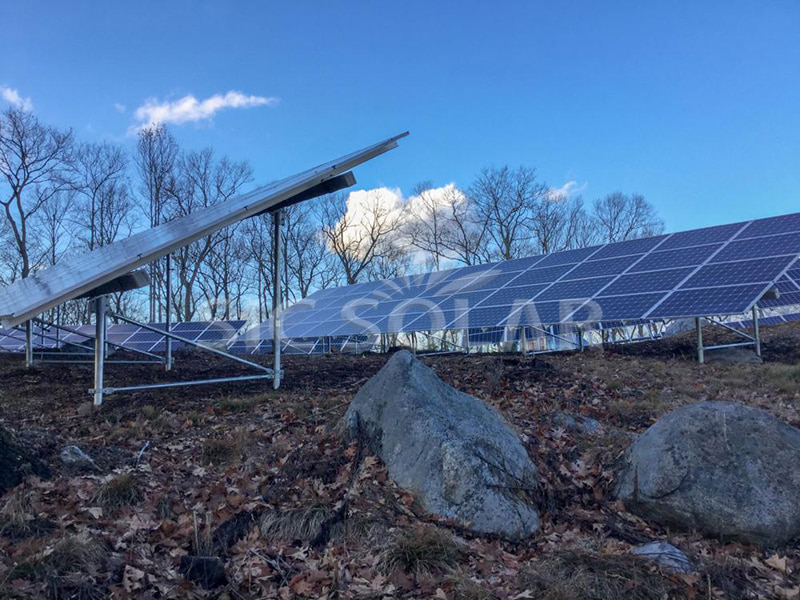
First off, what you make the system out of matters a lot. Aluminum is good because it naturally fights corrosion; that's why it's used a lot on roofs and near the ocean. Steel that's been dipped in zinc – what they call hot-dip galvanized – is another solid pick. That zinc layer keeps rust away. A lot of gigantic projects go with this kind of steel because it's strong and lasts long out in the elements.

How you treat the metal's surface also makes a huge difference. If you anodize aluminum, it gets even better at resisting corrosion. And there are coatings you can put on steel to keep water and chemicals from messing it up. Big-time suppliers like SIC Solar often use a bunch of these surface treatments to make sure their mounting gear stays good, whether it's in a desert or by the salty sea.

Think about where you're putting the solar panels, too. If it's by the coast, you gotta use stuff that can really handle salt. If it rains or snows a lot where you live, get coatings that stop water from hanging around and weakening the metal. And if you're in the desert, you definitely need finishes that can take the sun and sand. Knowing your local weather helps you pick the right gear that'll last.

The way the mounting system is put together affects rust, too. Good designs don't let water sit anywhere. Drainage holes, smooth edges, and parts that fit together well all keep rust from starting. Also, mixing different kinds of metals can cause corrosion, so you want to keep aluminum and steel from touching directly.

Even how you set things up matters for keeping rust away. Make sure bolts are tight, coatings don't get scratched, and everything's treated right during install. You really don't want to scratch those surfaces that are treated to prevent corrosion, and be sure to use the right screws and bolts for the job so things hold up long term.

Checking everything out regularly is a smart idea, especially if you're in a tough environment. If you spot wear and tear, coating damage, or rust early, you can fix it before it causes big problems.

If you get a good design, a good coating, and a careful install, your solar panels will stay safe, stable, and working for years. Working with experienced makers of mounting systems like SIC Solar helps make sure that fighting rust is built into every piece of the system.

...

What Are the Advantages of Solar Trackers?

Solar trackers are cool mounting systems that follow the sun all day. This means solar panels can stay at the best angle to make as much power as possible. Unlike regular setups that don't move, trackers automatically change to catch more sunlight and work better. You usually see them in big projects where making lots of power is the main goal.

solar panel trackers

A huge plus of using solar trackers is that they seriously crank up power production. Depending on the model and where you are, trackers can make 20%–40% more power compared to standard mounts. It's like they're always chasing the sun, getting the most out of those early morning and late afternoon hours when normal systems don't do as well. This makes trackers super useful in sunny places.

Another good thing is they're better for using land. Since trackers make more energy on the same amount of land, they make big solar farms work better. This is a big deal when land is expensive or there's not much space. Single-axis trackers move in one way, usually from east to west. They’re a good mix of performance and price. Dual-axis trackers can make even more power because they follow the sun up and down too.

Solar trackers also help projects make more money. Yeah, they cost more upfront compared to a setup that doesn't move, but the extra power they make often means you get your money back faster. A lower energy cost makes tracker systems attractive for solar investments that you intend to keep for a long time. Today's trackers are made to last, with strong designs and smart controls that can handle wind, dust, and changes in temperature.

For big projects, trackers can make things easier for the power grid. A more consistent power output helps keep things steady when everyone's using a lot of electricity. If you're a farmer, you can put trackers on raised frames to grow crops underneath, which is great because the plants get just the right amount of shade.

Picking good mounting parts is super important for how well tracker systems work and how long they last. Companies like SIC Solar make these parts. They’re made to be strong and keep things aligned, which is key for solar trackers since they're always moving.

With more power, better land use, and good money value, solar trackers are still a major player in growing big solar power projects.

...

What Is Pitched Roof Mounting for Solar Panels? A Complete Guide

Putting solar panels on slanted roofs is a go-to move for houses and small businesses. Since the roof is already at an angle, the panels get more sun, rain washes off easier, and dust doesn't stick around as much. That's why it's a popular choice in cities and the countryside.

best roofs for solar panels

For these setups, panels are bolted right onto the roof using special parts. Usually, that means hooks or brackets, rails, clamps, and screws. These bits are stuck onto the roof's frame to keep everything steady. The panels then attach to rails, matching the roof's angle.

What's cool is that the roof's slope is often perfect for getting the most sunlight. Many roofs are already angled between 15 and 40 degrees, so the panels work well without needing extra gadgets to tilt them. This keeps things simple and cheaper than those fancy adjustable setups.

Roofs are made of different stuff, so you need different ways to attach the panels. With tile roofs, hooks go under the tiles so you don't have to drill through anything you can see. For metal roofs, clamps or bolts grab onto the seams or sheets, so you don't poke too many holes. Shingle roofs usually use flashed mounts to keep water out. Manufacturers like SIC Solar, which focuses on producing and supplying photovoltaic mounting systems, design their pitched roof solutions to be compatible with a wide range of roof types and structural conditions.

Weather can be rough, so these mounting systems have to hold up against wind, hot and cold temps, and years of being outside. Good materials like strong aluminum and steel help fight rust, especially near the ocean or in wet places.

Getting the install right is super important. Space things out evenly, don't overtighten screws, and line up the rails just right. This keeps stress off the panels and stops roof damage. A good system does more than just hold the panels; it also lets air flow underneath, which cools the panels down and makes them work better.

Slanted roof mounting is still a favorite because it works well, looks good, and is sturdy. If you use the right parts and get it installed by someone who knows what they're doing, solar panels on slanted roofs can pump out power for years and blend right in with the building.

...