current location : home

Analysis of changes and causes of lithium battery capacity attenuation!

1. Analysis of lithium-ion battery capacity attenuation

Positive and negative electrodes, electrolytes and diaphragms are important components of lithium-ion batteries. The positive and negative electrodes of lithium-ion batteries undergo lithium insertion and extraction reactions respectively, and the amount of lithium inserted in the positive and negative electrodes becomes the main factor affecting the capacity of lithium-ion batteries. Therefore, the balance of the positive and negative electrode capacities of lithium-ion batteries must be maintained to ensure that the battery has optimal performance.


2. Overcharge

2.1 Negative electrode overcharge reaction There are many types of active materials that can be used as negative electrodes of lithium-ion batteries, with carbon-based negative electrode materials, silicon-based, tin-based negative electrode materials, lithium titanate negative electrode materials, etc. as the main materials. Different types of carbon materials have different electrochemical properties. Among them, graphite has the advantages of high conductivity, excellent layered structure and high crystallinity, which is more suitable for lithium insertion and extraction. At the same time, graphite materials are affordable and have a large stock, so they are widely used.


When a lithium-ion battery is charged and discharged for the first time, solvent molecules will decompose on the graphite surface and form a passivation film called SEI. This reaction will cause battery capacity loss and is an irreversible process. During the overcharging process of a lithium-ion battery, metal lithium deposition will occur on the negative electrode surface. This situation is prone to occur when the positive electrode active material is excessive relative to the negative electrode active material. At the same time, metal lithium deposition may also occur under high rate conditions.


Generally speaking, the reasons for the formation of metal lithium leading to the change in lithium battery capacity decay mainly include the following aspects: first, it leads to a decrease in the amount of circulatory lithium in the battery; second, metal lithium reacts with electrolytes or solvents to form other by-products; third, metal lithium is mainly deposited between the negative electrode and the diaphragm, causing the pores of the diaphragm to be blocked, resulting in an increase in the internal resistance of the battery. The influencing mechanism of lithium-ion battery capacity decay varies depending on the graphite material. Natural graphite has a high specific surface area, so the self-discharge reaction will cause the lithium battery capacity loss, and the electrochemical reaction impedance of natural graphite as the negative electrode of the battery is also higher than that of artificial graphite. In addition, factors such as the dissociation of the negative electrode layered structure during the cycle, the dispersion of the conductive agent during the production of the pole piece, and the increase in the impedance of the electrochemical reaction during storage are all important factors that lead to the loss of lithium battery capacity.


2.2 Positive electrode overcharge reaction Positive electrode overcharge mainly occurs when the proportion of positive electrode material is too low, resulting in an imbalance in the capacity between the electrodes, causing irreversible loss of lithium battery capacity, and the coexistence and continuous accumulation of oxygen and combustible gases decomposed from the positive electrode material and the electrolyte may bring safety hazards to the use of lithium batteries.


2.3 Electrolyte reacts at high voltage If the charging voltage of the lithium battery is too high, the electrolyte will undergo an oxidation reaction and generate some by-products, which will block the electrode micropores and hinder the migration of lithium ions, thereby causing the cycle capacity to decay. The change trend of the electrolyte concentration and the stability of the electrolyte is inversely proportional. The higher the electrolyte concentration, the lower the electrolyte stability, which in turn affects the capacity of the lithium-ion battery. During the charging process, the electrolyte will be consumed to a certain extent. Therefore, it needs to be supplemented during assembly, resulting in a reduction in battery active materials and affecting the initial capacity of the battery.


3. Decomposition of electrolyte The electrolyte includes electrolytes, solvents and additives, and its properties will affect the service life, specific capacity, rate charge and discharge performance and safety performance of the battery. The decomposition of electrolytes and solvents in the electrolyte will cause the battery capacity to be lost. During the first charge and discharge, the formation of SEI film on the surface of the negative electrode by solvents and other substances will cause irreversible capacity loss, but this is inevitable. If there are impurities such as water or hydrogen fluoride in the electrolyte, the electrolyte LiPF6 may decompose at high temperatures, and the generated products will react with the positive electrode material, resulting in the battery capacity being affected. At the same time, some products will also react with the solvent and affect the stability of the SEI film on the surface of the negative electrode, causing the performance of the lithium-ion battery to decay. In addition, if the products of the electrolyte decomposition are not compatible with the electrolyte, they will block the positive electrode pores during the migration process, resulting in battery capacity decay. In general, the occurrence of side reactions between the electrolyte and the positive and negative electrodes of the battery, as well as the generated by-products, are the main factors causing battery capacity decay.


4. Self-discharge Lithium-ion batteries generally experience capacity loss, a process called self-discharge, which is divided into reversible capacity loss and irreversible capacity loss. The solvent oxidation rate has a direct impact on the self-discharge rate. The positive and negative active materials may react with the solute during the charging process, resulting in capacity imbalance and irreversible attenuation of lithium ion migration. Therefore, it can be seen that reducing the surface area of ​​the active material can reduce the capacity loss rate, and the decomposition of the solvent will affect the storage life of the battery. In addition, diaphragm leakage can also lead to capacity loss, but this possibility is low. If the self-discharge phenomenon exists for a long time, it will lead to the deposition of metallic lithium and further lead to the attenuation of the positive and negative electrode capacities.


5. Electrode instability During the charging process, the active material of the positive electrode of the battery is unstable, which will cause it to react with the electrolyte and affect the battery capacity. Among them, structural defects of the positive electrode material, excessive charging potential, and carbon black content are the main factors affecting battery capacity.

...
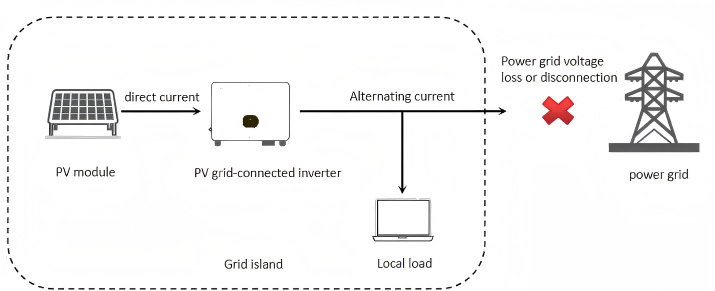

Anti-Islanding Protection in Solar PV Systems

What is Anti-Islanding?

Anti-islanding is a critical safety feature in grid-connected solar PV systems that prevents the system from continuing to supply power to a local grid section when the main utility grid fails or is disconnected. An "island" refers to an isolated portion of the grid that remains energized by the solar system, posing serious risks:

  1. Safety Hazard – Utility workers repairing the grid may be electrocuted if the solar system continues feeding power.

  2. Equipment Damage – Voltage and frequency fluctuations in an islanded system can damage connected loads or inverters.

  3. Grid Restoration Issues – Uncontrolled power generation can interfere with grid reconnection.

How Do Solar Panels Prevent Islanding?

Since solar panels themselves cannot prevent islanding, inverters and protection devices implement anti-islanding measures. The main methods include:

1. Passive Anti-Islanding

Detects abnormal grid conditions without injecting disturbances:

Under/Over Voltage (UV/OV) & Under/Over Frequency (UF/OF) Protection

If the grid fails, the inverter monitors voltage (±10%) and frequency (±0.5Hz) deviations and shuts down if thresholds are exceeded.

Phase Jump Detection

A sudden phase shift in the inverter output indicates grid loss, triggering shutdown.


2. Active Anti-Islanding

The inverter actively perturbs the grid to detect islanding conditions:

Active Frequency Drift (AFD)

The inverter slightly shifts its output frequency. If the grid is present, it stabilizes the frequency; if the grid is disconnected, the frequency drifts until the inverter trips.

Impedance Measurement

The inverter monitors grid impedance changes—if the grid is disconnected, impedance rises significantly, triggering protection.


3. Communication-Based Anti-Islanding

Uses Power Line Communication (PLC) or wireless signals to maintain grid synchronization. If communication is lost, the inverter shuts down (common in large-scale PV plants).


4. Hardware Protection Devices

Arc Fault Circuit Interrupters (AFCI) – Detect islanding conditions and disconnect the system.


Protection Relays – Work with voltage/frequency sensors to force disconnection.

...

Trump's Insane On Tariff Polices!!!

The continuously increasing tariffs will definitely have a serious impact on lead-acid battery industry. Trump is totally going crazy.


Trump Tariffs


I. Export Pressure in the U.S. Market and Industry Adjustments


Surge in Tariff Costs: Chinese lead-acid battery exports to the U.S. now face a comprehensive tariff rate of 54%, combining previous tariffs with the new "reciprocal tariffs." This has drastically increased export costs, leading to severe order losses for small and medium-sized enterprises (SMEs).


Blocked Transshipment Routes: Key Southeast Asian transshipment hubs (e.g., Vietnam) are subject to a 46% tariff, further limiting opportunities to bypass tariffs via third countries. Overseas Chinese-owned factories face profitability challenges.


II. Intensified Competition in Southeast Asia and Supply Chain Restructuring


Relocation of Production Capacity: To counter high tariffs, domestic companies are accelerating factory construction in Southeast Asia. However, rising labor and resource costs in the region erode cost advantages, diverting some orders to more technologically advanced international competitors.


Decline in Export Volume: Due to high domestic lead prices and currency fluctuations, lead-acid battery exports fell by over 15% year-on-year in the second half of 2024, with localized Southeast Asian production further diverting orders.


III. Domestic Market Transformation Driven by Policy and Consolidation


Domestic Demand Cushion: Stable demand from China’s automotive and energy storage sectors—bolstered by the country’s global-leading automobile production in 2023—partially offsets export declines. However, the rise of new energy vehicles is gradually displacing traditional lead-acid batteries.


Tighter Environmental Policies: Stricter regulations on battery recycling and pollution control accelerate industry consolidation. SMEs are exiting the market, while leading enterprises improve efficiency through automation (e.g., achieving a 66% operating rate in primary lead smelting), driving higher industry concentration.


Trump’s tariff policies have intensified short-term challenges for China’s lead-acid battery industry. However, resilient domestic demand, policy support, and technological upgrades provide opportunities for transformation. Future competition will focus on innovation and globalized supply chains, with leading players poised to solidify their dominance amid industry restructuring.

...

How do I find a bag manufacturer?

Finding a reliable and cost-effective bag manufacturer can be a real challenge. With so many options available, how do you ensure that you’re choosing the right supplier who delivers on quality, cost, and reliability? Whether you're launching a new bag design or expanding your product line, this guide will help you make an informed decision.


1. Clarify Your Requirements  

   Understanding your own needs can quickly narrow down the search range, avoiding the frustration of searching aimlessly. These needs include: whether design services are required, the quantity of orders, the type and material requirements of the bags, as well as any specific requirements for logistics and production locations.

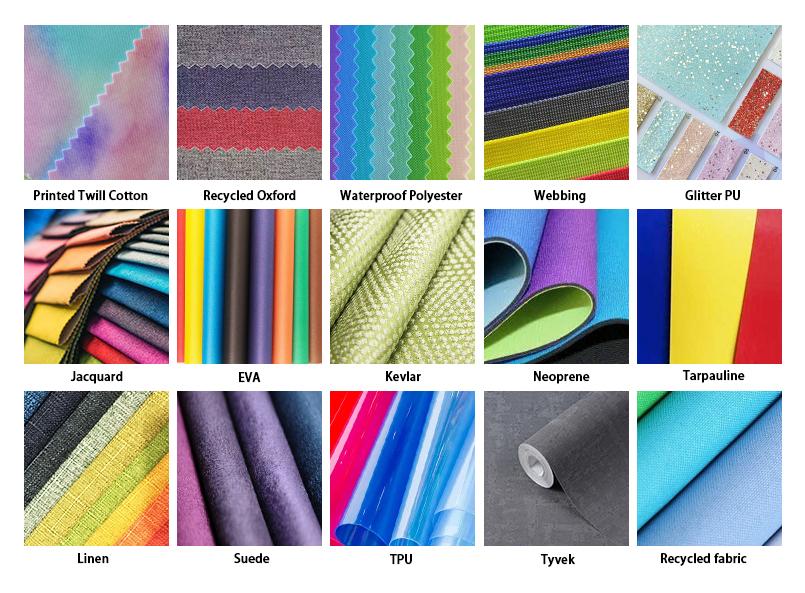
Bag Materials

2. Search for Manufacturers Online  

Determine appropriate keywords, such as "cambodia bag factory","vietnam bags manufacturer","backpack manufacturers in india" and then search on the following platforms:  

   B2B Platforms: Common B2B platforms include Alibaba and Made-in-China. These platforms host numerous bag manufacturers and provide customer ratings that can help you assess their reliability.  

   Google Search: Many bag manufacturers have their own websites that offer detailed information. The “Contact Us” page is particularly useful for gathering more information about the company.  

   Social Media Platforms: Platforms like LinkedIn and Facebook are also valuable. Many B2B bag suppliers have company pages on these social media sites where they post updates and information.  

   Trade Shows: Attending trade shows allows you to meet bag suppliers face-to-face and directly discuss your needs.

Cambodia Bag Factory Bag Factory in Cambodia Trade Shows

3. Evaluate the Bag Manufacturer  

Once you have a list of potential suppliers, you can assess their reliability from the following aspects:  

   Certificates: Certificates such as WRAP, BSCI, SCAN, and ICAS are important indicators of a bag factory’s compliance and quality.  

   Production and Design Capabilities: Ensure that the manufacturer can meet your design and production requirements.  

   Communication and Responsiveness: Reliable suppliers usually respond promptly to inquiries, especially on weekdays. 

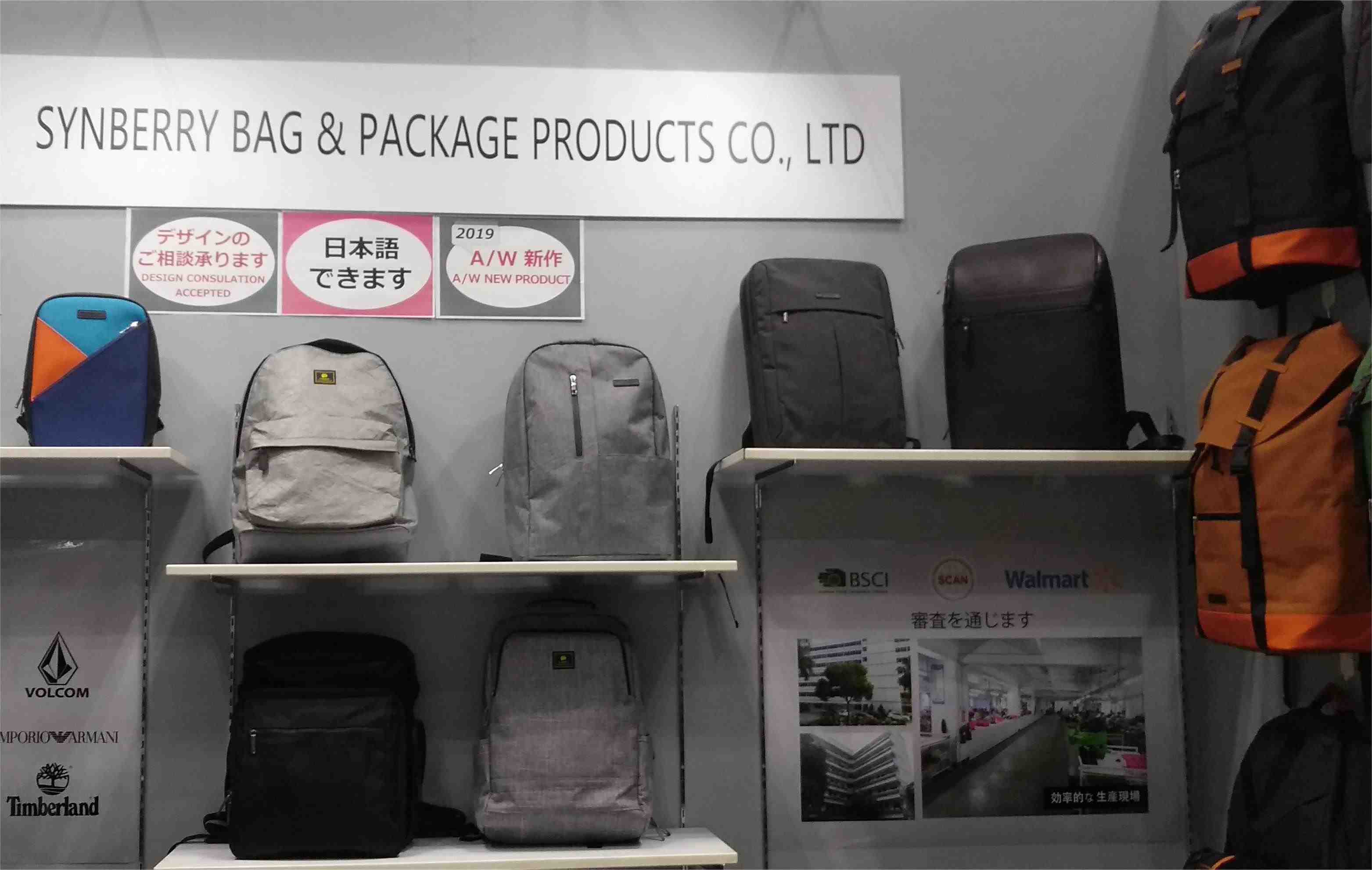
   Quality Control Process: Ensuring product quality is crucial when selecting a bag manufacturer. Check whether the factory has an independent quality control team or conducts in-house testing. For example, at Synberry, our backpack  factory is equipped with a dedicated laboratory that performs comprehensive product testing, ensuring that every bag meets high-quality standards before shipment. This level of in-house quality control helps minimize defects and guarantees consistency across production batches.

  Request Samples: Requesting samples can give you a direct sense of the supplier’s production quality.

Cambodia Bag Factory

4.Next Steps
Once you have shortlisted a few manufacturers, reach out to them for further discussions. Ask for quotes, review their sample quality, and negotiate terms to find the best fit for your business.
If you’re looking for a reliable bag manufacturer with strong quality control and flexible production options, Synberry is here to help. Get in touch with us today to discuss your project!

...

VRLA Battery For Portable Power Stations A Safe and Durable Energy Solution for Outdoor Scenarios

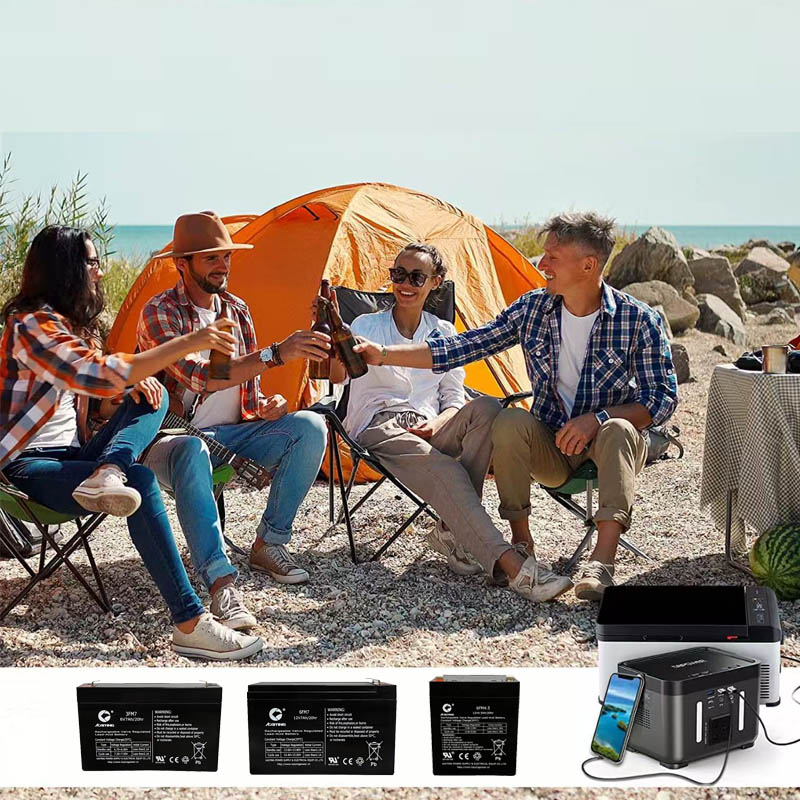
In the realm of portable power solutions, Valve-Regulated Lead-Acid (VRLA) batteries continue to stand out for their inherent safety and unwavering stability. Leveraging AGM (Absorbent Glass Mat) technology to immobilize electrolytes and oxygen recombination mechanisms, these fully sealed, maintenance-free batteries eliminate leakage risks even under tilting or vibration. Take the 12V 100Ah battery as an example: while its 29kg weight exceeds that of lithium counterparts, it delivers unmatched reliability—zero thermal runaway risk, tolerance for deep discharges, and a remarkably low 3% monthly self-discharge rate—making it ideal for long-term emergency storage.


VRLA Battery For Portable Power Station


Kaiying Power, a specialized VRLA battery manufacturer, has integrated graphene technology into traditional lead-acid systems. By optimizing current distribution efficiency through graphene-enhanced grids, the company’s 12V100Ah battery achieves 800 deep-cycle lifetimes (at 100% depth of discharge) while maintaining the standard 29kg weight. Notably, its capacity retention at -20°C improves by 18% compared to conventional models. This innovation powers flagship products of international outdoor equipment brands, with Antarctic expedition data confirming less than 10% capacity loss after 300 days of extreme cold exposure.


Typical applications for VRLA-based portable power stations include:


Outdoor Operations: A 12V200Ah battery bank can sustain a 2000W inverter system for 6 hours, meeting high-power demands from construction tools or medical devices.


Household Backup: Integrated with solar charge controllers, 48V systems automatically switch to power refrigerators, routers, and other critical appliances for over 72 hours during outages.


Harsh Environments: Military-grade shock resistance and IP67-rated enclosures ensure annual failure rates below 0.5% in marine, mining, or industrial settings.


Despite lower energy density (35Wh/kg), VRLA batteries thrive in cost-sensitive markets with a per-Wh cost under $0.1. Kaiying Power leverages two decades of expertise and vertically integrated production—from grid casting to final assembly—to deliver scalable, cost-effective solutions. Its batteries comply with UL, IEC, and CE certifications, serving as designated components for global emergency power projects.


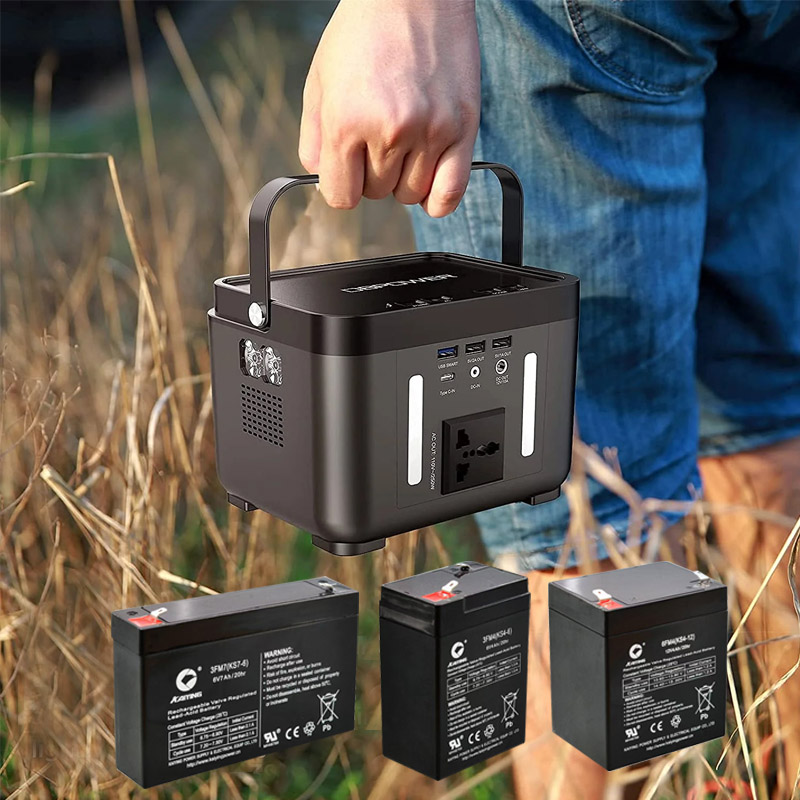
Opting for a VRLA-based power station reflects a balanced emphasis on safety redundancy and lifecycle economy. While competitors chase lithium’s lightweight appeal, Kaiying Power remains committed to perfecting lead-acid technology—today, 2 out of every 10 lead-acid energy storage devices worldwide are powered by batteries from our factories.


Portable Power Battery

...

Can lithium iron phosphate battery packs be connected in series like battery cells?

When you connect batteries in series, the voltage adds up, but the capacity (amp-hour rating) remains the same as a single cell. For example, if you have four 3.2V LiFePO4 cells in series, the total voltage would be 12.8V (3.2V × 4), but the capacity would remain the same as the capacity of one cell. If I have four 12.8V battery packs, can I connect them in series to make 51.2V? The answer is yes. In that case, the same principles apply, but there are some additional considerations when connecting complete battery packs in series: 


1. Ensure Matching Packs:

Each battery pack should be of the same voltage, capacity (Ah), and chemistry. Even if you're using multiple packs of LiFePO4 cells, the packs must be at the same state of charge (SOC) and have similar voltages before connecting them in series. If not, you could risk overcharging one pack or overdischarging another.


2. Battery Management System (BMS):

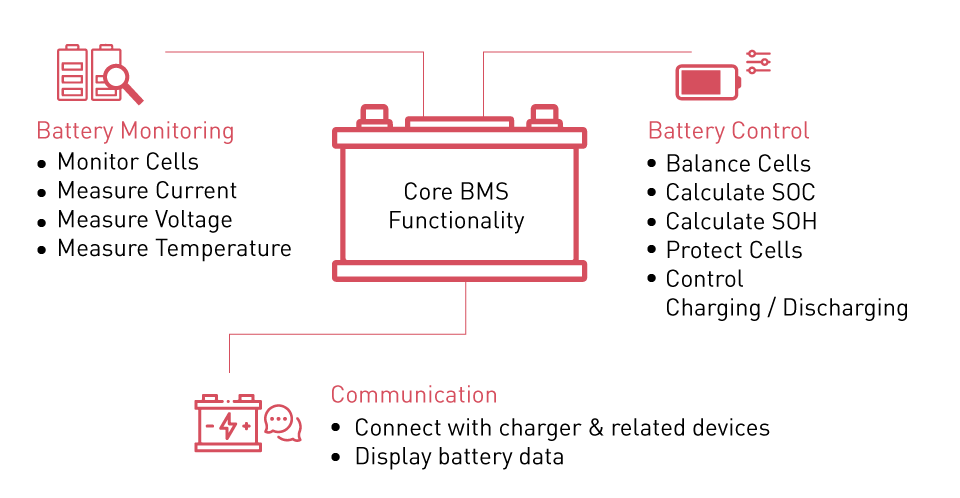
For each individual pack in the series, you need a BMS that ensures proper monitoring, balancing, and protection. In many cases, when you connect multiple packs in series, you'd also need a master BMS to monitor the entire string of packs (not just the individual pack BMSs). The BMS should balance the voltage across all connected packs. If the packs are not balanced, it can lead to issues such as uneven charging, pack damage, or safety concerns.


3. Charging Voltage:

The charger you use must be able to handle the total voltage of the entire pack configuration (the sum of the voltages of the individual packs). For example, if you have four 12V LiFePO4 battery packs connected in series, the total voltage will be 48V. So, you'd need a charger designed for a 48V system.

  • 12V LiFePO4 battery packs

4. Voltage and Current Consistency:

When connecting multiple packs in series, the voltage will add up, but the current (amp-hours) rating remains the same as one pack. However, each pack must be able to handle the total current being drawn from the entire series configuration.

  • If one pack is weaker or mismatched (in terms of capacity or voltage), it could end up being over-discharged or overcharged, damaging the pack or even creating a safety hazard.
  •  

5.Safety and Monitoring:

It’s extremely important to have overvoltage, undervoltage, and overcurrent protection in place. This ensures that no pack is pushed beyond its limits, especially when the system is in use or during charging.

...

Electric vehicle batteries are not durable, how can we make the vehicle run more than ten kilometers? Achieve these four points

For a long time, the durability of electric vehicle batteries has been a key topic for users. Many users have this question, which is how to make the vehicle run more than ten kilometers? Actually, in my opinion, only these four points need to be achieved to maximize the vehicle's range.

1. Try to control the remaining battery level to 30% to 50% for charging, and do not use it all up

Firstly, the first point is not to recharge the vehicle's battery every time you ride, as doing so for a long time can damage the battery and affect its durability. The correct approach is to try to control the remaining battery power to 30% to 50% for charging, which is more conducive to protecting the battery and extending its service life.

2. Try to maintain low-speed driving as much as possible

Secondly, for electric vehicles, many vehicles have three gears, and although the low gear is slower, it runs the most energy-efficient and has the longest range.

3. Maintain reasonable tire pressure

In addition, tire pressure can also affect the vehicle's range. For ordinary vehicles, if the tire pressure is insufficient, the resistance during driving will increase and the range will be shortened. Therefore, maintaining a reasonable tire pressure can minimize driving resistance and ensure a longer range of the vehicle.

4. Do not mix inferior chargers for charging

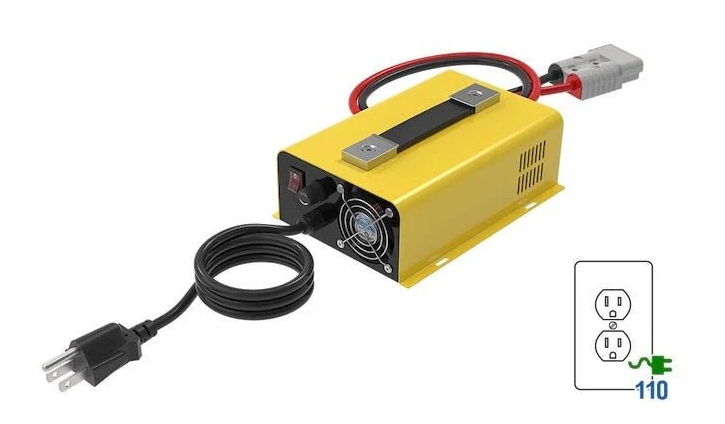
Finally, it is important not to mix chargers for charging, as mixing inferior chargers not only poses safety risks, but also results in insufficient or insufficient charging, and in severe cases, may even damage the battery. Therefore, not mixing inferior chargers for charging, and using dedicated chargers for vehicles, is beneficial for protecting the battery and extending its range.

In short, electric vehicle batteries are not durable. Under normal and fault free conditions, the above four methods can be tried. Generally speaking, they are beneficial for extending the range of electric vehicles, and it is also possible to run more than ten kilometers. However, it should be noted that choosing high-quality batteries is also necessary.

Jubao New Energy always adheres to the corporate philosophy of "technology empowers the future, quality forges excellence", and is committed to creating top-notch solutions in the field of new energy for you. We rely on our industry-leading R&D team and provide you with a full industry chain product matrix covering photovoltaic energy storage systems, intelligent charging equipment, and core components of new energy vehicles through ISO 9001 quality management system and multiple international certifications such as CE and UL. Each product undergoes 21 precision testing processes, using nano coating technology and AI intelligent control system, and exceeds industry standards by more than 15% in key indicators such as conversion efficiency, service life, and safety performance. We have also launched a full cycle butler service, from customized solution design in the early stage to intelligent operation and maintenance management in the later stage, with an average annual customer satisfaction rate of 98.7%, continuously creating green energy value for customers in more than 50 countries and regions around the world

...

Empowering the future and exploring the application of lithium batteries

Lithium batteries are a revolutionary technology in contemporary technology, playing a vital role in the development of various industries and the change of lifestyle. In this blog, we will explore the application areas and potential of lithium batteries and look forward to their empowering effect on the future.


"The Electric Vehicle Revolution: Lithium Batteries in Transportation"

In this section, we will explore the importance and application of lithium batteries in electric vehicles. We will introduce the high energy density and long life of lithium batteries and how they drive the rapid growth of the electric vehicle market and contribute to environmentally friendly travel.


"Energy Storage Evolution: Lithium Batteries in Renewable Energy"

In this section, we will focus on the application of lithium batteries in renewable energy storage. We will explore how lithium batteries can solve the problem of renewable energy volatility, stabilize the power supply system, and promote the wider application of renewable energy. In addition, we will discuss lithium battery energy storage solutions such as home energy storage systems and grid energy storage systems.


"The Heart of Smart Life: Lithium Batteries in Smart Devices"

In this section, we will introduce the application of lithium batteries in smart devices. We will explore how devices such as smartphones, smart watches, drones, etc. rely on lithium batteries to provide long-lasting power support and promote the development of smart home and Internet of Things technologies.


“Exploration of emerging fields: Application of lithium batteries in e-cigarettes, wearable devices and other industries”

In this section, we will show the application of lithium batteries in emerging fields. We will discuss how products such as e-cigarettes, wearable devices, smart glasses, etc. benefit from the advancement of lithium battery technology, provide users with a more convenient and efficient experience, and promote the development of the industry.


Summary:

As a high-performance and reliable energy solution, lithium batteries have shown broad application prospects in many fields. From electric vehicles and renewable energy storage to smart devices and emerging industries, the empowering effect of lithium batteries cannot be ignored. They are shaping our future and creating a more convenient, intelligent and sustainable lifestyle for us.

...

How do I maintain and extend the life of my low-speed vehicle battery?

Low-speed vehicles (LSVs), whether used for personal transport, short-distance travel, or golf carts, are becoming increasingly popular. These vehicles rely heavily on battery life, particularly lithium-ion batteries, for their energy storage needs. Proper maintenance and care are essential to ensure the longevity and efficiency of these batteries. In this blog, we will discuss tips on how to maintain and extend the life of your low-speed vehicle battery.


1. Charge Regularly, But Don't Overcharge

Regular charging is key to keeping your low-speed vehicle battery in good condition. However, overcharging can damage the battery and shorten its lifespan. Always follow the manufacturer’s recommended charging guidelines, and avoid charging beyond the full charge mark.


For lithium-ion batteries, it’s also a good idea to avoid draining the battery completely before recharging. Try to recharge it when it reaches around 20-30% to ensure optimal performance.


2. Store Your Battery in a Cool, Dry Place

Temperature extremes—both hot and cold—can adversely affect the battery’s performance. Excessive heat can cause the battery to degrade faster, while cold temperatures can reduce its efficiency. Store your low-speed vehicle in a cool, dry place, ideally between 50°F and 77°F (10°C to 25°C), when not in use for extended periods.


3. Use Your Low-Speed Vehicle Regularly

If you use your low-speed vehicle infrequently, the battery may lose charge over time. Even when you're not using it, it’s a good idea to drive the vehicle once every couple of weeks to keep the battery active and in top condition.


Additionally, leaving the vehicle unused for too long can lead to issues like sulfation (in lead-acid batteries) or a decrease in capacity, which can significantly reduce the battery’s performance.


4. Avoid Deep Discharge

Deep discharges can reduce the lifespan of your battery significantly. It’s best to recharge your battery before it drops too low in charge. Many low-speed vehicles feature battery level indicators to help you track charge levels, making it easier to avoid complete depletion.


5. Maintain Proper Tire Pressure and Vehicle Load

Maintaining optimal tire pressure and ensuring your low-speed vehicle is not overloaded will reduce stress on the battery. This means your vehicle will require less energy to operate, helping extend the battery’s life. Check tire pressure regularly and ensure the load is within the recommended limits.


6. Regularly Clean Battery Terminals

Clean battery terminals and connectors are essential for smooth battery operation. Dirt, grime, and corrosion can build up on the terminals, reducing the efficiency of the battery and causing it to work harder than necessary. Periodically inspect and clean the terminals using a soft brush and mild cleaning solution to ensure they remain free of debris.


7. Monitor Battery Voltage and Performance

If your battery starts to show signs of reduced performance, such as a decrease in driving range or slower charging times, it may be time for maintenance or replacement. Regularly monitor the battery’s voltage and performance to ensure it’s operating within the recommended parameters.


8. Avoid Exposure to Direct Sunlight

When parking your low-speed vehicle outdoors, avoid leaving it in direct sunlight for extended periods. The sun’s heat can cause the battery to overheat, potentially leading to damage. Parking in a shaded area or using a cover will protect both your vehicle and battery from the harmful effects of prolonged exposure to the sun.


The Role of Advanced Lithium Batteries

Maintaining your low-speed vehicle battery with the tips above will help extend its lifespan, improve performance, and keep you on the road for longer. When looking for high-quality, eco-friendly battery solutions, Hefei Jubao New Energy stands at the forefront. With a strong focus on R&D, production, sales, and service, we offer advanced lithium batteries and energy storage solutions. Our products are known for fast charging, reliability, and eco-friendliness, making them a great choice for low-speed vehicles and other applications. Choose Hefei Jubao New Energy to ensure your vehicle's battery is built for the long haul.

...

The Difference Between Lithium Iron Phosphate Battery and Lithium Battery

Lithium Batteries

The research and development of lithium batteries can be traced back to the 1970s. Early lithium batteries used materials such as lithium cobalt oxide as the positive electrode.

With the continuous advancement of technology, the types of lithium batteries have gradually increased. Lithium iron phosphate batteries were developed in later research. They have unique advantages in safety and cycle life, and have gradually become an important part of the new energy field.

1. The Difference In Chemical Composition and Principle

Lithium batteries generally use lithium metal or lithium alloy as the negative electrode material, and there are many types of positive electrode materials, such as lithium cobalt oxide (LiCoO₂), lithium manganese oxide (LiMn₂O₄), etc. Taking lithium cobalt oxide batteries as an example, during the charging and discharging process, lithium ions are intercalated and deintercalated between the positive and negative electrodes. When charging, lithium ions are removed from the positive electrode and embedded in the negative electrode through the electrolyte; the opposite is true when discharging.

The positive electrode material of lithium iron phosphate battery is lithium iron phosphate (LiFePO₄), and the negative electrode is usually graphite. During the charging and discharging process, lithium ions also move between the positive and negative electrodes. The crystal structure of lithium iron phosphate is stable, which makes the battery have good safety and stability during the charging and discharging process.

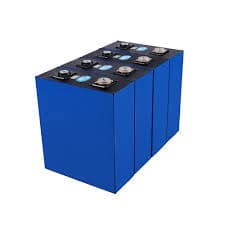
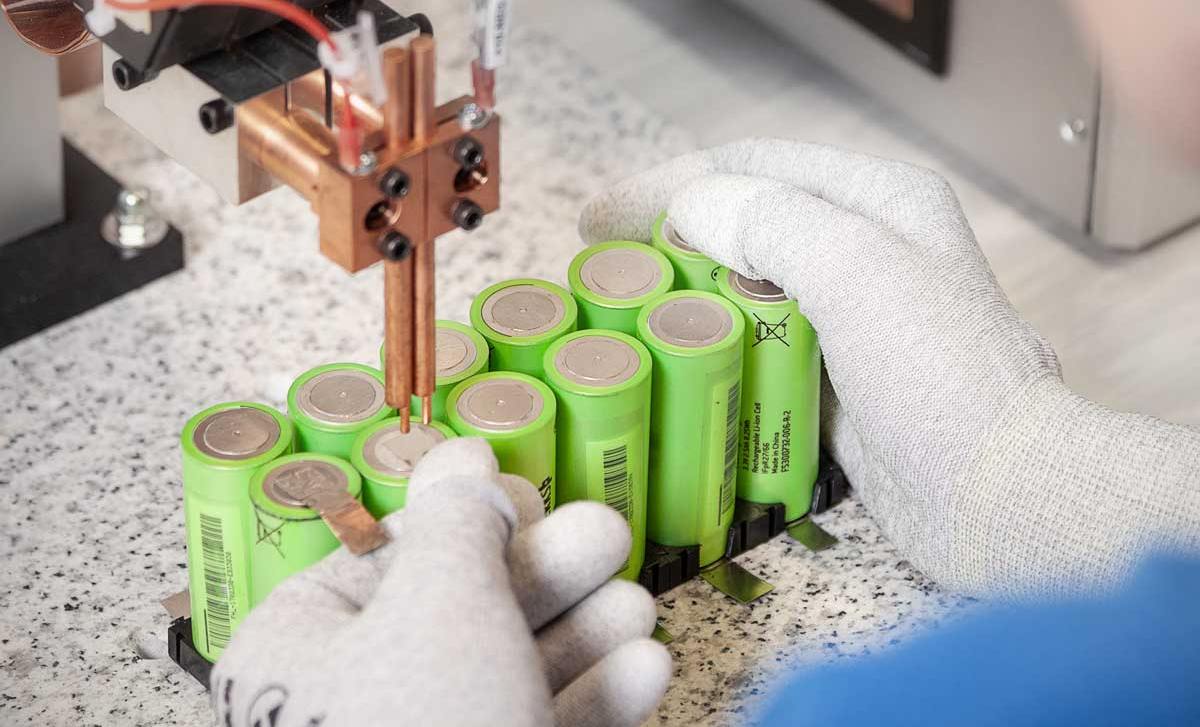
Lithium iron phosphate Battery Cell

2. Energy Density Difference

Lithium battery: The energy density is relatively high. For example, the energy density of lithium cobalt oxide battery can reach about 150-200Wh/kg. This makes lithium batteries widely used in some electronic devices with high volume and weight requirements, such as smartphones, laptops, etc., and can provide devices with longer battery life.


Lithium iron phosphate battery: The energy density is generally between 100-150Wh/kg. Although the energy density is relatively low, in some application scenarios where the energy density requirements are not particularly extreme, such as electric buses, energy storage power stations, etc., its safety and cycle life are more prominent.

3. Safety Differences

Lithium battery: Some lithium batteries, such as lithium cobalt oxide batteries, may have safety problems such as thermal runaway under conditions of overcharging and high temperature. Because lithium cobalt oxide is structurally unstable at high temperatures, it is easy to release oxygen, which can cause dangerous situations such as combustion.


Lithium iron phosphate battery: It has excellent safety. It has good thermal stability and is not easy to decompose under high temperature conditions. The crystal structure of lithium iron phosphate can effectively prevent the disordered migration of lithium ions and reduce the risk of internal short circuits in the battery. Even in extreme cases, such as puncture and extrusion, lithium iron phosphate batteries are relatively unlikely to have serious accidents such as fire and explosion.

4. Cycle Life Difference

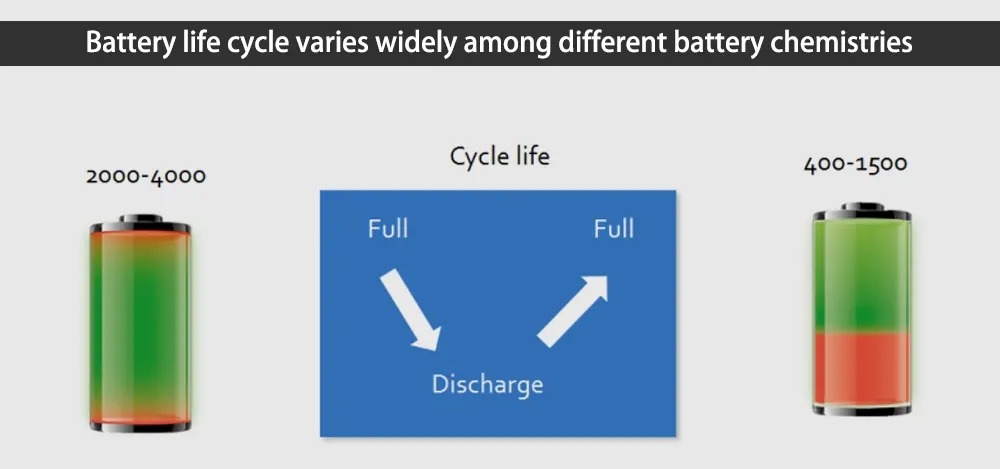
Lithium battery: The cycle life is generally around 500-1000 times, depending on the type of battery and the conditions of use. As the number of cycles increases, the battery capacity will gradually decay, affecting its performance.


Lithium iron phosphate battery: The cycle life is relatively long, reaching more than 2000 times or even higher. This makes it have great advantages in application scenarios that require long-term frequent charging and discharging, such as energy storage systems, which can reduce the frequency of battery replacement and reduce overall costs.

Battery Life Cycle

5. Charge and Discharge Performance

Lithium battery: The charging speed is relatively fast, and some lithium batteries can be fully charged in a shorter time. However, charging too quickly may have a certain impact on the battery life. In terms of discharge performance, it can meet the needs of most electronic devices and provide a relatively stable current output.


Lithium iron phosphate battery: The charging speed is relatively slow, which is one of its current shortcomings. However, in terms of discharge performance, lithium iron phosphate batteries have better large current discharge capabilities and are suitable for some applications that require instantaneous high power output, such as acceleration of electric vehicles.

6. Differences in Application

Lithium batteries are widely used in consumer electronics due to their high energy density and light weight, such as mobile phones, tablet computers, laptops, etc. At the same time, they are also used in some electric vehicles that require higher energy density, such as some of Tesla's early models that use lithium cobalt oxide batteries.

Lithium iron phosphate batteries are widely used in the field of new energy vehicles, especially in commercial vehicles such as electric buses and logistics vehicles. Their safety and long cycle life can meet the operational needs of commercial vehicles. In addition, they have also been widely used in energy storage fields such as energy storage power stations and solar street lights, providing a reliable solution for energy storage and utilization.

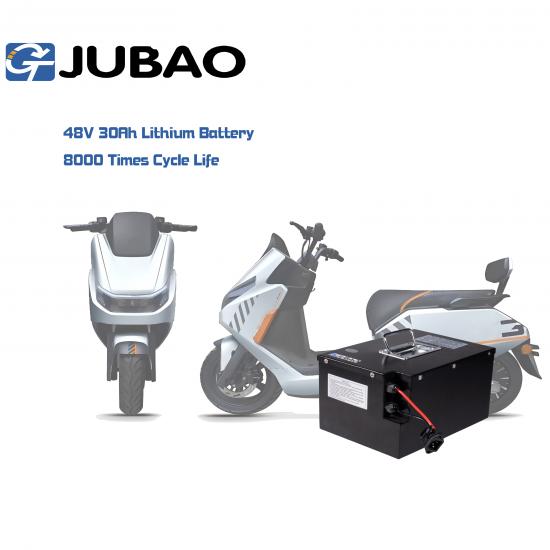
Electric Motorcycle Battery Pack

After a careful comparison between the two, there are obvious differences between lithium iron phosphate batteries and lithium batteries in terms of chemical composition, performance characteristics and application areas. They each have their own advantages and disadvantages, and play an important role in different scenarios.

...