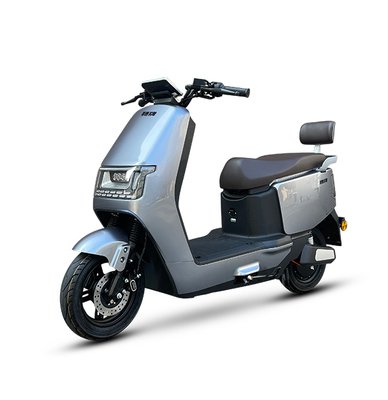
With the aging population and increasing demand for accessibility, stairlifts are becoming more common in homes and public buildings. As one of the key components of stair lifts, the performance and maintenance of stairlift lead-acid batteries directly affect the reliability and lifespan of the equipment.
1. Battery Power Needs and Operation in Stairlifts
Modern stairlifts are powered by lead-acid batteries, usually installed in the cabin (where the motor is located), which help move the lift up and down the stairs. The batteries are charged by connecting to charging points, and the charger provides low-voltage trickle charging from the main power supply to keep the batteries charged.
2. Battery Lifespan and Maintenance
The lifespan of lead-acid batteries typically ranges from 3 to 5 years, depending on usage and maintenance. It is recommended to perform an annual maintenance check to ensure the lift and batteries are working properly. Proper maintenance can extend battery life, so regular cleaning and checking of charging points and batteries is essential.
3. Common Problems and Solutions
If the battery isn’t charging, the issue may be caused by the following:
 Power Supply Issue: Check if the main power outlet is on and ensure the power supply is working.
 Charging Contact Issue: Make sure the stair lift is parked at the charging point. Check if the charging strip is clean and undamaged.
Charger or Circuit Issues: Verify that the charger and circuit are functioning properly. If needed, contact a professional for repairs.
Using the Lift During a Power Outage: If there is a power outage, the lift can still be used until the power is restored. However, to prolong battery life, limit the number of uses. A fully discharged battery won’t recharge and needs replacement. Uncharged batteries typically allow for about 8 trips up and down the stairs, depending on the model.
4. Battery Selection and Maintenance Tips
Stairlifts typically use battery 12V8Ah, 12V5Ah, 12V9Ah, 12V10Ah, or 12V12Ah lead-acid batteries. These batteries are safe, durable, and environmentally friendly. To prolong battery life, it’s recommended to have professional maintenance checks annually and regularly clean the charging strip to ensure good contact.
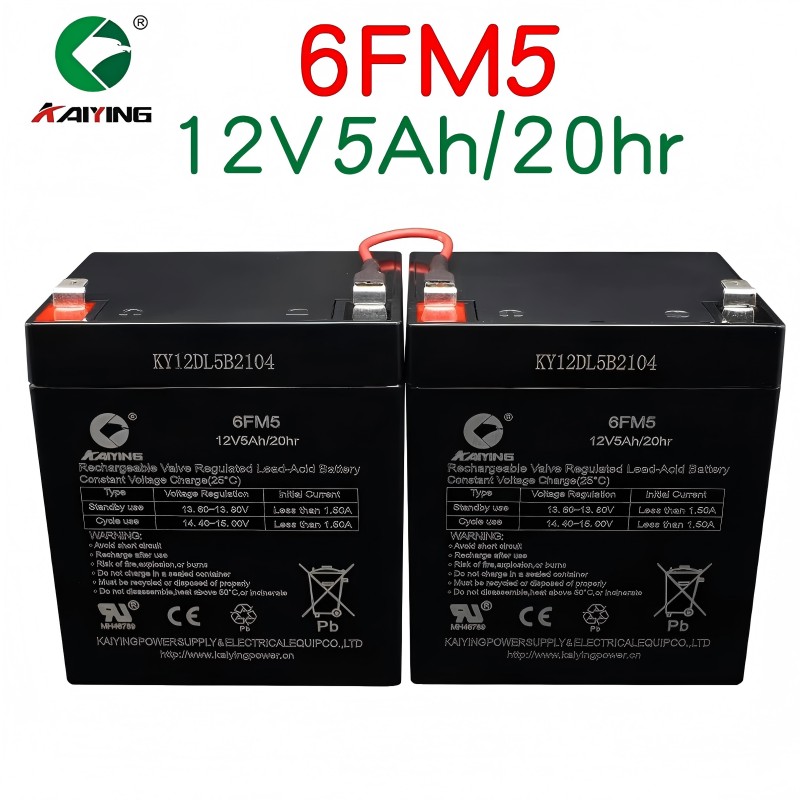
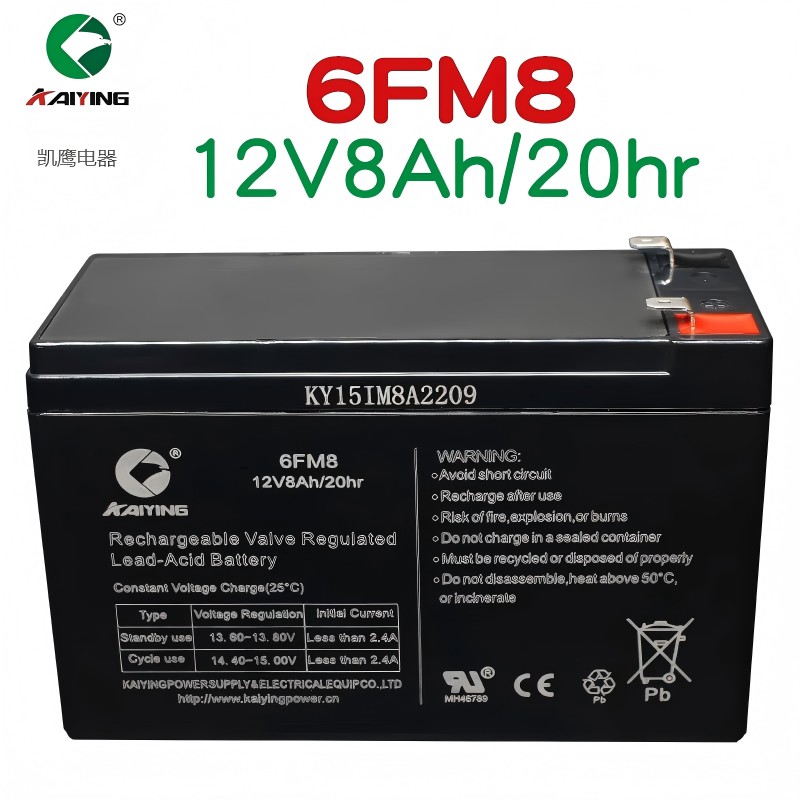
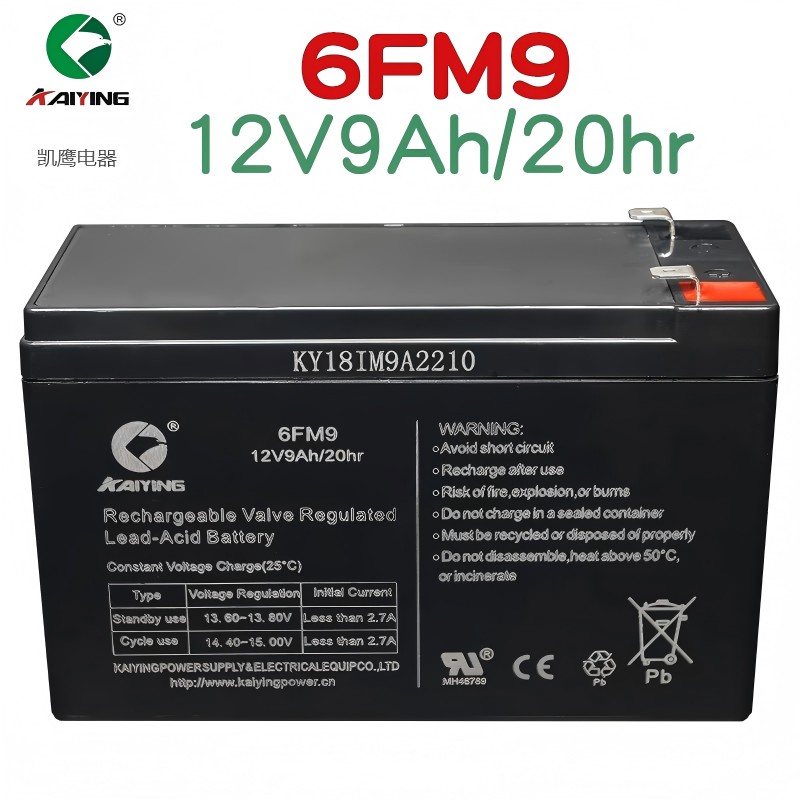
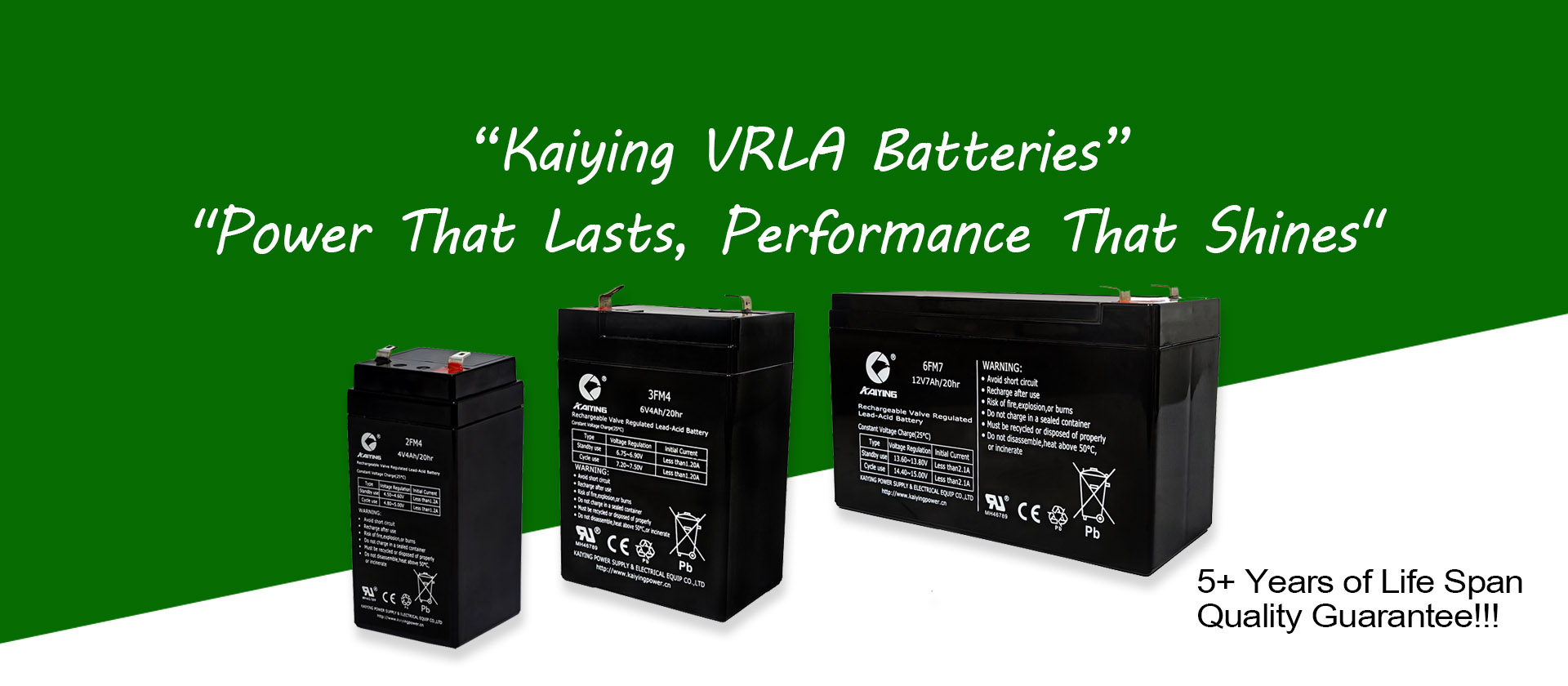
Kaiying Power specializes in producing high-quality lead-acid batteries, which are widely used in stairlifts and other accessibility devices. Our batteries are trusted for their excellent stability and performance. We are committed to providing safe, durable, and eco-friendly battery solutions to ensure the long-term, stable operation of your equipment.
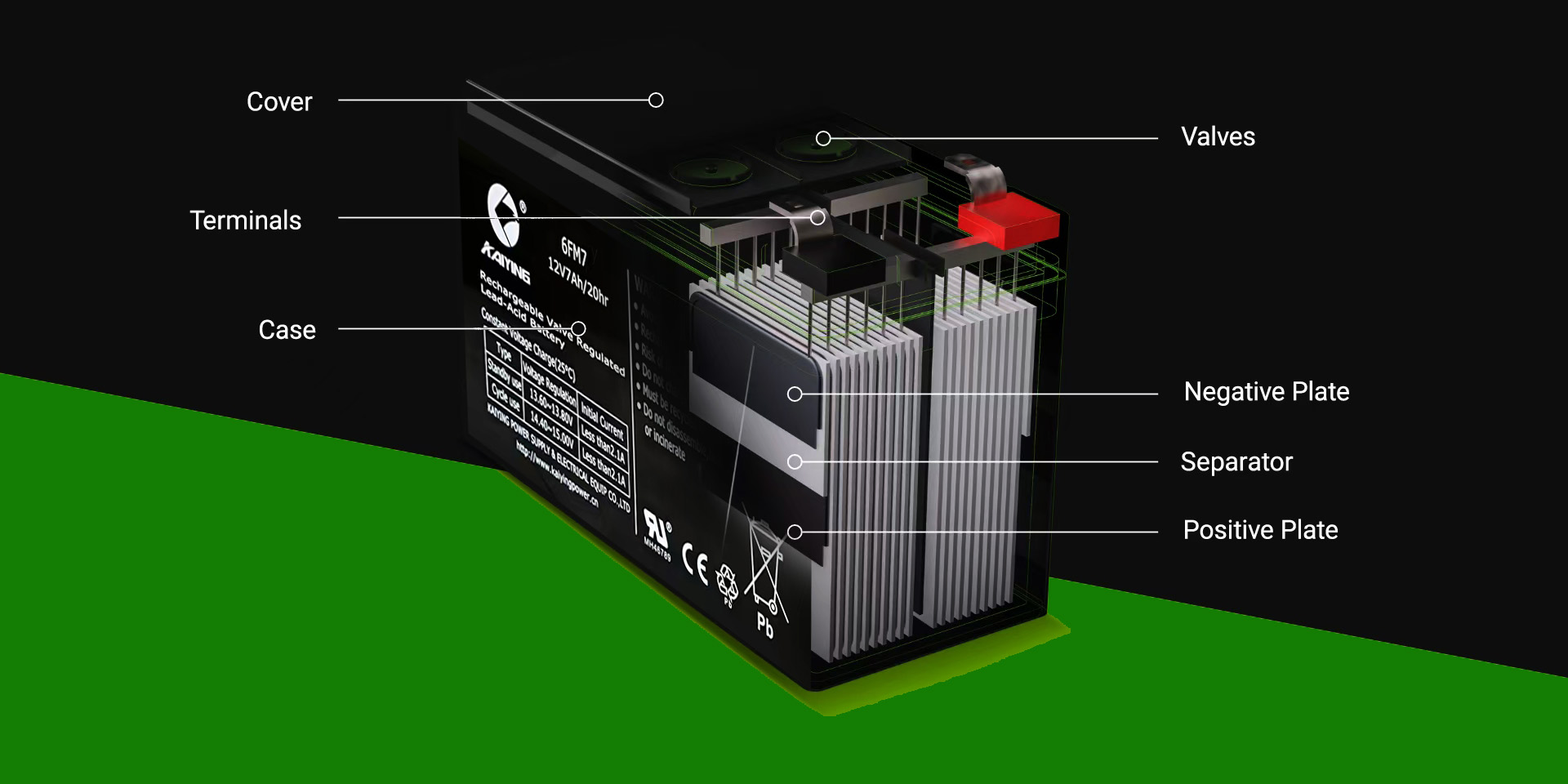
...
 Medical Equipment: Used in 65% of fixed UPS systems (e.g., ventilator backups) due to deep-discharge resilience (92% capacity retention at 80% DOD) and minimal maintenance.
  Security Systems: Dominate fire alarms and access control units, withstanding high temperatures (30% longer lifespan at 45°C) and offering rapid global delivery (72-hour turnaround).
  Kids’ Ride-On Cars: Hold 90% market share with low cost (<$7 per 12V7AH unit) and plug-and-play compatibility.
  Data Centers: AI-driven power demands favor lithium-ion BBUs (Backup Battery Units). NVIDIA’s GB300 servers now use lithium cells, with global BBU demand hitting 220 million units by 2025—60% driven by cloud giants like Microsoft and Google.
  Portable Medical Devices: Handheld ultrasound tools adopt 18650 lithium cells, cutting weight by 30% while meeting UL 1642 safety standards.
  Smart Security Cameras: Lithium batteries power wireless cameras, offering 2,000+ cycles (vs. 350 cycles for lead-acid) and cold-weather performance (-30°C operation).
  Southeast Asia: Frequent blackouts (>120 hours/year) keep lead-acid dominant (78% share), but India and Indonesia impose 15% tariffs to protect local producers.
  Europe & North America: Lithium penetration exceeds 60%, driven by EU’s CE certification (phasing out 30% of low-quality products) and Germany’s 5,000-cycle lifespan mandate for energy storage.
  China: Lead-acid demand grows 25% annually in western data centers (“East Data West Computing” project), while new energy policies push lithium adoption.
  Lead-Acid Costs: High lead prices (~$2,450/ton) favor companies with in-house smelting (e.g., Yuguang Gold Lead), while smaller recyclers struggle.
  Lithium Tech Race: Samsung SDI’s “all-pole ear” cells boost power density by 15%, and Chinese firms like Tianneng Energy supply Microsoft/NVIDIA in non-U.S. markets.
  Regulatory Hurdles: EU’s RoHS 2.0 rules (lead content ≤0.1%) force lead-acid makers to upgrade recycling tech (e.g., silver paste recovery).
  Poor Casing Quality: Counterfeit batteries have thin casings with numerous scratches.
 Inferior Silk-Screen Printing: The silk-screen printing on counterfeit batteries contains errors in text, data, and certification codes, and is often blurry. These issues not only affect the product's appearance but also indicate unstable internal quality.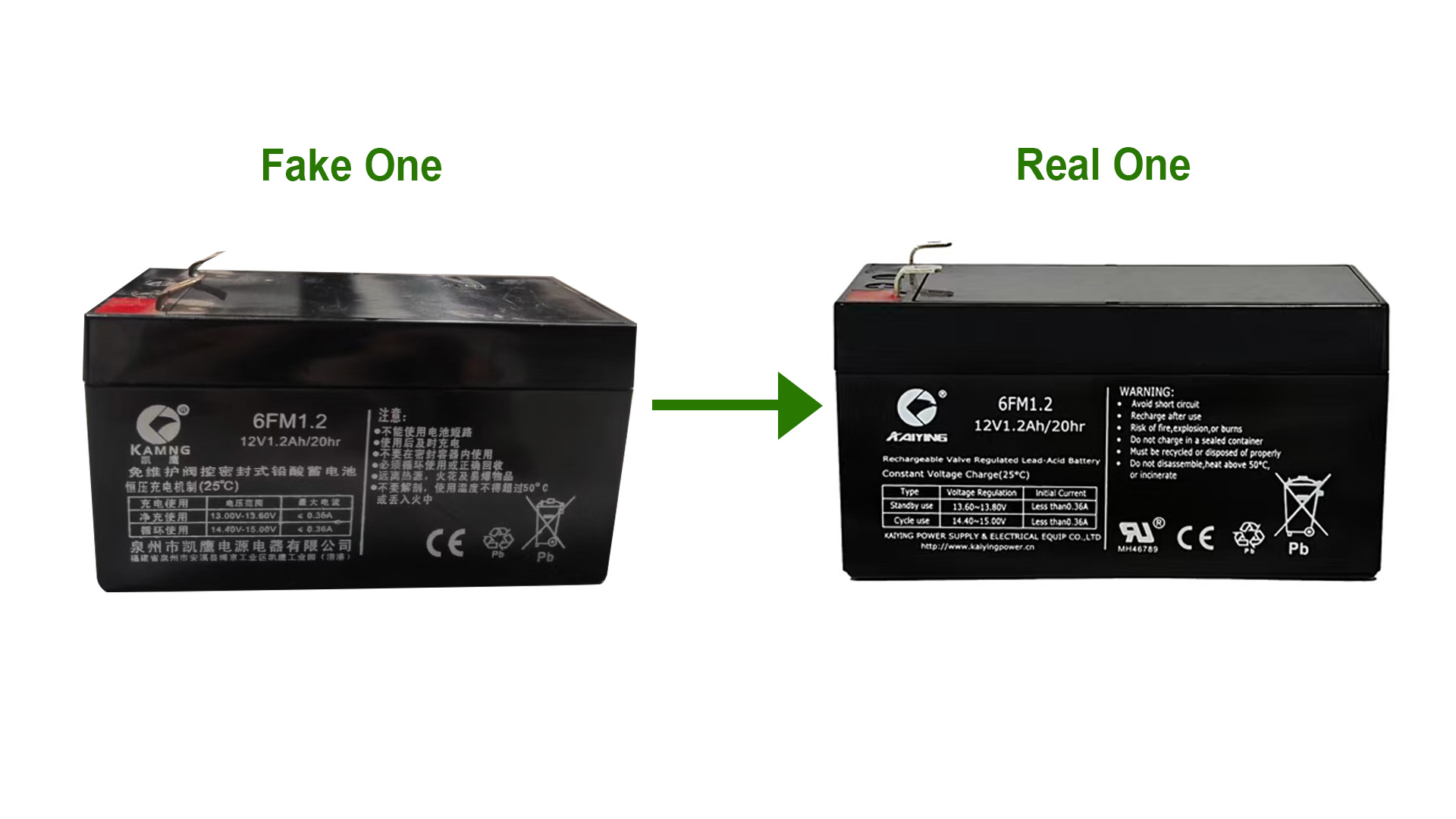
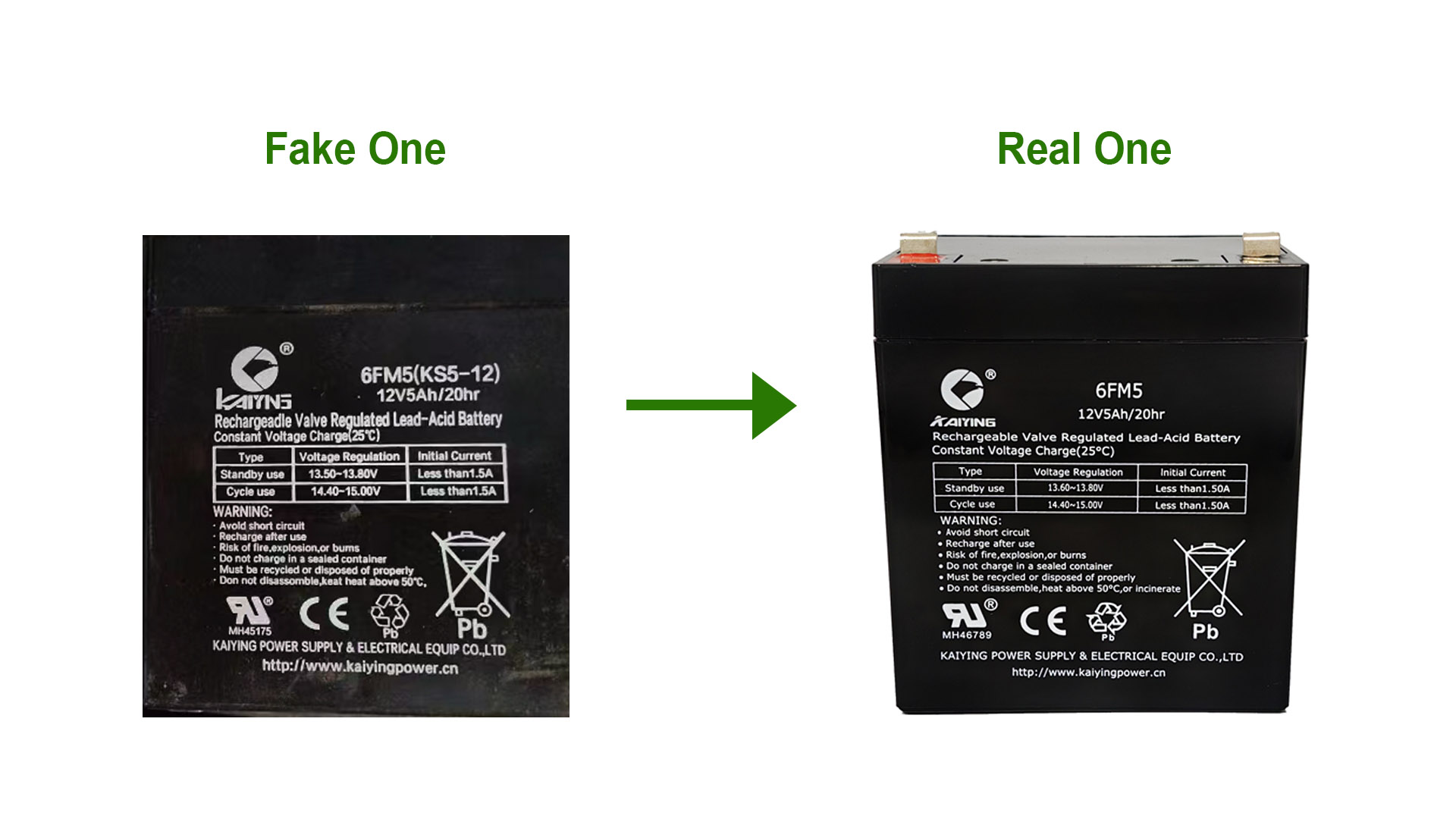
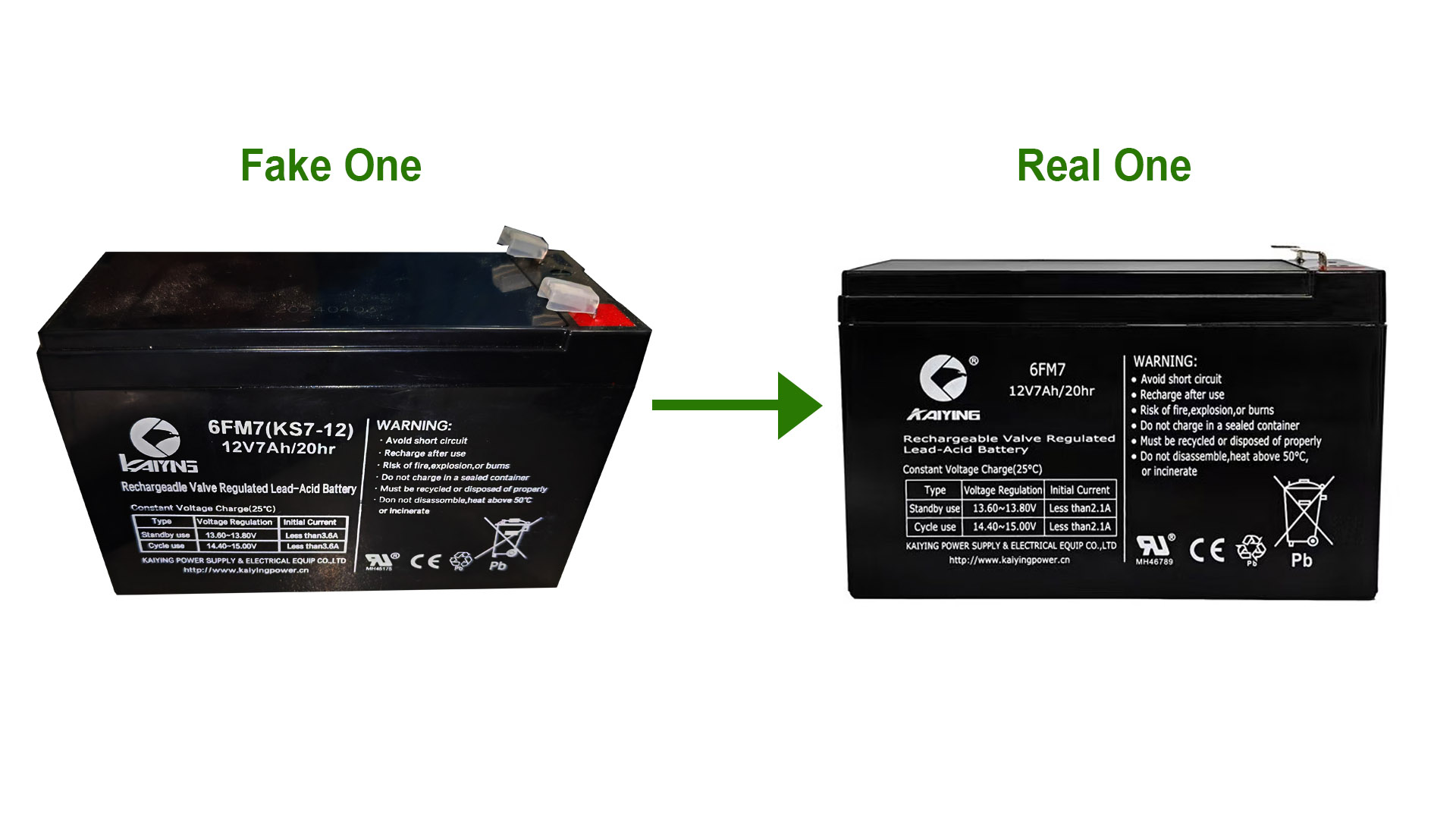
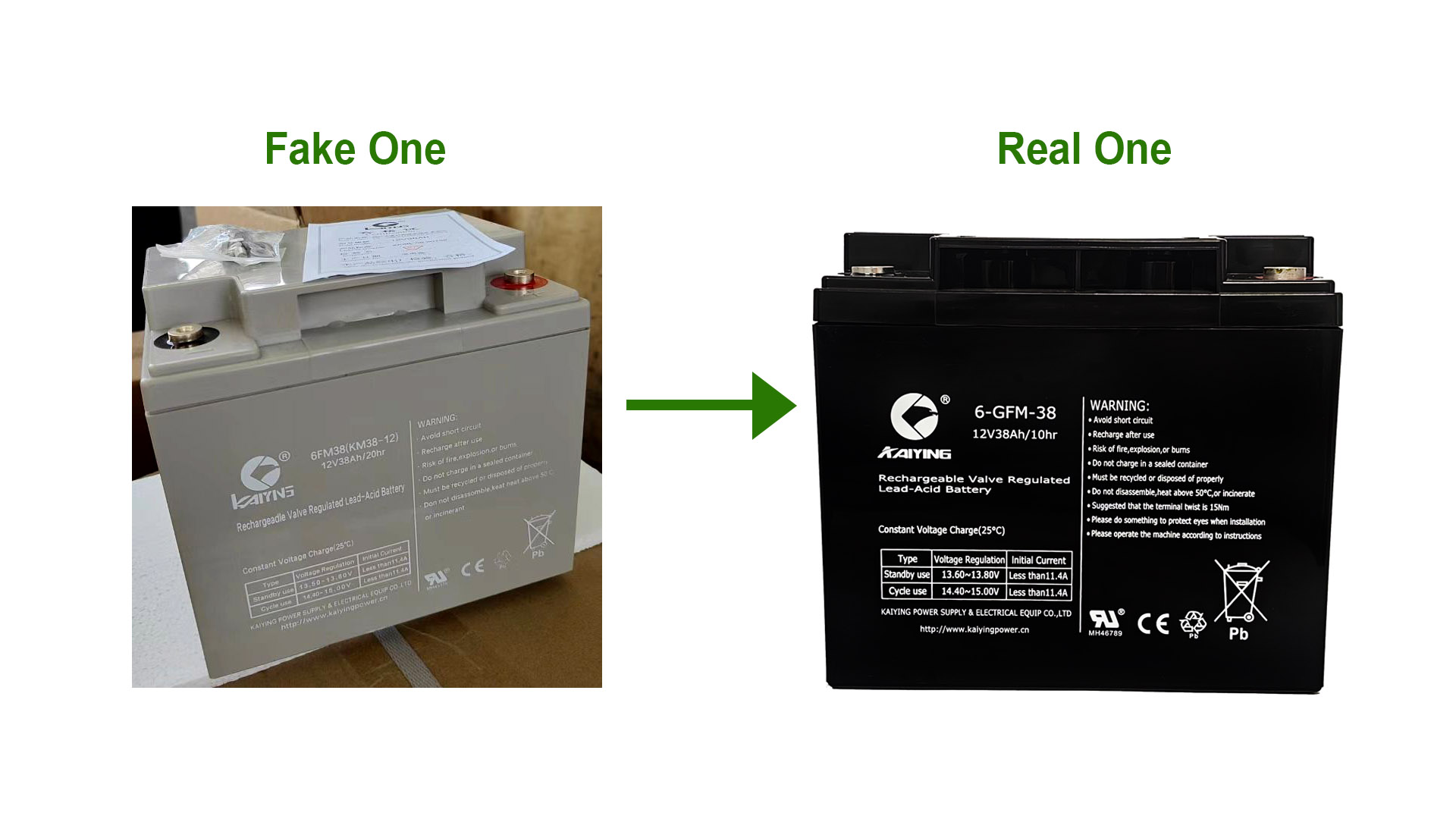
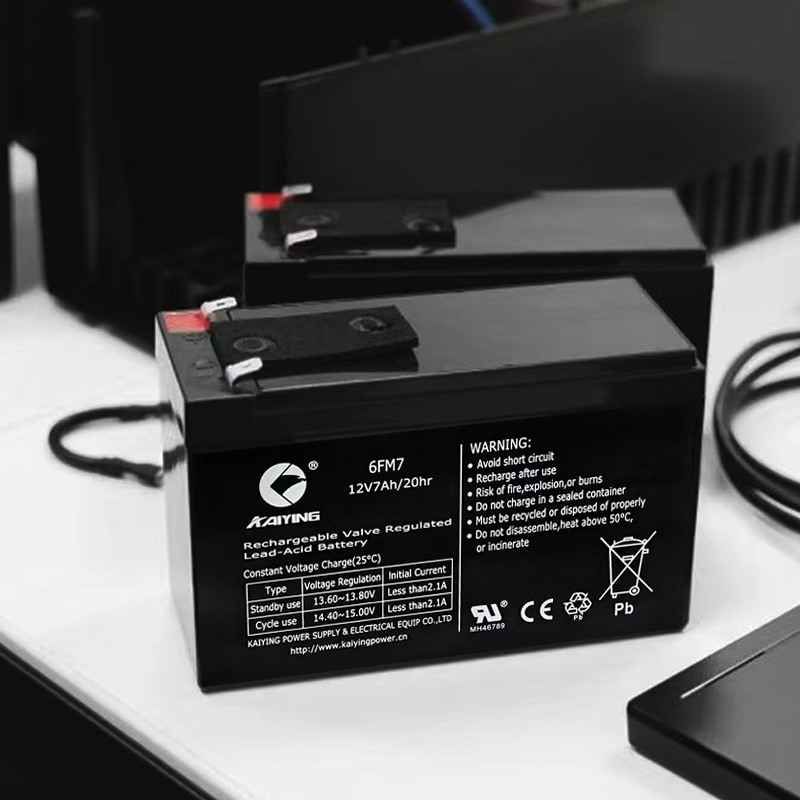


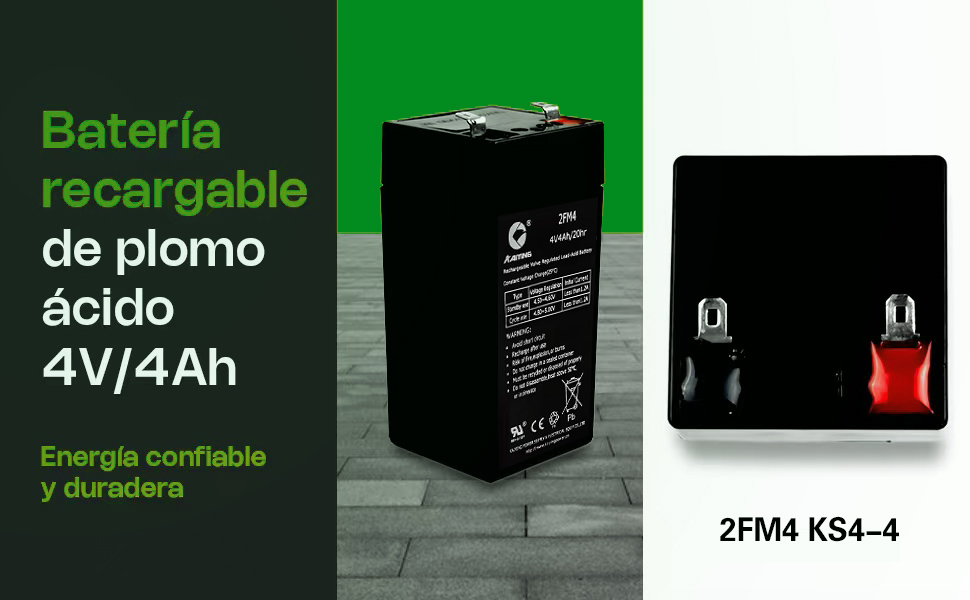
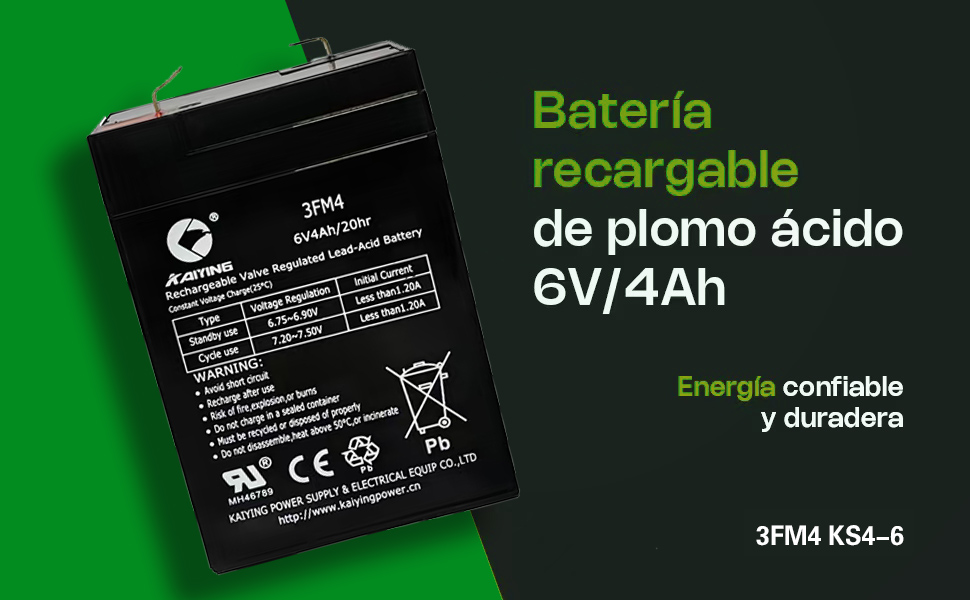
 Strict Quality Control: Fully automated production lines ensure consistency in every battery.
 Quick Response: Support for model customization and bulk delivery.