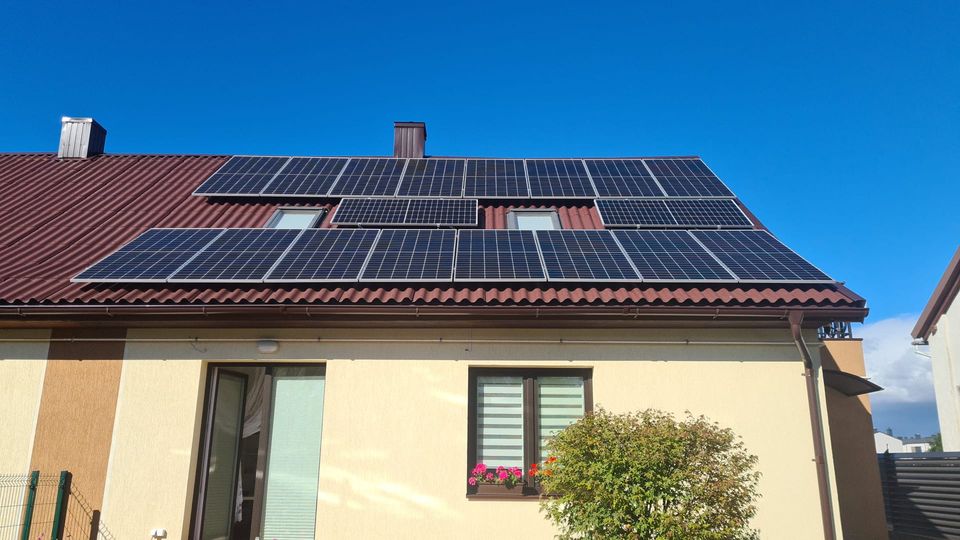
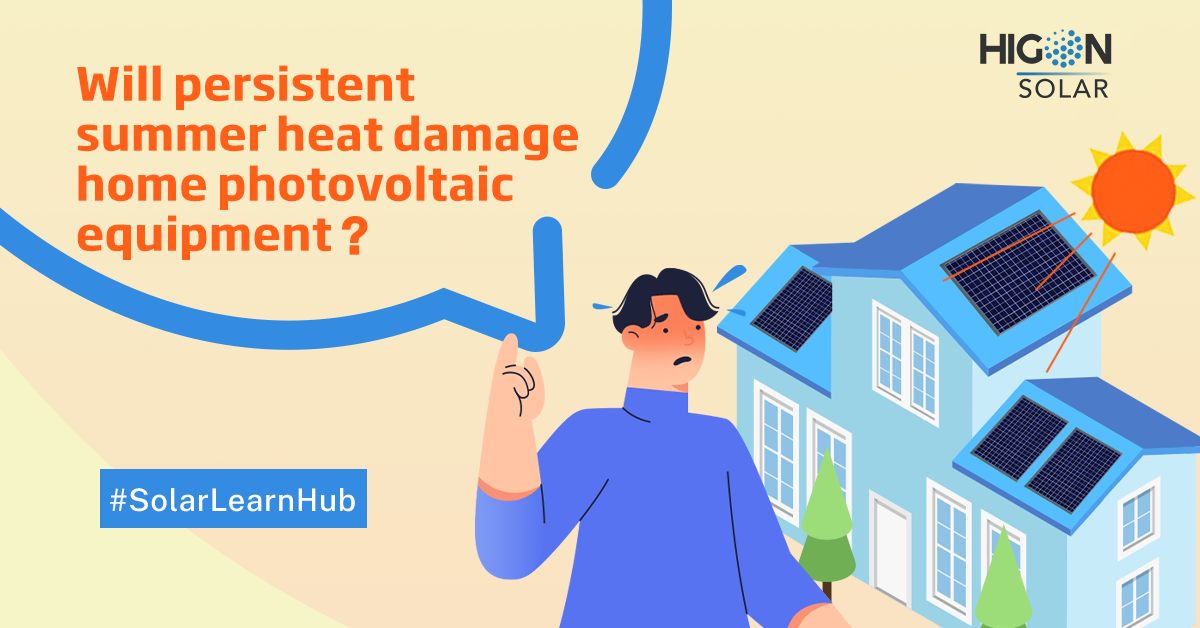
Marching towards August, the temperature remains high. While we are standing with the continuous summer heat, are you curious about the 'feelings' of your home PV equipment? Can they survive under ongoing high temperatures? Let's find out!
Since PV solar panels do not contain circulating water, they can evacuate heat from each side of the panel, so they do not bear the risk of overheating. However, high temperatures can influence the efficiency of solar panels. So, how can we test solar panels for power output? The standard practice is at 25°C.
If a panel is rated to have a temperature coefficient of -0.34% (PERC) per °C, that panel's output power will decrease by 0.34% for every degree the temperature rises above 25°C (77°F). Although that number may sound small, the surface temperature of a dark roof in summer can be significantly higher than 25°C – imagine an asphalt road surface on a hot summer day. The small percentage of output power loss for each degree of heat compound.
Choosing the right solar panels and the right solar system size, together with high-quality installation, will help reduce the effects of heat.
So, be relaxed, be prepared, and enjoy your summertime!
At this point, it's safe to assume that everyone knows the products they buy never do their advertised qualities or quantities any justice. Be it the bag of potato chips which has more air than chips or a car that just won’t touch the mileage its manufacturer claims. We're used to stuff performing below expectations and don’t mind it either.
Solar panels on the other hand, are usually excluded from such handicaps. Most consumers go into a solar purchase expecting their panels to produce as many watts as their sticker states, at least in the best of conditions.
Unfortunately, solar panels are no different from any other consumer product in this sense. In fact, don't be surprised at all if you find your panel’s output well below its rated capacity even on the brightest and sunniest of days when they are sparkling clean.
Here's why this happens.
What Can You Realistically Expect from Your Solar Panels
So, that 300 watt solar panel you've been researching probably doesn’t dishout 300 watts of power. But, just what is its realistic upper limit here? The answer depends on a few key factors.
Firstly, a solar panel's rated output is decided through rigorous laboratory testing. These tests are done in perfect conditions devoid of dust, clouds or any other pollutants with light shining directly on the panels at a perfect 90 degree angle. We've covered this in greater detail in our post on solar panel quality.
At first glance, such tests may seem deceptive since ideal conditions are rare, if not impossible. But, the objective of a solar output test is to determine the absolute power a panel can produce, which is an important figure to have.
So, how much of this power can you actually expect to harvest? Solar panels usually achieve only around 80% of their rated peak capacity, but may fall lower. A number of factors contribute to such losses.
What Causes Solar Power System Losses
Losses in usable power start to occur as the light falls on a solar panel. For the purposes of this article, we're going to ignore power loss due to environmental factors such as clouds, shade, dust, etc and focus on losses that are inherent in a solar power system due to its physical limitations. Here's a rundown of how it happens at each level:
Mismatch losses
Also known as the “mismatch effect”, power losses here are caused if solar cells in an array have different properties, resulting in inconsistent voltages. Mismatches can result in serious power losses since the entire system defaults to the output of the lowest performing solar cell.
Besides low power output, excess electricity trapped in the solar module's electric circuit is converted into heat that can further damage the solar modules. Mismatch losses can result in around 2% power loss.
Temperature loss
Solar cells perform best below 25 degrees celsius, which is also what the temperature they are tested against. The catch here is that these figures refer to the temperature of the cells and not that of ambient air surrounding the panels. So, the panels themselves can get much hotter than 25 degrees even if the ambient temperature is a cool and breezy 20 degrees.
A solar panel's power output can drop drastically as it gets hotter than 25 degrees. Power loss due to heat is measured as “Pmax”, which tells us how much a solar panel's electricity production drops per degree rise in temperature. For example, if a solar panel's Pmax is -0.45%, then that's how much electricity we lose per one degree celsius.
Temperature accounts for the majority of a solar panel's output losses and can range from 10% to as much as 25% in very hot conditions. Since mean temperature in most Australian cities can reach well over 30 degrees celsius during summer months when we have the most sunlight, the solar panels will also experience the greatest power loss here.
Light-induced degradation (LID)
LID typically occurs during the first few days after a solar installation and causes power loss due to build up of boron-oxygen compounds in the solar cell's silicon base. Some solar cells are more predisposed towards LID than others. LID accounts for 0.5% to 1.5% of power loss in photovoltaic systems.
P-type monocrystalline solar cells have higher oxygen content and are doped using boron and accept electrons, which makes them more susceptible to LID.
Multicrystalline solar cells are not as efficient as monocrystalline cells, however have less oxygen making them resistant to LID. Similarly, N-type silicon wafers are doped with chemicals that release electrons making them impervious to LID.
Cable and wiring losses
Solar panels are a collection of photovoltaic cells stacked in an array. These arrays feed into a wire that runs from the panel into the inverter. Since no wire is fully efficient, part of the power flowing through it is lost as heat.
For most solar power systems, cable related power degradation accounts for around 2% of the system's total loss, which can be brought down to 1% by using thicker wires or positioning the system such that it requires shorter wires to reach the inverter.
DC to AC Loss
Solar panels produce DC current that's unusable by household appliances. A solar inverter then converts that DC power into usable AC electricity which is fed into your home’s electrical circuit and the grid.
Since solar inverters are around 93% – 96% efficient, a portion of DC power being fed into them will be lost as heat. The exact amount of electricity lost will depend on your inverter make, and whether it’s oversized or not.
Oversized inverters (or, inverters that are rated for a higher output than the solar power system's total output) are more efficient than those that are matched to their panel's output.
Inverter Clipping
Inverter clipping happens when the DC power input from the panels is greater than its rated capacity. In such a case, the inverter “clips” or derates the overall output to match its own capacity, causing a loss in power.
How Can You Maximize Your Solar Power System's Output
The reasons for power loss we've discussed above are mostly unavoidable, because physics. However, we can also bring down such losses by designing efficient solar power systems.
For example, selecting solar panels with low or no LID potential, using sufficiently thick wires and cables, strategically sizing the inverter to mitigate clipping and positioning the solar panels such that they receive as much direct sunlight as possible can all help increase the system's output.
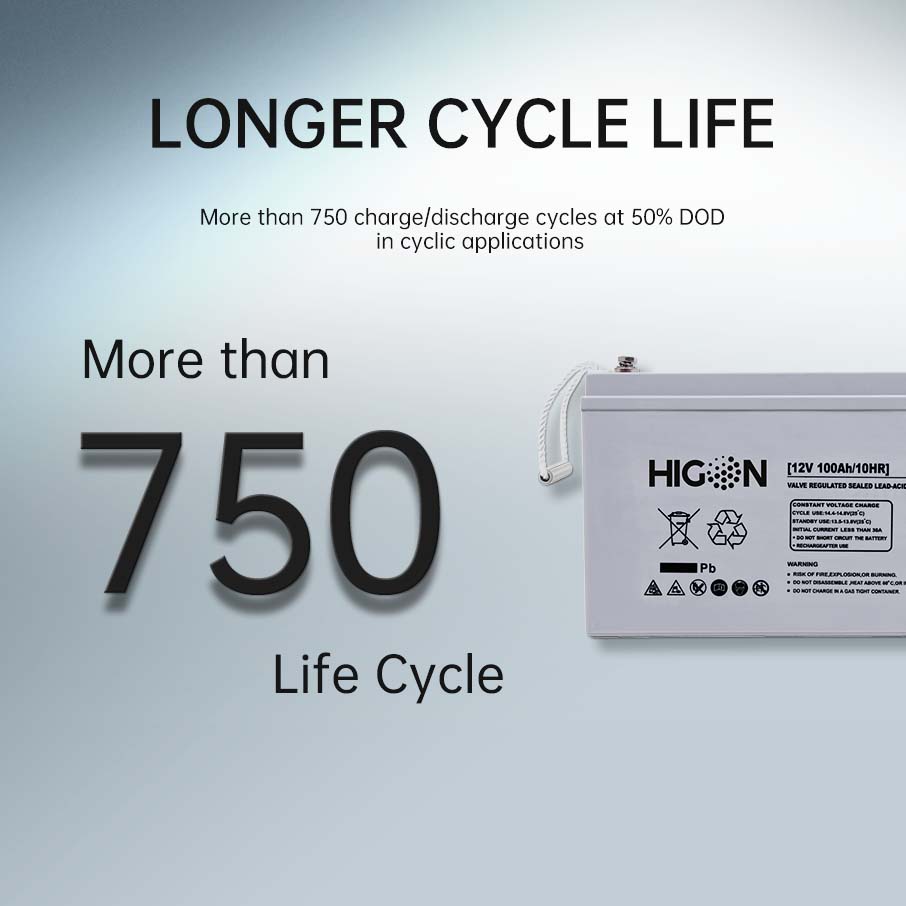
The gel battery was invented in 1957. Gel batteries are one of two sealed lead acid batteries, the other being an AGM battery. Sealed lead acid batteries are distinct from other lead acid batteries in that they are maintenance-free.
Gel batteries are a maintenance-free alternative to flooded cell deep cycle batteries. They contain a silica-based gel in which battery electrolytes are suspended, allowing electrons to flow freely between plates. The nice thing about spill-proof gel batteries is that they don't leak even if the battery case is broken. These batteries also fight against corrosion and prevent overcharging.
The combination of Gel electrolyte along with highly porous glass micro fiber separator ensure reducing short circuit, higher capacity, longer service life,leak proof operation in any position. Brava advanced GEL Lead acid batteries approved with UL1989, CE, IEC60896, IEC61427, IEC60254, IEC60079 certificates provide maintenance-free and deep cycle performance for UPS, solar/wind, telecommunications, cathodic protection, navigation aids, remote monitoring, RV/marine, golf cart, switchgear, cellular radio etc.
gel battery applications
What's a gel battery?
A gel battery is a dry battery since it doesn't use a liquid electrolyte. In a gel battery, the electrolyte is frozen with silica gel. This keeps the electrolyte inside the battery, preventing it from evaporating or spilling.
This design stabilizes the battery and gives it a low self-discharge. This is a handy feature for batteries that lie idle for long periods.
10 Advantages of a gel battery
Maintenance-free. Because the batteries are comprised of gel instead of liquid, there is little to no maintenance to keep the battery working properly.
6-year lifespan.
Better performance until its end of life then performance drops off sharply.
You can install it sideways since it's spill-proof.Gel batteries have the advantage of being able to be used in virtually any position, because they don’t leak and are generally maintenance free. This greatly increases the number of applications gel batteries can be used for.
Better heat tolerance.
No Leaks: Even though wet cell batteries are sealed in a plastic encasement there is still the chance that it will leak. Gel batteries are also sealed but with a valve that removes excess pressure. This means that between the gel substance and the removal of pressure, there is nowhere for the mixture to go.
Minimal Risk: When damage occurs to a traditional lead-acid battery you are faced with a massive and dangerous clean up (not to mention the impact on anything the battery acid may come into contact with during the process). Gel batteries will not leak out if the casing becomes damaged, so there is a reduced risk of harm coming to the equipment and clean up hazards.
Vibration Resistant: One of the biggest complaints with wet cell batteries is that they are very susceptible to extreme vibration and other impacts. Gel batteries absorb the impact and vibrations, making them great batteries for items such as four wheelers.
No Fumes: Because these batteries are comprised of a gel substance there are minimal fumes created as a result of use. This means that there is a reduced need for ventilation which increases the potential applications gel batteries can be used for, as well as making them easier to charge anywhere.
Resistant To Discharge Death: When using a wet cell battery it’s important that you don’t allow the battery to discharge too much. Otherwise, it will never recharge. Gel cell batteries aren’t that way. They are deep cycle batteries which means that they can discharge more and still be recharged like new.
Disadvantages of a gel battery
You need to store it in a charged condition although this is less critical than as for a flooded lead acid battery.
It requires some ventilation as it releases gas when pressure builds up.
Sensitive to overcharging though this is less so than AGM batteries.
AGM is cheaper and can handle higher loads.
How Does a gel battery Work?
A gel battery (often referred to as a gel cell battery) is a lead-acid battery that is valve regulated. When the electrolyte is mixed with sulphuric acid and silica, it becomes a relatively stationary gel substance.
This gel mixture allows the battery to utilize the acid and electrolyte in the same way it would with a traditional lead-acid battery, just without the added maintenance.
When should you choose a gel battery?
Gel batteries are an alternative to flooded lead acid. They're suited for a battery backup system or an off-grid home. If you don't mind the extra expense, a gel battery is a better option if you're looking into lead acid batteries. This is because you won't have to worry about maintenance.
Are gel batteries better than AGM batteries?
Absorbent Glass Mat (AGM) batteries are the other sealed lead acid battery. How do gel batteries compare to AGM batteries?
For starters, gel batteries can be more expensive. They also need specific chargers to prevent overcharging. Not using these chargers reduces the batteries lifespan.
They're also don't work as well with appliances that need a higher current because they have a higher internal resistance.
On the other hand, gel batteries have a longer lifespan. This is because:
They hold more acid because of their design.
They have a better temperature tolerance. They have improved heat transfer to the outside. The gel moves heat, whereas the absorbent glass mat of the AGM acts as an insulator.
They also maintain their performance over a longer period. AGM batteries gradually fade as they get older.
Feature
Gel batteries
AGM batteries
Cost
Expensive compared to AGM batteries
Less expensive compared to gel batteries
Charge
The battery can be ruined even if it is brand new if you make one charging mistake, like overcharging or using a tapering charger
Hold their charge well and charge quickly
Technology
Gel paste suspends the electrolyte in the battery case of a gel battery
Internally, the electrolyte is wicked into a glass matt to prevent leakage
Life expectancy
You can fully discharge gel batteries up to 90% and still get a much longer cycle life than you would with AGM batteries
Discharging your AGM battery more than 50% and up to 70% is okay, but doing so frequently will significantly shorten the battery’s cycle life
Are gel batteries better than flooded batteries?
A flooded lead acid battery is a wet battery since it uses a liquid electrolyte. Unlike a gel battery, a flooded lead acid battery needs maintenance by topping up the water in the battery every 1-3 months.
Gel batteries are the safer lead acid batteries because they release less hydrogen gas from their vent valves. This makes them safer to install where there is limited ventilation. Hydrogen release or gassing is a minor safety concern with flooded lead acid batteries.
Because of how they're made, they can be oriented in any way. They can be stacked pancake-style which may improve cycle life. Flooded lead acid batteries are kept upright to avoid acid spills.
What Is A Deep Cycle Gel Battery?
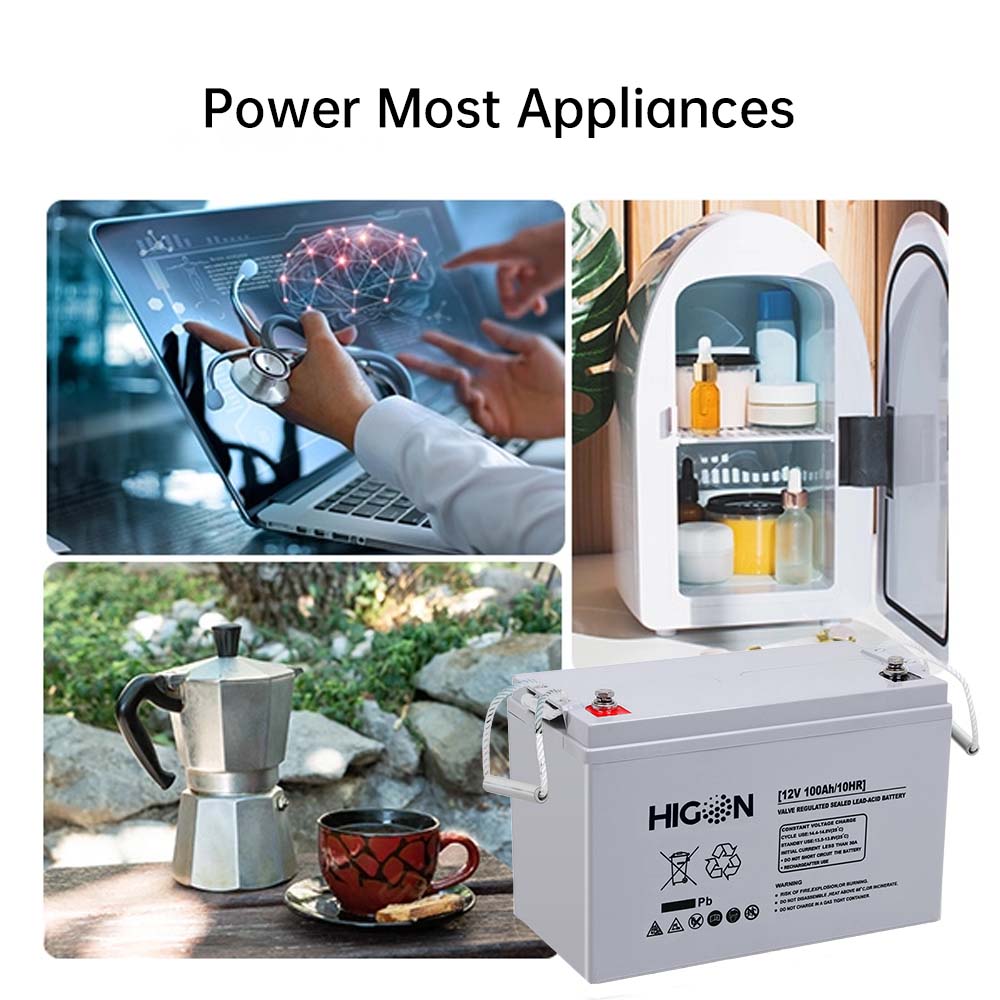
A deep cycle battery is a type of battery that can use to provide power for extended periods.
It stores more energy than conventional batteries, and it’s able to withstand the repeated charging and discharging cycles necessary in solar installations or other renewable energy systems.
Deep cycle gel batteries are among the most popular types of deep-cycle batteries on the market today because they’re designed with safety in mind while still providing high performance.
What Is The Difference Between A Deep Cycle Battery And A Gel Battery?
It is not uncommon for people to confuse deep cycle batteries and gel batteries. They are very different in many ways, but the most important distinction is that a deep cycle battery can be used regularly while a gel battery cannot.
So this is the big difference that I have shared with you between the deep cycle and gel batteries. Furthermore, the difference is;
Deep cycle batteries are made of lead-acid cells, which produce an electric current when they react with sulfuric acid and water.
A deep cycle battery is typically used in a boat or RV. It can be discharged more without damaging it than many other batteries, but it’s typically heavier and less expensive.
While A gel battery has additives that help prevent the electrolyte from leaking out of the cell when it’s overcharged.
This makes them safer to use in certain situations, like on motorcycles or scooters, often exposed to extreme temperatures.
Gel batteries also cost more than most types of lead-acid batteries, which means you’ll usually only see them in higher-end products.
Knowing this information will help you find the best type of battery for your needs!
How Long Do Deep-Cycle Gel Batteries Last?
When peoples buy an expensive battery, they want the time of lasting the batteries should extend. However, you can use deep cycle batteries for over 6 years or more if you charge properly and care about it.
It is totally up to you how you are keeping this battery to taking care of and whats your charging routine is to charge your battery.
Because, as you know, if you charge the battery over time, the battery may damage.
How Do You Revive A Dead Gel Battery?
Because gel batteries are sealed, unlike fluid-based batteries, the cells cannot access them.
The best technique to repair and recover a gel battery is fully discharged it and then slowly charge it again.
Are Gel Batteries Worth It?
Gel batteries are worthwhile since their performance is maintained throughout their lifespan. Its build custom, according to Battery University, produces a dome-shaped curve in its power output. There is no declining voltage, which is a common problem with other batteries.
Get a Gel Battery For All Your Needs
Gel batteries offer the ability to save energy for the benefit of future generations. As the supply of electricity decreases, batteries become more important to human life as the population grows.
We recommend using a gel battery because:
There will be no need to do routine maintenance.
There will be no spills, providing no considerable and hazardous risk because you will not come into contact with the acid.
Because of the low amount of corrosion, gel batteries can be used with sensitive electronic equipment.
Gel batteries are extremely durable and vibration resistant.
Because there is a reduced possibility of sulfuric acid burns, it is very safe.
The battery will last far longer than a lead-acid battery for the same amount of use because of its high lifespan.
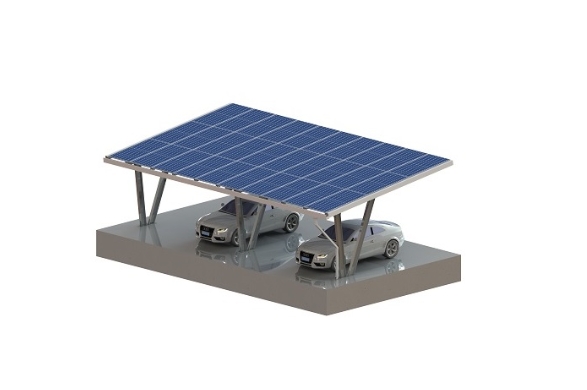
In the quest for sustainable and innovative energy solutions, Building Integrated Photovoltaics (BIPV) has gained considerable attention. BIPV systems provide the dual benefits of energy generation and integration into building structures. One remarkable application of BIPV is the development of waterproof carport systems. In this blog post, we will explore the concept of BIPV waterproof carport systems and discuss their advantages in terms of energy generation, shelter, and environmental sustainability.
A BIPV waterproof carport system refers to a structure designed to provide shelter for vehicles while incorporating photovoltaic panels to generate clean and renewable energy. These carports employ waterproof BIPV modules integrated into their roofs, offering protection against weather elements while harnessing solar energy.
2. Energy Generation and Efficiency:
One of the key advantages of a BIPV waterproof carport system is its ability to generate electricity from sunlight. The photovoltaic modules integrated into the carport roof capture solar energy and convert it into usable electricity. This renewable energy source can be utilized to power electric vehicles, offset energy consumption in adjacent buildings, or even be fed back into the grid. The integration of BIPV technology with carports maximizes the use of available space while contributing to sustainable energy production.
3. Weather Protection and Durability:
BIPV waterproof carport systems serve a dual purpose by providing weather protection for vehicles, much like traditional carports, while offering the additional benefit of energy generation. The waterproof BIPV modules used in these carports are designed to withstand rain, snow, and other environmental factors, ensuring the safety and longevity of parked vehicles. The integration of high-quality materials enhances the overall durability, making them a reliable structure for both car owners and the environment.
4. Aesthetics and Design Integration:
BIPV waterproof carport systems offer aesthetic advantages by seamlessly integrating solar panels into the parking structure. Unlike traditional solar panel installations, which are often visible on rooftops, BIPV carports provide an aesthetically pleasing and harmonious design. The ability to tailor the system's appearance to match the surrounding architecture makes BIPV carports a visually appealing addition to any property.
5. Environmental Sustainability:
By incorporating BIPV technology into carport structures, we can reduce carbon emissions and promote environmental sustainability. The use of clean, renewable solar energy reduces reliance on fossil fuels and helps combat climate change. Furthermore, BIPV waterproof carports contribute to sustainable city planning and smart infrastructure development, fostering a greener and more sustainable urban landscape.
Conclusion:
BIPV waterproof carport systems combine the advantages of energy generation, weather protection, and sustainable design integration. The integration of BIPV modules into carport roofs enables the generation of clean and renewable energy, while providing shelter for vehicles. These systems not only contribute to environmental sustainability but also offer aesthetic appeal and long-term durability. As we strive for a more sustainable future, BIPV waterproof carport systems represent an innovative approach towards maximizing the potential of solar energy and transforming our parking areas into environmentally friendly spaces.
Solar energy has emerged as a sustainable and environmentally friendly solution for meeting our growing energy demands. As the technology continues to advance, so does the need for efficient and durable solar panel installation systems. In this blog post, we will explore the significance of solar mid clampsand end clamps.
What are Solar Mid Clamps?
Solar photovoltaic mid clamps are specially designed mounting components used in solar panel installations. They are crucial for securing solar panels to the mounting rails, creating a strong and stable connection. Unlike end clamps that hold the panels at the edges, mid clamps play a vital role in securing the middle sections or rows of solar panels.
What are Solar End Clamps?
Solar photovoltaic end clamps are specially designed clamping mechanisms used to secure solar panels to the mounting structure in a PV system. These clamps are typically made of high-quality corrosion-resistant materials such as aluminum or stainless steel, ensuring durability and longevity in various environmental conditions. They come in different sizes and designs to accommodate different module frame thicknesses and mounting structures.
Benefits of Solar Mid Clamps:
Solar mid clamps bring several advantages to solar panel installations:
A. Improved Stability: By securely holding the middle sections of solar panels, mid clamps prevent excessive movement, reducing the risk of panel damage and maximizing energy generation.
B. Increased Efficiency: The proper alignment and secure attachment provided by mid clamps ensure optimal sunlight exposure for solar panels, enhancing overall energy conversion efficiency.
C. Longevity: Solar mid clamps are built to withstand harsh weather conditions, preventing panel shifting and potential damage, thereby extending the lifespan of the solar energy system.
D. Cost-Effectiveness: The use of mid clamps reduces maintenance and repair expenses by creating a sturdy and reliable installation that requires minimal adjustments over time.
Installation Best Practices:
To ensure the effective use of solar mid clamps, it is essential to follow some installation best practices:
a. Proper Positioning: The mid clamps should be correctly placed along the rail, aligning with the panel's designated mounting points.
b. Adequate Torque: Apply the manufacturer-recommended torque while tightening the mid clamps to avoid overtightening or under-tightening, which may compromise the system's integrity.
c. Regular Inspections: Periodically inspect the mid clamps to identify any signs of damage or looseness. Prompt action can prevent further issues and ensure optimal system performance.
Importance of Solar End Clamps:
A. Enhanced Stability and Safety:
Solar end clamps provide stability and prevent the solar panels from shifting or being dislodged due to external forces such as strong winds, snow loads, or vibrations. Ensuring a secure attachment is crucial to avoid potential damage to both the panels and the mounting structure, as well as maintain the safety of the surrounding area.
B. Reduced Mechanical Stress:
Solar end clamps distribute the mechanical stress evenly across the module frame, reducing the risk of cell and glass cracking. By securing the panels firmly, the clamps help minimize the impact of thermal expansion and contraction during temperature variations, maintaining the structural integrity of the PV system.
C. Electrical Safety:
Solar end clamps also play a role in maintaining electrical safety within the solar PV system. They provide an electrical grounding path, which is crucial for dissipating any potential electrical surges or faults that may occur. Properly grounded solar panels help protect the system and individuals from electrical hazards.
Conclusion:
Solar mid clampsand end clamps play a vital role in securing solar panels, offering stability, and optimizing their performance. By ensuring a secure connection and proper alignment, mid clamps and end clamps contribute to the longevity and efficiency of solar energy systems. As the demand for clean energy continues to grow, the use of high-quality mid clamps and end clamps will remain crucial in supporting the expansion and sustainability of solar power.
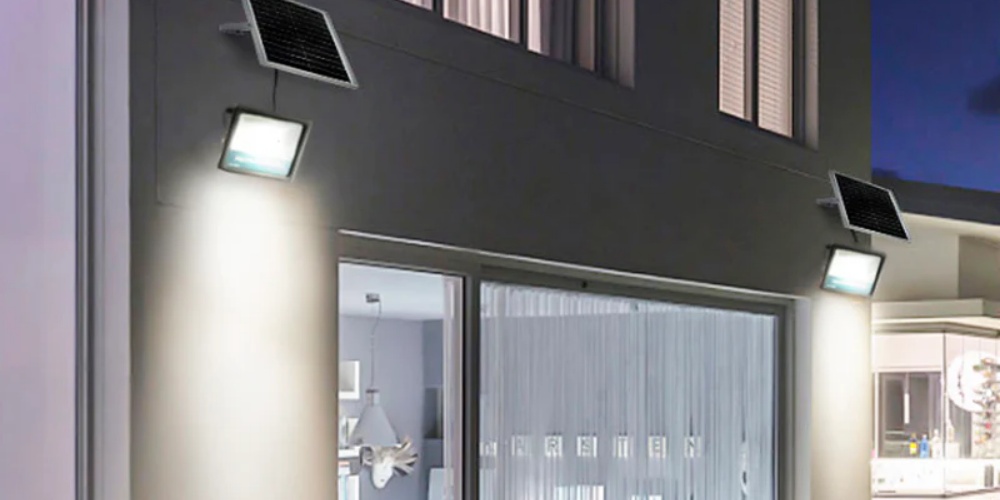
Solar flood lights are a marvel of modern engineering, incorporating cutting-edge technology to deliver reliable and eco-friendly illumination for outdoor spaces. These lights work successfully under a variety of settings thanks to a combination of advanced technologies and components that are specifically engineered to capture solar energy. Solar flood lights’ technology not only improves their functionality but also highlights how important they are becoming to sustainable energy solutions.
The photovoltaic panel is the cornerstone of solar powered flood light technology. These panels ultilize semiconductor materials, typically silicon, to convert sunlight into direct current electricity through the photovoltaic effect. Advances in PV technology have significantly increased the efficiency of these panels, enabling them to capture more solar energy even in low-light environments. This efficiency id crucial for ensuring that the solar flood lights can store sufficient energy during the day to provide consistent illumination throughout the night.
Energy storage is another critical aspect of SLD solar flood lamps technology. The electrical energy generated by the PV panels is stored in high-capacity batteries, commonly lithium-icon, known for their durability, fast charging capability, and long operational life. These batteries are designed to store enough energy to power the flood lights overnight, even during cloudy or rainy days. The inclusion of smart battery management systems further enhances the reliability of these outdoor solar lights by optimizing charging cycles and extending battery life.
The use of LED technology is integral to the energy efficiency and longevity of solar flood lights. LEDs are highly efficient, consuming less power while providing bright, consistent illumination. Their low energy consumption means that more of the stored solar energy can be used to power the lights for extended periods, making them ideal fro overnight use. Additionally, LEDs have a long lifespan and produce minimal heat, reducing energy waste and improving the overall durability of the lighting system.
Solar flood lights are also equipped with advanced control systems that add to their functionality and user convenience. These systems often include sensors that detect ambient light and motion, allowing the lights to automatically activate at dusk and deactivate at dawn or when no motion is detected. More advanced models may offer remote control and programmable settings, enabling users to customize the lighting according to their specific needs. This level of control ensures that solar flood lights are not only energy-efficient but also adaptable to various environments and user preferences.
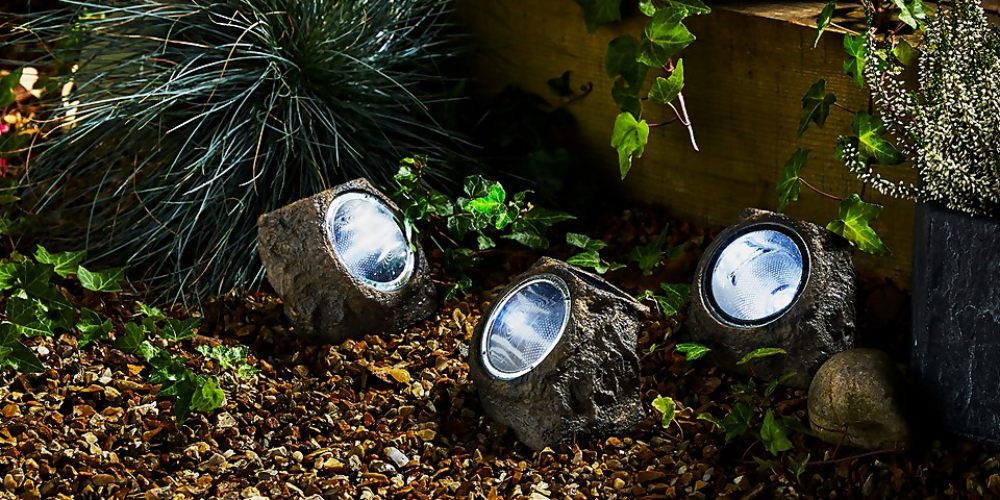
Whether you’re looking to create a magical ambiance in your garden or simply improve its nighttime safety, solar rock lights are a fantastic option. These innovative outdoor solar lighting fixtures merge functionality and aesthetics by mimicking the appearance of natural rocks while harnessing the power of the sun.
Solar rock lights operate purely on renewable energy from the sun. During the day, their built-in solar panels absorb sunlight and convert it into electricity to power the lights at night. By using solar power, you eliminate the need for traditional electricity sources, which not only saves you money in the long run but also reduces your carbon footprint. Solar rock lights are an eco-friendly alternative that allows you to enjoy a beautifully lit garden without any guilt about energy consumption.
One of the biggest advantages of solar rock lights is their simplicity. Unlike wired outdoor lights that require complicated installations and potential damage to your landscaping, solar rock lights can be effortlessly placed anywhere in your garden. SLD solar outdoor LED lights don’t require any wiring or power outlets. Simply find a spot where they can receive adequate sunlight during the day, and these solar rock lamps will automatically illuminate your garden at night. Maintenance is also minimal, as solar rock lights are generally weather-resistant and designed to withstand the elements.
Solar rock lights come in various shapes, sizes, and colors, allowing you to find the perfect fit for your garden’s aesthetics. With their rock-like appearance, these solar powered lights blend seamlessly into any garden design, giving your outdoor space a natural look. Whether you have a traditional or modern garden, solar rock lights can enhance its overall appeal and create a soothing atmosphere. You can place them along pathways, in flower beds, or around water features, illuminating the areas beautifully without disrupting the overall aesthetic.
Equipped with built-in sensors, solar rock lights automatically turn on at dusk and switch off at dawn. This intelligent feature ensures your garden is consistently illuminated when needed, providing safety and security for you and your guests. Moreover, with no energy costs, solar rock lights offer significant long-term savings.
Solar rock lights offer a myriad of benefits for enhancing your outdoor space. From their eco-friendly operation and easy installation to their versatile aesthetic and cost savings, they are an excellent choice for illuminating your garden. With these lights, you can transform your garden into a magical oasis that shines brightly while minimizing your impact on the environment. So why wait? Explore the world of SLD solar lights and let your garden sparkle with natural beauty.
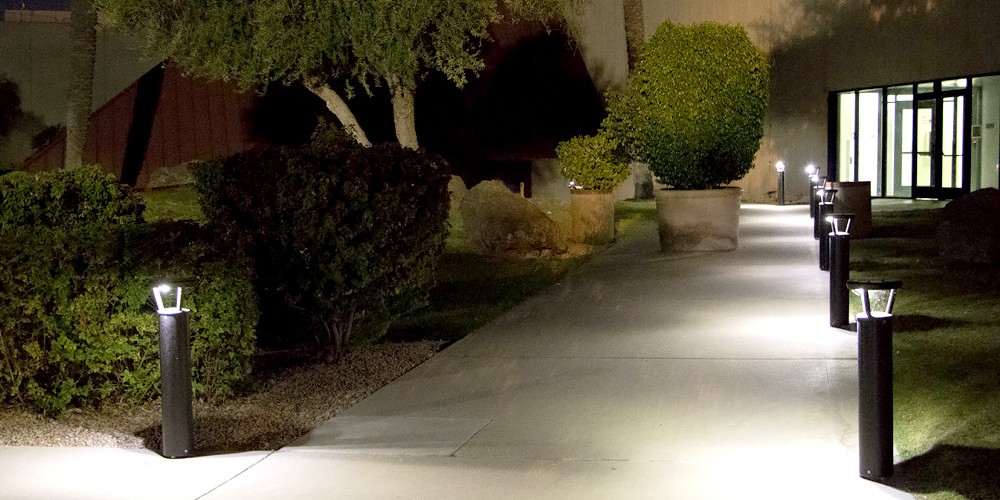
Pathways and walkways serve as important connections between various areas in residential, commercial, and public spaces. To ensure safety and enhance the aesthetics of these areas, proper lighting is crucial. Solar bollard lights have emerged as practical and sustainable lighting solutions for pathways and walkways, offering numerous benefits without the need for complicated wiring or energy sources.
Solar bollard lights are powered by the sun, harnessing its energy during the day and providing illumination at night. This eco-friendly feature significantly reduces electricity consumption and eliminates the need for costly wiring and installation of traditional lighting systems. Moreover, with no recurring electricity bills, these SLD solar powered lights are a cost-effective choice for homeowners and businesses looking to save on energy costs while contributing to a greener environment.
The design of solar bollard lamps is incredibly versatile, ranging from minimalist and modern to ornate and traditional. They can be seamlessly integrated into various landscapes, from contemporary gardens to historical sites. The placement of this solar LED light for outdoor is also flexible, allowing for strategic positioning along pathways, around pools, or as boundary markers. Their low-profile design ensures that they do not obstruct views or pathways while providing ample light for safe navigation.
One of the key advantages of solar bollard lights is their ease of installation. With no need for electrical wiring, these lights can be easily installed by simply digging a hone, placing the solar outdoor lamp in position, and securing it with the provided fixture. Maintenance is also minimal, as solar bollard lights are built to withstand various weather conditions and require only occasional cleaning to ensure optimal performance.
Beyond mere aesthetics, solar bollard lights play a crucial role in enhancing the safety and security of outdoor spaces. They provide adequate lighting to deter potential intruders and ensure that pathways are well-lit, reducing the risk of accidents. The automatic on/off feature, activated by light sensors, ensures that the lights are only on when needed, further adding to their practicality and energy efficiency.
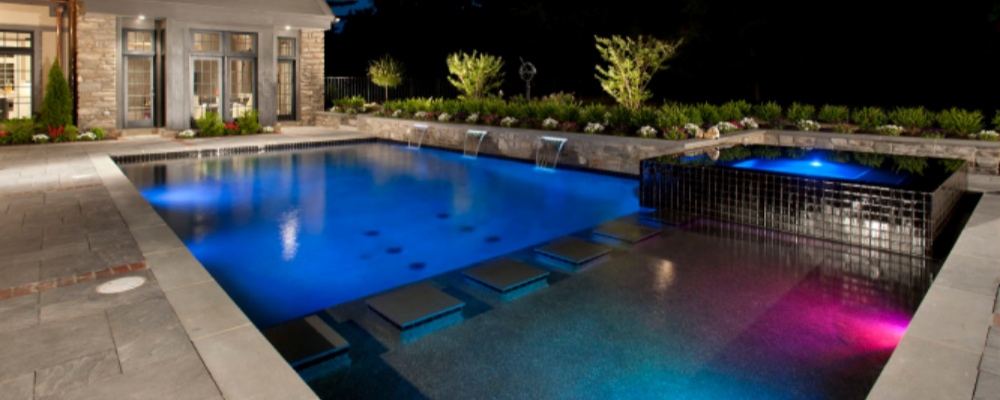
Solar pool lights are a fantastic solution for pool owners seeking to illuminate their pools at night while maintaining an eco-friendly and cost-effective approach. These outdoor solar lights harness the power of the sun during the day, storing energy to provide bright and reliable illumination after dark. With no need for electrical wiring or frequent battery replacements, solar pool lights are both convenient and sustainable, making them an excellent choice for enhancing the ambiance and safety of nighttime swims.
Unlike traditional pool lights that rely on electricity, solar LED lights are powered by photovoltaic cells that convert sunlight into electricity. This means that they have no ongoing energy costs, making them a green alternative that can significantly reduce your carbon footprint. As the global community becomes increasingly conscious of the need to conserve energy and reduce environmental impact, solar pool lights present a viable solution that aligns with these goals.
In addition to being energy-efficient, solar pool lights are incredibly easy to install and maintain. Most solar powered lamps are designed to be placed on the surface of the water or around the pool’s perimeter, requiring no complex wiring or professional installation. Once installed, these lights are virtually maintenance-free. They automatically charge during the day and switch on at dusk, providing hassle-free lighting throughout the night. Some models even come with remote controls or timers, allowing pool owners to customize their lighting preferences effortlessly.
Solar pool lights also enhance the safety and aesthetics of your pool area. Adequate lighting is crucial for preventing accidents and ensuring that swimmers can see clearly while enjoying a nighttime swim. Solar lights come in a variety of styles and colors, allowing you to create a visually appealing poolscape that matches your personal taste. Whether you prefer a soft, warm glow or vibrant, multicolored lights, there are solar options available to suit any aesthetic preference.
Moreover, solar pool lamps are a cost-effective investment in the long run. While the initial purchase price may be slightly higher than traditional lighting options, the savings on electricity bills and the minimal maintenance required make them a more economical choice over time. Additionally, because they do not require electrical connections, there is less risk of damage from water exposure or electrical faults, further reducing potential repair costs. By choosing solar pool lights, pool owners can enjoy both the financial benefits and the peace of mind that comes with a sustainable lighting solution.
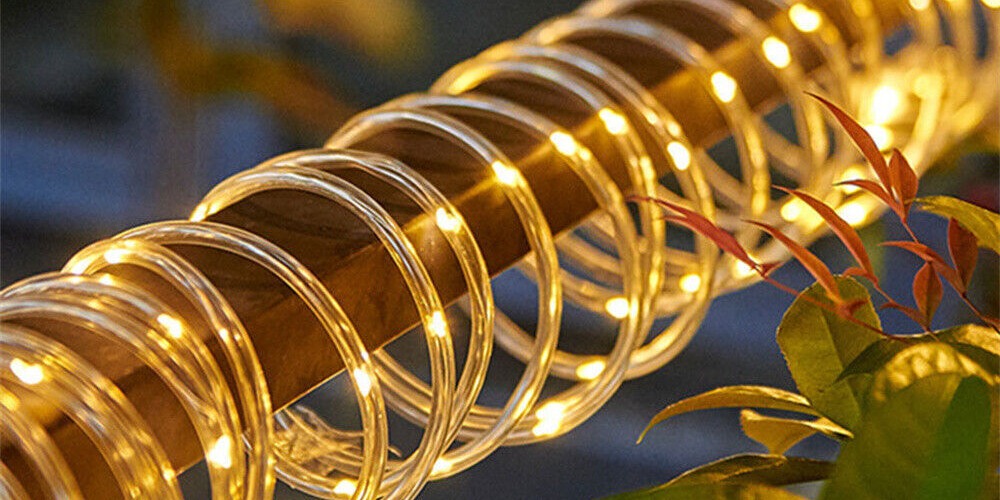
Solar rope lights have become a popular choice for outdoor decoration and illumination, blending practicality with aesthetic appeal. But how did this innovative lighting solution come to be? The development of solar rope lights is rooted in advancements in solar technology and a growing demand for eco-friendly lighting options.
Rope lights themselves emerged as a popular decorative lighting option in the 1980s and 1990s. made from a series of small LED or incandescent bulbs encased in a flexible plastic tube, these lights provided a creative and innovative way to illuminate spaces, both indoors and outdoors. They offered versatility in design, allowing users to bend and shape them according to their vision. As rope lights became widely recognized for their ease of use and captivating glow, the stage was set for the integration of solar technology.
With the advancements in solar panel efficiency and the rising popularity of rope lights, manufacturers began to explore the possibilities of combining the two. By the early 2000s, solar rope lights hit the market, providing an eco-friendly alternative to traditional electric-powered lighting. These innovative outdoor LED solar lights allowed users to enhance their outdoor spaces without the need for electrical wiring, offering a convenient and cost-effective option. The combination of solar power with the flexibility of rope lights revolutionized outdoor decoration, making beautiful lighting accessible to a broader audience.
As solar rope lights gained traction, manufacturers responded to consumer demand by developing more sophisticated designs and features. Improved battery technology allowed for longer-lasting illumination and quicker charging times, while advances in LED technology increased brightness and energy efficiency. Additionally, decorative options expanded, with various colors, lengths, and programmable features allowing users to customize their lighting experiences. This adaptability made these solar decorative lights increasingly popular for events, holidays, and everyday outdoor living.
Today, solar rope lights continue to evolve as sustainability becomes a key consideration for consumers. With a growing focus on reducing energy consumption and minimizing environmental impact, outdoor solar lighting are gaining even more traction. As technology advances further, we can expert to see even more efficiency improvements, enhanced features, and innovative designs. The future of solar rope lights promises to brighten our outdoor spaces while supporting eco-friendly practices, making them a staple in modern outdoor decorative illumination.
 . While we are standing with the continuous summer heat, are you curious about the 'feelings' of your home PV equipment? Can they survive under ongoing high temperatures? Let's find out
 !
!